 0
0
 0
0
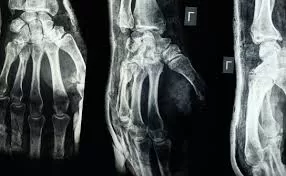
In a breakthrough that could reshape fracture treatment worldwide, Chinese researchers have developed a pioneering medical adhesive dubbed “Bone 02” that can repair broken bones in as little as three minutes. This innovative bone glue, inspired by the natural adhesive properties of oysters, promises to offer a quicker, less invasive alternative to traditional fracture fixation methods that typically rely on metal plates, screws, and lengthy surgeries. The research team from Zhejiang Province, led by Lin Xianfeng, associate chief orthopedic surgeon at Sir Run Run Shaw Hospital, revealed their findings in early September 2025, following successful applications in over 150 patients.
Key Findings and Developments
Bone 02 is a bioabsorbable adhesive designed to bond fractured and shattered bone fragments securely, even in challenging blood-rich surgical environments. The adhesive achieves a strong fixation within 180 seconds, sidestepping the need for large incisions and metal implants. Laboratory tests demonstrated remarkable bonding strength exceeding 400 pounds, shear strength near 0.5 MPa, and compressive strength of approximately 10 MPa, figures that compete closely with those of conventional steel implants. Unlike metal hardware, Bone 02 dissolves naturally within the body as the bone heals, potentially eliminating additional surgeries for implant removal.
The glue’s inspiration came from examining how oysters cling resiliently to underwater surfaces despite turbulent conditions. This biomimetic approach allowed the creation of an adhesive capable of functioning effectively in the moist, dynamic environment of a fracture site. Early patient trials reported not only robust mechanical fixation but also lower risks of tissue reactions and infections, issues that historically plagued earlier bone adhesives developed in the mid-20th century, such as those based on gelatin, epoxy resins, or acrylates, which were ultimately discarded due to poor biocompatibility.
Expert Commentary and Perspectives
Dr. Lin Xianfeng commented, “The development of Bone 02 addresses a long-standing need for a rapid, effective bone adhesive capable of working amidst blood and tissue fluids. Its bioabsorbable nature is a game changer—patients could avoid additional surgeries, and recovery times may shorten substantially.” Independent experts emphasize the potential impact but urge cautious optimism. Dr. Emily Franco, an orthopedic surgeon at a major U.S. academic medical center not involved in the study, noted, “While these early results are exciting, we need large-scale, multi-center clinical trials to confirm long-term safety and efficacy. Factors such as variability across fracture types and patient conditions need thorough evaluation.”
Context and Background
The challenge of fixing fractures has historically involved mechanical hardware like plates and screws or bone cements, which generally do not possess adhesive properties and require invasive surgical exposure. Bone adhesives promising easier, less traumatic repair have long been explored since the 1940s, but none have achieved widespread clinical success to date, primarily due to insufficient strength or biocompatibility. Bone 02’s rapid curing time, adequate mechanical strength, and bioabsorption set it apart in the evolving field of orthopedic biomaterials.
The concept of biomimicry—designing materials and technologies inspired by nature—is gaining traction in orthopedics, with this adhesive’s oyster-inspired strategy offering a notable example. Researchers worldwide are also developing other advanced bone repair materials, including 3D-printed bone scaffolds and adhesives that combine antibacterial and regenerative properties, aiming to enhance healing while minimizing complications.
Implications for Public Health and Patient Care
If Bone 02’s clinical benefits are confirmed broadly, it could transform fracture management by reducing operative times, lowering the need for complex metal hardware, and decreasing postoperative complications such as infections and implant-related discomfort. Faster fixation and bioabsorption mean patients might experience shorter hospital stays, quicker mobilization, and less need for secondary surgeries to remove hardware. This advancement could be especially valuable in trauma settings, resource-limited areas, and for patients with fractures in anatomically complex or delicate regions where traditional hardware poses challenges.
Potential Limitations and Counterarguments
It is important to recognize that while Bone 02 shows promise, long-term outcomes on bone remodeling and integration, adhesive durability in various fracture types, and performance in patients with compromised healing (e.g., osteoporosis, diabetes) remain to be fully studied. There could also be regulatory hurdles before widespread adoption, as bone adhesives must meet rigorous safety and performance standards. Furthermore, cost-effectiveness analyses compared to standard treatments will guide practical clinical use decisions.
Concluding, Bone 02 marks a significant step forward in orthopedic biomaterials, embodying a blend of nature-inspired design and cutting-edge medical technology. Continued research and peer-reviewed clinical trials will be critical to validate these findings and integrate this technology safely into fracture care protocols.
Medical Disclaimer: This article is for informational purposes only and should not be considered medical advice. Always consult with qualified healthcare professionals before making any health-related decisions or changes to your treatment plan. The information presented here is based on current research and expert opinions, which may evolve as new evidence emerges.
References: