 0
0
 0
0
August 12, 2025 – Beijing
In a watershed moment for genetic science, a team of Chinese researchers has unveiled a revolutionary genome editing technology poised to transform the landscape of both agriculture and medicine. The innovation, led by Professor GAO Caixia at the Institute of Genetics and Developmental Biology under the Chinese Academy of Sciences, was published recently in the prestigious journal Cell.
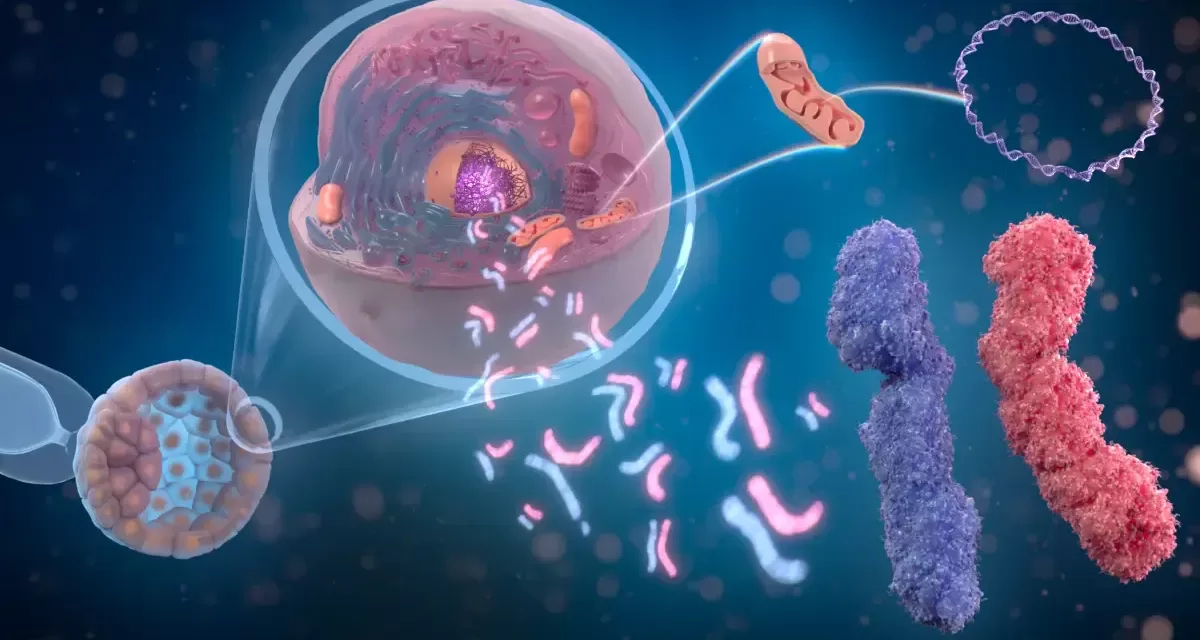
Their new platforms, dubbed Programmable Chromosome Engineering (PCE) and RePCE systems, enable precise editing of DNA fragments ranging from thousands to millions of base pairs in both plant and animal cells. This leap allows scientists to move beyond small-scale gene tweaks and deliver major structural changes at the chromosomal level.
Overcoming Long-Standing Barriers
The team’s achievement addresses decades-old hurdles associated with the widely-used Cre-Lox recombinase system. Until now, researchers have contended with issues such as reversible recombination—which could negate edits—complex enzyme structures that limited efficiency, and unwanted DNA “scars” that reduced precision in editing.
The breakthrough came via three major innovations:
-
Asymmetric Lox Sites: Designed to reduce unintended recombination by more than tenfold while maintaining effectiveness.
-
AI-Optimized Enzyme: An artificial intelligence-driven redesign of Cre recombinase, yielding a 3.5-fold boost in recombination efficiency.
-
Scarless Editing: Introduction of a so-called Re-pegRNA method, which cleans up residual DNA sites, restoring the genome to its original state post-edit.
Demonstrating Massive Potential
Laboratory tests showcased the technology’s unprecedented precision and scale. The team successfully inserted DNA fragments up to 18.8 kilobases, replaced 5-kilobase segments, conducted chromosomal inversions spanning up to 12 megabases, deleted segments as large as 4 megabases, and even managed chromosome translocation. As a practical demonstration, they engineered herbicide-resistant rice by inverting a 315-kilobase chromosome segment—showcasing the immediate potential for crop improvement.
Expert Opinions and Future Promise
Professor Yin Hao, a prominent gene editing researcher at Wuhan University not involved in the project, described the achievement as “very significant progress,” underscoring its potential to lay the groundwork for future advances in both biomedicine and agriculture.
Unlike the current gold-standard CRISPR technology—which excels at precise single-gene edits but is limited in scale—the PCE system opens new doors for chromosome-level engineering. This capability could rapidly advance climate-resilient crops and fuel novel treatments for complex genetic diseases. Further applications include the development of artificial chromosomes, a field at the intersection of synthetic biology and future therapeutics.
Looking Forward
As gene editing surges to the forefront of medical and agricultural innovation, this Chinese breakthrough may soon underpin a new generation of therapies and food security solutions. Scientists worldwide are closely watching as this technology moves from the lab to real-world impact.
Disclaimer: This article is for informational purposes only and does not constitute medical advice. Readers should consult qualified healthcare professionals for any questions related to genetic diseases or therapies.
Reference: Cell, August 4, 2025, Chinese Academy of Sciences announcement