 0
0
 0
0
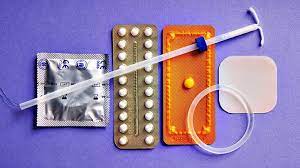
Beijing, January 3, 2026 – China has ended a three-decade tax exemption on contraceptives, imposing a 13% value-added tax (VAT) on condoms, birth control pills, and related devices effective January 1, 2026, as part of desperate measures to combat plunging birth rates amid a deepening population crisis. This policy reversal, embedded in a revised VAT law, signals Beijing’s shift from population control to aggressive pronatalism, while simultaneously exempting childcare, eldercare, and marriage services from VAT to ease family burdens. Critics argue the move risks public health by raising costs for low-income groups, unlikely to sway young couples deterred by soaring child-rearing expenses.
Demographic Crisis Context
China’s population shrank for the third straight year in 2024, with only 9.54 million births—half the 18.8 million recorded nearly a decade earlier—leaving the fertility rate at around 1.0, far below the 2.1 replacement level. The legacy of the 1979-2015 one-child policy exacerbated urbanization, high education costs, job insecurity, and gender imbalances, propelling those over 60 to over 20% of the population, projected to reach 50% by 2100. United Nations forecasts warn of a 204 million population drop by 2054, threatening economic growth, pensions, and workforce stability.
Policy Details and Incentives
The VAT change treats contraceptives as standard consumer goods, ending 1993 exemptions from the one-child era, while carving out breaks for nurseries, kindergartens, disability services, and wedding-related offerings. Complementary measures include annual subsidies of 3,600 yuan ($500) per child under three, extended parental leave, free preschool pilots, and full childbirth cost coverage pledges. Beijing aims to foster “positive marriage and childbearing attitudes,” as reiterated at the Central Economic Work Conference.
Expert Commentary
Demographer Yi Fuxian of the University of Wisconsin-Madison calls the tax “symbolic,” stating it overestimates impact on birth rates and prioritizes revenue over real change, as prior incentives failed to reverse trends. He Yafu from the Yuwa Population Research Institute views it as fostering a pro-birth atmosphere to curb abortions, though practical effects remain minimal. Yun Zhou, sociology assistant professor at the University of Michigan, warns disadvantaged women bear the brunt, facing unintended pregnancies and infections without affordable options.
Public Health Implications
Raising contraceptive prices could spike unintended pregnancies, abortions, and sexually transmitted infections like HIV, especially among youth and low-income users already facing high child costs—averaging 538,000 yuan ($75,000) to age 18. While symbolic of policy pivots, experts like those from RAND Corporation emphasize addressing economic barriers over normative shifts, as unfulfilled desires for children stem from childcare and housing woes. No evidence suggests taxes alone boost fertility; similar global efforts falter without gender equity and support.
Effectiveness Doubts and Broader Challenges
Past incentives—cash payouts up to 100,000 yuan in places like Hohhot, housing subsidies, and “love education” in universities—yielded negligible gains, as young Chinese cite career penalties, unequal burdens, and economic slowdown. Fertility slightly rose in 2024 due to Dragon Year auspiciousness and pandemic delays, but plummeted thereafter. Critics on Weibo mock: “Can’t afford condoms, how to raise kids?” highlighting disconnect. Policymakers must tackle root issues like workplace bias and costs for meaningful impact.
Global Lessons and Future Outlook
Other low-fertility nations like South Korea and Japan offer subsidies and leave but struggle similarly, underscoring cultural shifts beyond fiscal tweaks. For Chinese families, this means weighing pricier prevention against incentives, but experts predict limited uptake without bolder reforms. Beijing’s urgency reflects stakes: a shrinking workforce undermines manufacturing dominance and debt reduction.
Medical Disclaimer: This article is for informational purposes only and should not be considered medical advice. Always consult with qualified healthcare professionals before making any health-related decisions or changes to your treatment plan. The information presented here is based on current research and expert opinions, which may evolve as new evidence emerges.
References
-
Reuters. “China taxes condoms, contraceptive drugs in bid to spur birth rate.” January 2, 2026. https://www.reuters.com/business/healthcare-pharmaceuticals/china-taxes-condoms-contraceptive-drugs-bid-spur-birth-rate-2026-01-02/reuters