 0
0
 0
0
Over 3,100 Cases Recorded in Guangdong Province
China is battling its most severe chikungunya outbreak since the mosquito-borne virus was first detected in the country nearly two decades ago. More than 3,100 cases were reported in July 2025 alone in Foshan city, Guangdong province, according to state media. This sharp spike marks the largest public health challenge from chikungunya that China has faced since its initial imported case in 2008.
What Is Chikungunya?
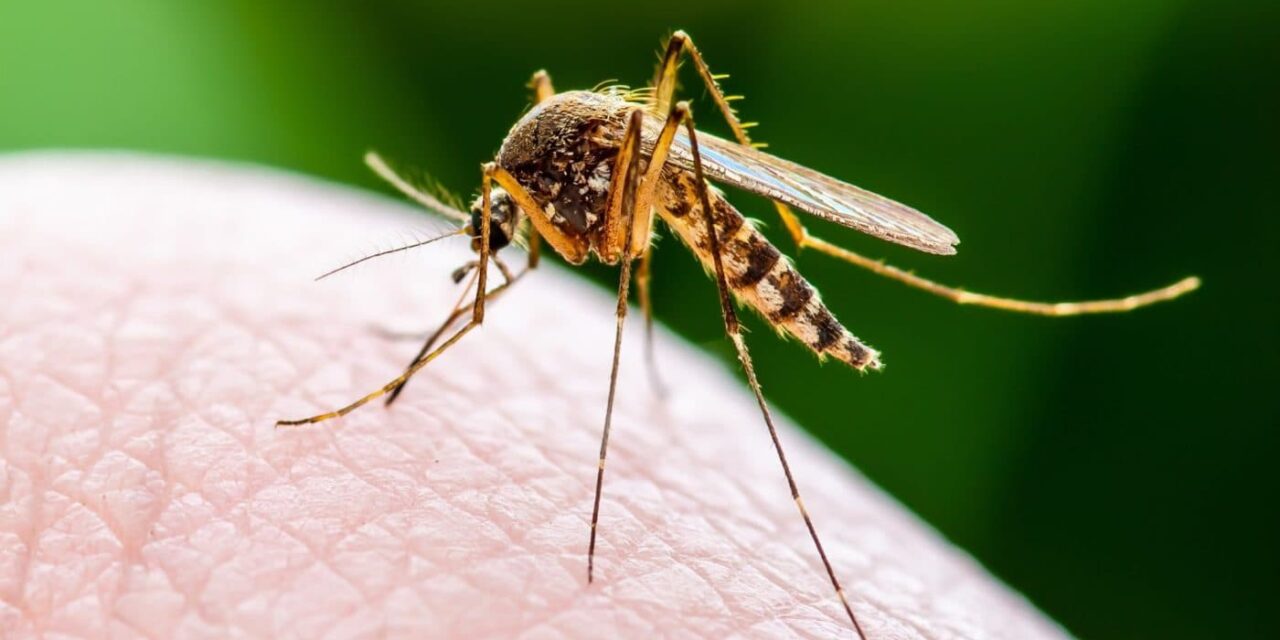
Chikungunya is a viral disease primarily transmitted to humans through the bite of infected Aedes mosquitoes—the same breed responsible for spreading dengue and Zika viruses. The World Health Organization (WHO) explains that chikungunya typically causes a sudden onset of high fever and severe joint pain. Other common symptoms include:
-
Headaches
-
Muscle pain
-
Vomiting
-
Extreme fatigue
Joint pain, the hallmark of chikungunya, can sometimes linger for weeks or even months, impacting the daily lives of those affected.
Why the Sudden Surge?
Chinese health authorities have yet to provide an official explanation for the sudden surge in chikungunya cases. However, disease experts point to a combination of climate-driven and social factors:
-
Favorable weather: Southern China’s hot and humid conditions have become ideal breeding grounds for Aedes mosquitoes, especially during the rainy season.
-
Low population immunity: With relatively few previous outbreaks, most residents have not been exposed to the virus and thus lack immunity.
-
Climate change: Changing weather patterns are making it easier for the mosquitoes to thrive throughout increasingly longer seasons.
Robert Jones, Assistant Professor at the London School of Hygiene and Tropical Medicine, noted, “These mosquitoes thrive in warm, wet weather and are aggressive daytime biters.” Local governments have launched urgent anti-mosquito campaigns, urging residents to remove stagnant water from flower pots and containers to stem the outbreak.
Global Chikungunya Alarm
China’s outbreak is part of a broader global pattern. According to the European Centre for Disease Prevention and Control, over 220,000 chikungunya cases and 80 deaths have occurred across 14 countries in 2025. Even France and Italy—countries far from tropical zones—have reported locally transmitted cases, highlighting how climate change and increased travel are expanding the virus’s reach. The WHO recently warned that more than five billion people across 119 countries are now at risk.
Chikungunya in China: A Brief Timeline
| Year | Event | Details |
|---|---|---|
| 2008 | First detected in China | Imported case at Guangzhou airport |
| 2010 | First local transmission | 253 infections in Guangdong |
| 2010–2024 | Sporadic cases | Mostly in Yunnan and Fujian provinces |
| 2025 | Major outbreak | Over 3,100 cases in Guangdong (July) |
Public Health Response
In response to the outbreak, local authorities in Foshan and across Guangdong have intensified efforts to control mosquito breeding, including public education campaigns, fogging, and urging the removal of stagnant water. Health officials stress the importance of personal protection measures, such as using insect repellent and wearing long sleeves during the day.
Disclaimer: This article is for informational purposes only and is based on currently available details from public health agencies. If you live in or travel to affected areas, consult local health authorities for up-to-date advice and preventive measures.