 0
0
 0
0
BEIJING – In a move that significantly shifts the landscape of metabolic medicine in Asia, China’s National Medical Products Administration (NMPA) officially approved Pfizer’s partnered GLP-1 receptor agonist, ecnoglutide (Xianweiying), for long-term weight management on March 6, 2026.
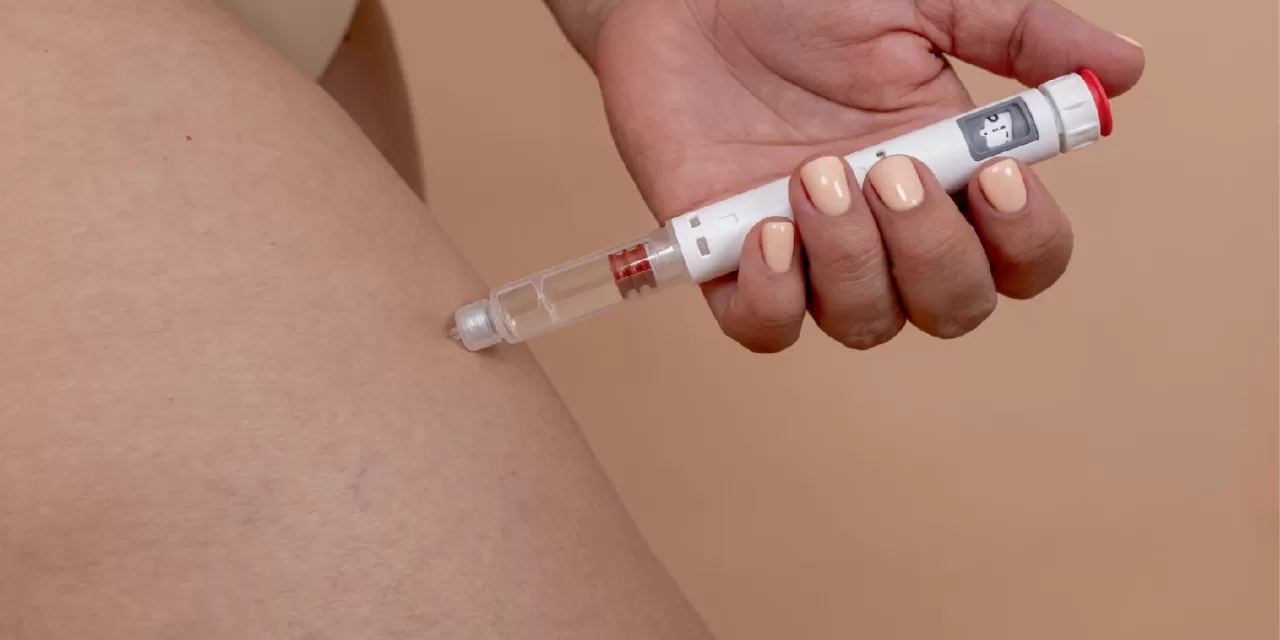
The approval grants adults with obesity or those who are overweight with weight-related comorbidities access to a once-weekly injectable treatment. This marks a pivotal entry for Pfizer into China’s surging weight-loss market, placing the pharmaceutical giant in direct competition with established leaders Novo Nordisk and Eli Lilly. The decision follows ecnoglutide’s earlier approval for type 2 diabetes and arrives as China faces a critical public health turning point: more than half of its adult population is now classified as overweight or obese.
The SLIMMER Trial: Results and Efficacy
The NMPA’s decision was heavily informed by the Phase 3 SLIMMER trial, the results of which were recently published in The Lancet Diabetes & Endocrinology. The study evaluated the efficacy and safety of ecnoglutide over a 48-week period in adults without diabetes.
The data revealed that ecnoglutide delivers weight loss outcomes that rival the current market gold standards. Key findings from the 2.4 mg dosage group included:
-
Significant Weight Reduction: Participants achieved a mean body weight reduction of 15.4% (approximately 13.8 kg), compared to just 0.3% in the placebo group.
-
High Responder Rates: An impressive 92.8% of patients achieved at least a 5% reduction in body weight, while 27.5%—nearly one in three—surpassed the 20% weight-loss threshold.
-
Secondary Health Benefits: Beyond the scale, the drug showed marked improvements in metabolic markers, including reduced waist circumference, lower BMI, decreased blood pressure, and improved levels of triglycerides and LDL (“bad”) cholesterol.
A “Biased” Approach to Weight Loss
Ecnoglutide distinguishes itself through its unique pharmacological profile. Classified as a “cAMP-biased” GLP-1 agonist, it selectively activates specific signaling pathways within cells.
“The ‘biased’ signaling of ecnoglutide is a sophisticated evolution in this drug class,” explains Dr. Wei Zhang, an endocrinologist at Peking Union Medical College Hospital, who was not involved in the trials. “By prioritizing certain pathways, the drug may minimize the receptor fatigue or ‘desensitization’ sometimes observed with other agonists, potentially allowing for sustained efficacy over longer periods.”
While gastrointestinal side effects—such as nausea and diarrhea—were reported by 93% of users, they were characterized as mostly mild-to-moderate. Importantly, the discontinuation rate due to these adverse effects remained low, suggesting that the “biased” mechanism may offer a more tolerable experience for the average patient.
Context: China’s Growing Obesity Crisis
The approval comes at a time of escalating urgency. Urbanization, rapid shifts in dietary patterns, and increasingly sedentary lifestyles have caused obesity rates in China to skyrocket. Since 2002, the prevalence of overweight and obesity has climbed from 17.3% to over 50%.
The human and economic toll is staggering. Estimates for 2025 suggest that 41% of the population has a BMI of 25 or higher, a trend linked to roughly 228,000 premature deaths annually from non-communicable diseases like heart disease and stroke. Consequently, the Chinese GLP-1 market is projected to grow from $1.98 billion in 2025 to over $6.3 billion by 2033.
Strategic Pivot for Pfizer
For Pfizer, ecnoglutide represents a successful pivot after previous setbacks in the obesity space. Following the discontinuation of their oral candidate, danuglipron, due to high rates of side effects and liver concerns, Pfizer secured the China rights for ecnoglutide from Hangzhou-based Sciwind Biosciences in early 2026 for a deal worth up to $495 million.
This licensing agreement allows Pfizer to leverage an existing, high-performing injectable while it continues to develop other metabolic therapies. By entering the Chinese market now, Pfizer positions itself against Novo Nordisk’s Wegovy and Eli Lilly’s Zepbound in a region where demand is currently outstripping supply.
Public Health and Daily Life: What This Means for Patients
For the 200 million Chinese citizens living with obesity, ecnoglutide offers a potent medical tool. However, experts emphasize that pharmacological interventions are not a substitute for lifestyle changes.
“It’s crucial to view these medications as ‘adjunctive’ therapies,” says Dr. Li Chen, an obesity specialist at Shanghai Jiao Tong University. “For a patient, this might mean that the drug provides the biological assistance to feel full sooner, but the daily decision to choose nutrient-dense vegetables over processed foods and to maintain physical activity remains the foundation of health.”
Limitations and Considerations
Despite the enthusiasm, the medical community maintains a cautious outlook regarding several factors:
-
Generalizability: The Phase 3 trials were primarily conducted across 36 sites within China. Further global data is needed to confirm if these results translate across diverse ethnic backgrounds.
-
Long-term Data: While the 48-week data is robust, long-term cardiovascular outcomes and the impact of staying on the medication for years—or decades—remain areas of active study.
-
Access and Equity: With a high price tag expected for these advanced therapies, health authorities are concerned about “medical deserts” in rural areas where access to both the drug and the necessary specialist oversight is limited.
The Road Ahead
As Pfizer prepares for the commercial launch of ecnoglutide, the focus shifts to supply chain stability and potential inclusion in national reimbursement schemes. For now, the approval signals a new chapter in the treatment of chronic weight management, offering hope for millions while intensifying the competition in one of the decade’s most significant medical frontiers.
Medical Disclaimer: This article is for informational purposes only and should not be considered medical advice. Always consult with qualified healthcare professionals before making any health-related decisions or changes to your treatment plan. The information presented here is based on current research and expert opinions, which may evolve as new evidence emerges.
References
-
Reuters/Yahoo Finance. “China approves Pfizer-partnered GLP-1 drug for weight management.” March 6, 2026.