 0
0
 0
0
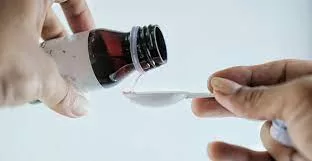
Since late August 2025, a series of tragic deaths of children below five years of age have been reported in Madhya Pradesh and Rajasthan, raising alarm across India and prompting urgent public health action. Investigations have linked these fatalities—19 confirmed child deaths in Madhya Pradesh alone—to the consumption of contaminated Coldrif cough syrup manufactured by Sresan Pharma Pvt. Ltd., based in Tamil Nadu.
Key Findings and Developments
State forensic analyses revealed dangerously high concentrations of diethylene glycol (DEG) in samples of Coldrif cough syrup. DEG is an industrial solvent commonly used in antifreeze and other industrial products but is toxic and banned for pharmaceutical use due to the risk of acute kidney failure and neurological damage, even at low doses. The presence of DEG beyond permissible limits was confirmed by the Ministry of Health and Family Welfare, triggering bans on the syrup in multiple states, including Madhya Pradesh, Punjab, Kerala, Tamil Nadu, and Uttar Pradesh. Other cough syrup brands, such as ReLife and Respifresh TR produced in Gujarat, were also found to contain excessive DEG, initiating suspension of their sale.
Dr. Praveen Soni, a pediatrician in Madhya Pradesh who prescribed Coldrif syrup to the affected children, was arrested following the deaths of 11 children treated at his clinic. Regulatory authorities have filed legal cases under relevant drug safety laws and charged both the prescribing doctor and the manufacturer.
Expert Commentary
Public health experts underscore the extreme dangers of DEG contamination. Dr. Ananya Sharma, a toxicologist not involved in the investigation, explained, “Diethylene glycol can cause severe kidney damage leading to acute renal failure, which often results in death in young children. This chemical should never be present in medicines.” Toxicological evaluation and enforcement of pharmaceutical production standards are critical to preventing recurrence.
A senior official from the Central Drugs Standard Control Organisation (CDSCO) indicated that regulatory lapses allowed contaminated batches to circulate, stressing a need for stringent quality control measures and improved monitoring of pharmaceutical manufacturers to safeguard patient safety.
Context and Background
This incident echoes previous global tragedies—such as in Gambia (2022) and Uzbekistan (2023)—where DEG contamination in Indian-made cough syrups caused dozens of child deaths. India has faced international scrutiny over pharmaceutical exports, compelling urgent reforms in drug safety regulations.
The Indian government has mandated recalls and initiated widespread testing across states. The Union Ministry of Health has issued advisory warnings against prescribing cough syrups for children under five unless essential.
Public Health Implications
This tragedy highlights major public health risks from pharmaceutical contamination in India and calls for enhanced vigilance by health authorities, practitioners, and consumers. Each year, cough syrups are used extensively to manage children’s respiratory symptoms, but the safety of these over-the-counter medicines depends on strict regulatory control.
The case emphasizes the importance of:
-
Stringent manufacturing oversight to prevent contamination with hazardous substances.
-
Prompt regulatory response and recall mechanisms.
-
Educating healthcare providers and families about medication safety and appropriate use, especially in vulnerable populations like young children.
-
Formal supervision of investigations through independent judicial or expert bodies to ensure unbiased and thorough review.
Limitations and Counterarguments
Some samples collected in affected areas reportedly did not detect DEG contamination, complicating the full scope of attribution to a single cause. Investigations are ongoing to clarify all factors involved in the deaths.
Experts also caution that while these cases are tragic, not all cough syrups are unsafe—adverse outcomes relate to specific contaminated batches rather than all syrups in the market.
Conclusion
The deaths of children due to contaminated cough syrup are a devastating public health failure that demands urgent regulatory reform, comprehensive investigations, and strict enforcement of pharmaceutical safety standards to prevent similar tragedies. Families and healthcare providers must exercise cautious medicine use and remain vigilant to official drug safety alerts.
Medical Disclaimer: This article is for informational purposes only and should not be considered medical advice. Always consult with qualified healthcare professionals before making any health-related decisions or changes to your treatment plan. The information presented here is based on current research and expert opinions, which may evolve as new evidence emerges.
References: