 0
0
 0
0
Chikungunya virus outbreaks remain strikingly unpredictable in size and severity, complicating public health responses and vaccine development, according to a recent landmark study analyzing more than 80 outbreaks worldwide. This mosquito-borne disease, which can cause debilitating joint pain lasting months or years, saw a resurgence in 2025 across over 119 countries, including new areas previously unaffected. Experts emphasize that while climate contributes to mosquito habitats, local conditions and chance events largely determine outbreak impact, underscoring the need for nuanced strategies to protect vulnerable populations and improve epidemic forecasting.
Key Findings from the Largest Comparative Analysis
A multidisciplinary research team led by infectious disease epidemiologist Alex Perkins from the University of Notre Dame published new findings in Science Advances, reconstructing and quantitatively analyzing 86 chikungunya outbreaks—constituting the largest dataset of its kind on this pathogen. Perkins explained, “Outbreaks vary dramatically in scope and intensity; some infect only a handful of individuals, while others devastate tens of thousands within comparable ecological and social contexts.” This variability challenges efforts to predict outbreaks based solely on climate factors such as temperature and rainfall, traditionally seen as primary drivers of mosquito populations and viral transmission.
The study found that while warmer, humid climates create environments conducive to Aedes aegypti and Aedes albopictus mosquitoes—the main vectors of chikungunya—other local factors have greater influence on outbreak outcomes. These include mosquito population density, quality of housing and infrastructure affecting mosquito breeding sites, and community-level public health responses. Random or stochastic elements also play a role, introducing unpredictability in determining how large and severe any given outbreak can become.
Contextual Background on Chikungunya Virus
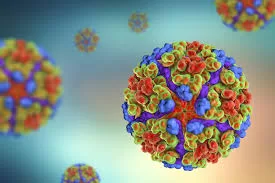
First identified in the 1950s, chikungunya virus (CHIKV) is primarily transmitted by bites from infected female Aedes mosquitoes, which also carry dengue and Zika viruses. Symptoms typically appear 4–8 days after a mosquito bite and include sudden high fever, rash, and severe joint pain that can significantly impair quality of life. Although chikungunya is rarely fatal, joint pain may persist months to years in some patients, particularly affecting newborns, older adults, and those with underlying conditions.
In 2025, the World Health Organization (WHO) reported widespread outbreaks affecting Southeast Asia, parts of Europe, the Americas, and Indian Ocean islands such as Réunion and Mauritius, noting over 270,000 confirmed cases and more than 110 deaths. This represents the largest recorded global spread of chikungunya to date, with approximately 5.6 billion people estimated at risk worldwide.
Expert Perspectives on Implications and Research
Dr. Perkins noted the public health challenges posed by the unpredictability: “One of our key findings is that climate alone doesn’t reliably predict how severe an outbreak will be. Public health strategies must account for socio-environmental factors and community engagement to effectively prevent and control outbreaks.” Alexander Meyer, a postdoctoral researcher involved in the study, emphasized the benefits of pooling outbreak data: “By analyzing multiple outbreaks collectively, we can identify trends and drivers that would remain hidden in isolated studies, which is crucial for improving epidemiological models and vaccine trial design.”
The study’s implications extend to vaccine development, where anticipating outbreak timing and locations is critical for evaluating vaccine efficacy under real-world conditions. Currently, only two chikungunya vaccines have regulatory approval, with limited availability, particularly in regions heavily affected by the virus.
Public Health and Practical Implications
For individuals residing in or traveling to chikungunya-endemic regions, prevention centers on avoiding mosquito bites through measures such as using insect repellents, wearing long sleeves and pants, and eliminating standing water breeding sites near homes. Vaccination, where available, is recommended for high-risk populations and travelers to endemic areas. Clinicians are advised to remain vigilant for chikungunya symptoms amid differential diagnosis with dengue and Zika, given overlapping clinical signs.
From a wider perspective, strengthening local health infrastructure, community-based vector control programs, and public education are paramount to mitigating outbreak severity. Improved surveillance and predictive modeling informed by comprehensive outbreak data can enable earlier and more targeted intervention, potentially reducing the human and economic burden of chikungunya.
Limitations and Areas for Further Study
While this extensive study offers vital insights, researchers caution that the inherent randomness and multiple interacting factors continue to limit precise outbreak prediction. Further research integrating socio-economic variables, mosquito ecology, and human behavior at finer geographic scales is needed to enhance forecast accuracy. Additionally, accelerated vaccine development and equitable distribution remain urgent priorities.
In sum, chikungunya’s complex epidemiology illustrated by the unprecedented 2025 outbreaks calls for adaptive, multifaceted public health approaches that transcend simple climate-based predictions.
Medical Disclaimer: This article is for informational purposes only and should not be considered medical advice. Always consult with qualified healthcare professionals before making any health-related decisions or changes to your treatment plan. The information presented here is based on current research and expert opinions, which may evolve as new evidence emerges.
References