 0
0
 0
0
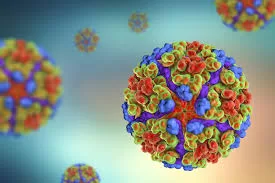
An outbreak of chikungunya virus has been reported in Guangdong Province, China, with most cases concentrated in Foshan city. This mosquito-borne virus causes fever, joint pain, headache, muscle pain, joint swelling, and rash, with symptoms typically appearing 3 to 7 days after a bite from an infected mosquito. While most people recover within a week, some experience severe joint pain lasting months or years. Vulnerable groups at higher risk of severe disease include newborns infected around the time of birth, older adults aged 65 and above, and individuals with underlying medical conditions such as diabetes or heart disease. Death from chikungunya is rare.
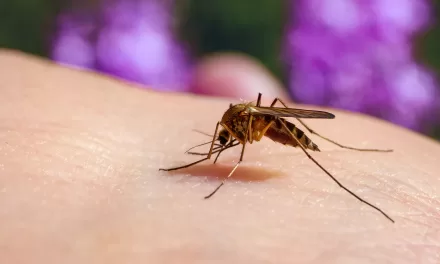
The virus is transmitted by Aedes mosquitoes, and prevention primarily involves avoiding mosquito bites. Recommended protective measures include using insect repellent, wearing long-sleeved shirts and pants, and staying in accommodations with air conditioning or window and door screens.
Vaccination is advised for travelers visiting regions with chikungunya outbreaks. In the United States, two vaccines have been approved: a live-attenuated vaccine called IXCHIQ for adults aged 18 and older, and a virus-like particle vaccine called VIMKUNYA for adolescents and adults 12 years and older. However, due to reports of serious adverse events, the live-attenuated vaccine IXCHIQ is currently not recommended for individuals aged 60 and over until further investigations are completed. Pregnant women are advised to reconsider travel to affected areas, particularly near delivery time, since transmission from mother to baby can occur, posing serious health risks to newborns. Vaccination during pregnancy should generally be deferred but may be considered after evaluating risks with a healthcare provider when exposure risk is high.
Travelers developing symptoms such as fever, joint pain, or rash during or following travel to the affected area should seek medical care promptly.
Health authorities including the U.S. Centers for Disease Control and Prevention (CDC) are actively monitoring the outbreak and advising travelers to practice enhanced precautions when visiting Guangdong Province, China.
Disclaimer: This article is based on information provided by the U.S. CDC as of August 2025 and is intended for informational purposes only. Readers should consult healthcare professionals for personal medical advice and refer to official resources for the latest health recommendations and travel notices.