 0
0
 0
0
A new outbreak of the mosquito-borne chikungunya fever has been reported in the Guangdong province of southeastern China, prompting swift health alerts and public health responses from neighboring Hong Kong. This comes on the heels of the recent global focus on infectious diseases, including the lasting impact of the COVID-19 pandemic.
-
: The outbreak reportedly began on July 8, 2025, with an imported case detected in the Shunde district of Foshan city. The disease has since spread rapidly, particularly affecting the towns of Lecong, Beijiao, and Chencun.
-
: As of July 19, 2025, Shunde alone had reported 1,161 confirmed cases of chikungunya fever, with additional cases identified in the districts of Nanhai and Chancheng. Most patients have exhibited mild symptoms, and there have been no fatal cases reported as of the most recent updates.
-
: Local health authorities have called for enhanced sanitation and widespread mosquito control efforts to curb further transmission. Emergency response teams have been deployed for epidemic investigation and disinfection in affected communities.
Due to the geographical proximity and frequent cross-border travel between Guangdong and Hong Kong, Hong Kong health authorities have issued a public alert, emphasizing the necessity for mosquito bite prevention and environmental hygiene. While Hong Kong has not yet reported any local cases in 2025, it remains at increased risk of imported infections.
-
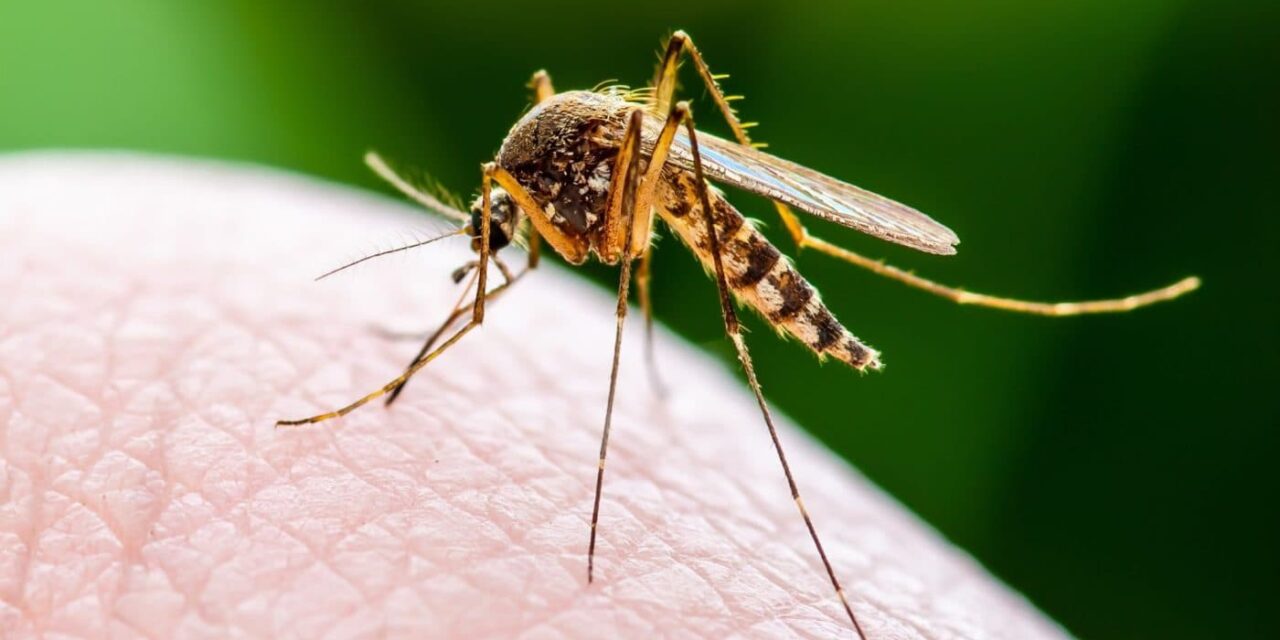
: Chikungunya fever is transmitted by the bite of infected Aedes mosquitoes—primarily Aedes aegypti and Aedes albopictus.
-
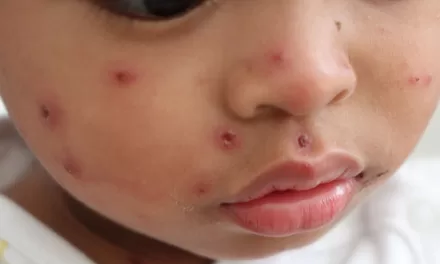
: Key symptoms include sudden fever, severe joint pain, muscle pain, headache, nausea, fatigue, and rash. Most cases are mild and resolve within a week, but persistent joint pain can last for months or even years in some sufferers.
-
: Globally, more than 220,000 chikungunya cases have been recorded in 2025 as of mid-July. The disease is considered a statutory notifiable condition in Hong Kong, with ongoing surveillance and rapid-response measures in place.
Health authorities in both China and Hong Kong stress the following preventive measures:
-
Eliminate standing water to reduce mosquito breeding.
-
Use insect repellents and wear long-sleeved clothing.
-
Employ window and door screens to keep mosquitoes out.
-
Apply mosquito control measures in homes and communities.
-
Travelers returning from affected areas should use insect repellent for at least 14 days and seek medical attention if symptoms develop.
This article is based on the most current available reporting and public health announcements as of July 21, 2025. The situation is evolving, and case numbers or guidance may change as new information emerges. For the most up-to-date advice, consult local health authorities or the World Health Organization. The numbers and analyses presented here do not substitute for professional medical consultation or official announcements.