 0
0
 0
0
July 24, 2025
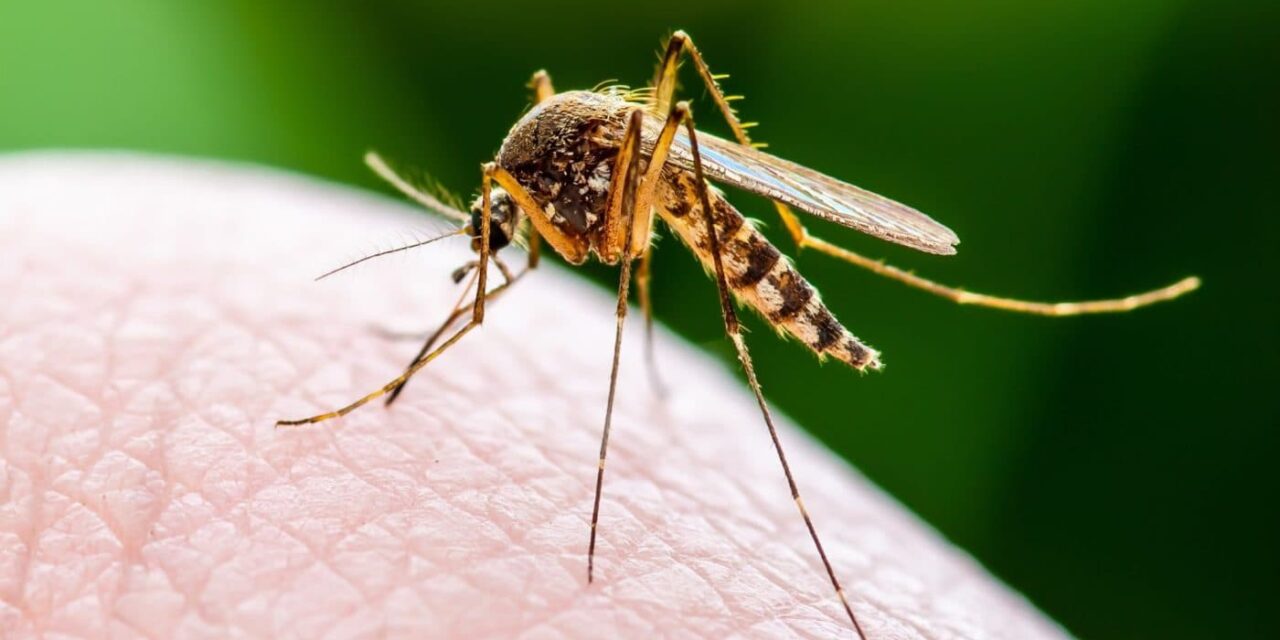
The World Health Organization (WHO) has raised a global health alert as cases of Chikungunya, a mosquito-borne viral illness, surge in multiple regions. The disease, primarily transmitted by Aedes aegypti and Aedes albopictus mosquitoes, is making a dramatic comeback reminiscent of an outbreak two decades ago.
Rising Threat Across Continents
Chikungunya, known for causing severe fever and joint pain, has now been reported in 119 countries, putting an estimated 5.6 billion people at risk1. According to WHO expert Diana Rojas Alvarez, “this situation occurred back in 2004-2005, when chikungunya affected the people from small islands and spread to other parts of the world”.
Since the beginning of 2025, island nations in the Indian Ocean — including Reunion, Mayotte, and Mauritius — have seen up to one-third of their populations affected by the disease. Nearby areas such as Madagascar, Kenya, and Somalia have detected rising numbers of cases. Parts of South Asia, together with France, other European nations, and Italy, have also observed clusters of infections.
Causes and Precautionary Measures
Chikungunya is not spread by all mosquitoes but specifically by Aedes aegypti and Aedes albopictus, most active in the early morning and late afternoon. WHO officials note that climate change has enabled these mosquitoes to expand into new territories, fueling the virus’s spread.
Symptoms of Chikungunya — fever and intense joint pain — often mimic those of other conditions, making early detection challenging. The illness disproportionately affects individuals with compromised immunity and can escalate rapidly if appropriate treatment is delayed.
To curb transmission, WHO urges the public to:
-
Use mosquito repellents regularly.
-
Wear clothing that covers exposed skin.
-
Avoid areas with stagnant or dirty water.
-
Raise awareness of mosquito-borne diseases in susceptible communities.
Global Health Response
Due to the rapid escalation, WHO has issued advisories calling on nations to enforce stringent vector control measures and educate citizens about preventive practices.
Disclaimer: This article is for informational purposes only and does not replace professional medical advice. Please consult healthcare professionals or your local health authorities for specific guidance on Chikungunya prevention and treatment.