 0
0
 0
0
Kollam, Kerala, October 22, 2025 — Health authorities in Kollam district have declared an alert following a rapid surge in chickenpox cases, with 97 confirmed infections as of October 17. Typically more prevalent during summer, this outbreak is unusual for the rainy season, attributed by officials to fluctuating weather conditions creating favorable transmission environments. The varicella-zoster virus (VZV), responsible for chickenpox, spreads easily via respiratory droplets and direct contact, raising concerns especially in Kollam’s densely populated residential areas.
Key Findings and Developments
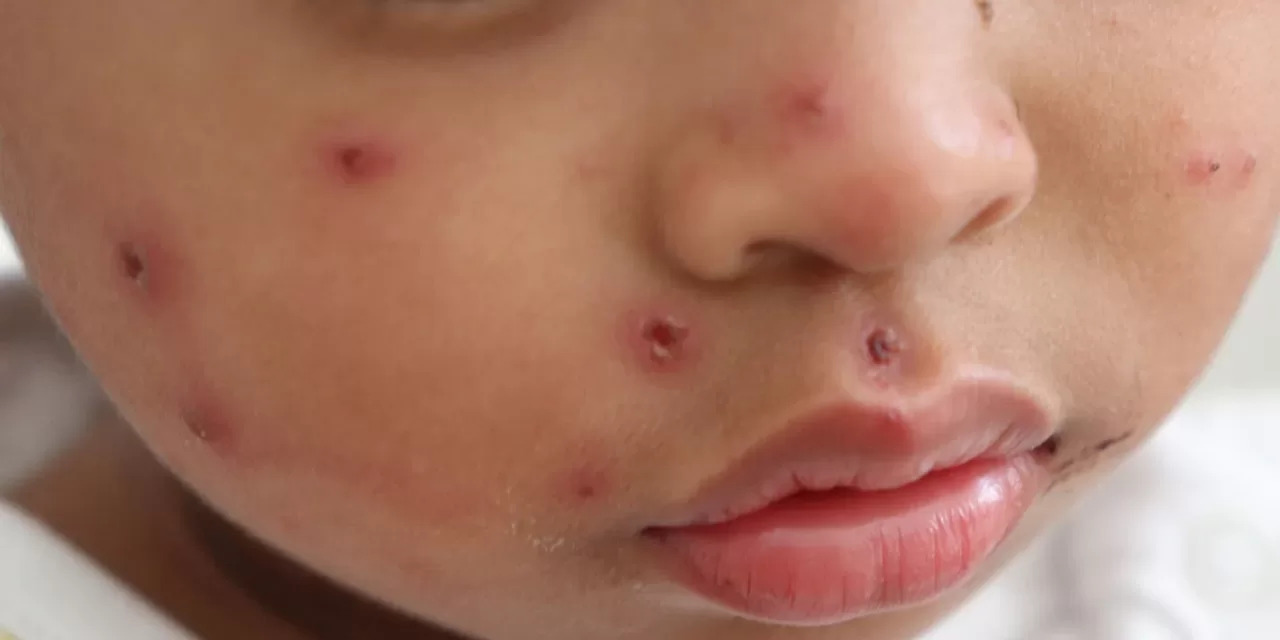
Chickenpox is a highly contagious disease marked by an itchy, blister-like rash and fever, primarily affecting children but also posing significant risk to adolescents, adults, pregnant women, and immunocompromised individuals. In Kollam, the close living quarters have facilitated rapid transmission, evolving from isolated cases to clusters of infection. The virus can remain latent after initial infection and reactivate later as shingles, a painful condition more common in older adults. Prompt vaccination drives and public health campaigns have been launched to mitigate the spread.
Expert Perspectives
A district health official noted, “Many residential areas in Kollam town are closely packed. While early cases were isolated, clusters are now emerging, increasing the risk of severe infection among vulnerable groups. Timely medical care and vaccination are crucial to control this outbreak.” Another source from the District Medical Office emphasized the importance of vaccinating children, especially those relocating to hostels or studying outside Kerala, to protect against severe manifestations and community spread.
Context and Background Information
Chickenpox is caused by VZV, belonging to the herpesvirus family, and transmits mainly through airborne droplets from coughs or sneezes, or direct contact with the infectious rash. The incubation period typically ranges from 10 to 21 days, with early symptoms including fever, fatigue, loss of appetite, and headache appearing 1 to 2 days before the rash onset. During this prodromal phase, individuals are already contagious, which complicates controlling transmission in crowded settings.
Vaccination remains the cornerstone of chickenpox prevention. According to recent evidence, one dose of varicella vaccine provides approximately 87% effectiveness, while two doses increase protection to around 97%, significantly reducing both incidence and severity of disease. The vaccine also lowers the risk of complications and secondary transmissions, which largely occur only if vaccinated individuals develop a mild rash post-immunization, a rare event. The World Health Organization and the CDC recommend two doses for optimal immunity, though it is not currently part of India’s universal immunization program.
Implications for Public Health
The outbreak in Kollam highlights the need for enhanced surveillance and vaccination policies in regions vulnerable to varicella outbreaks, especially where population density and climatic factors favor virus spread. Vaccination campaigns targeting children and at-risk adults can curb the chain of transmission effectively. Prompt diagnosis and isolation of infected individuals along with community hygiene measures—like regular handwashing and avoiding contact with infected persons—are pivotal in outbreak management. Additionally, awareness drives are critical to educate the public about recognizing early symptoms and seeking timely medical advice.
Potential Limitations and Counterarguments
While vaccination is effective, coverage gaps and lack of incorporation into the universal immunization program limit its impact in India. Some experts caution that natural infection confers lifelong immunity, but this comes at the risk of severe complications like pneumonia, encephalitis, and bacterial infections, which vaccination can prevent. Moreover, chickenpox outbreaks linked to climate variations underline the complexity of predicting seasonal patterns, necessitating ongoing public health vigilance.
Practical Takeaways for Readers
Residents of Kollam and surrounding districts should stay alert for chickenpox symptoms, including fever, rash, and fatigue. Parents should ensure children receive the varicella vaccine and keep infected children isolated to avoid further spread. Adults, especially pregnant women and those with weakened immune systems, should consult healthcare providers about vaccination and preventive measures. Maintaining good respiratory hygiene and avoiding close contact with infected persons remain critical steps to protect oneself and the community.
Medical Disclaimer: This article is for informational purposes only and should not be considered medical advice. Always consult with qualified healthcare professionals before making any health-related decisions or changes to your treatment plan. The information presented here is based on current research and expert opinions, which may evolve as new evidence emerges.
References