 0
0
 0
0
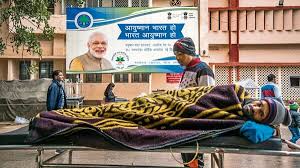
In a significant development affecting healthcare access in Chhattisgarh, private hospitals across the state have suspended cashless treatment services under the Centre’s flagship health insurance scheme, Ayushman Bharat (Pradhan Mantri Jan Arogya Yojana or PM-JAY). This disruption follows delayed reimbursements to hospitals, with unpaid dues nearing Rs 200 crore, creating financial strain that hospitals warn is unsustainable for continuing the scheme. The suspension, announced by the Association of Healthcare Providers of India (AHPI), threatens to impede quality care for poor and vulnerable patients who rely on the scheme for costly treatments .
Key Developments and Context
Ayushman Bharat offers an annual coverage of up to Rs 5 lakh per family, targeting underprivileged populations by providing free, cashless treatment for critical surgeries and therapies. However, in Chhattisgarh, numerous private healthcare facilities have reportedly accrued unpaid bills running into lakhs of rupees, prompting hospitals such as Ramkrishna Care, VY, Dani, and NKH Super Speciality to halt services. Pediatric hospitals are particularly affected, disrupting essential long-term treatments for children .
Dr. Rakesh Gupta, president of AHPI Chhattisgarh, emphasized the operational challenges, stating, “Running hospitals without funds is unsustainable. Even the mandatory DGRC meetings, which should happen monthly, are not being held. There is no platform for grievance redressal” . Patients have shared distressing experiences, with some forced to pay out of pocket despite holding valid Ayushman cards. One patient generalized the frustration: “The scheme is supposed to be free, but we had to mortgage our land for treatment” .
Expert Perspectives and Government Response
Dr. Sandeep Dave, Director of Ramkrishna Hospital, confirmed the financial crunch as dues accumulate, making it impossible for hospitals to maintain cashless services under Ayushman Bharat. His statement highlights a critical operational bottleneck that could have far-reaching consequences for patient care and hospital sustainability .
Conversely, Chhattisgarh Health Minister Shyam Bihari Jaiswal denied any shortage of funds for the scheme, asserting that Rs 505 crore, including the Centre’s share, has been released to the state. He challenged hospitals to formally document their refusal to treat patients under the scheme, indicating a disconnect in accountability and communication between providers and the government .
Implications for Public Health and Patients
The temporary suspension of services threatens to undermine one of India’s most ambitious public health initiatives designed to reduce healthcare inequities. For families living in poverty, especially those with chronic or critical conditions, continuity of care is paramount. Interruption of cashless services may force patients to seek costly out-of-pocket care, potentially pushing them into deeper financial distress.
This crisis underscores systemic challenges within health insurance implementation in India, revealing vulnerabilities in fund disbursement processes and provider-government coordination. Pediatric patients requiring long-term therapies are among the most vulnerable, facing disruptions that could lead to worsened health outcomes .
Limitations and Counterarguments
While hospitals highlight delayed reimbursements as the primary cause for halting services, government officials contest claims of fund shortages, suggesting procedural lapses or administrative bottlenecks may contribute. The Health Minister’s call for hospitals to provide written proof of refusal to treat points to possible gaps in communication or accountability mechanisms.
Additionally, while this suspension affects private hospitals, the status of services in state-run healthcare facilities, which are also part of the scheme, remains a crucial factor to monitor for comprehensive impact assessment .
Practical Takeaways for Readers
For patients and families depending on Ayushman Bharat, this development signals the need to stay informed about service availability and to communicate proactively with healthcare providers about coverage status. Policymakers and healthcare administrators must prioritize prompt reimbursement and transparent grievance redressal to restore trust and functionality in the scheme.
Healthcare workers and administrators are urged to engage with government bodies to seek timely solutions, while public health advocates may use this incident as a case to push for reforms improving financial flow transparency and stakeholder communication in public insurance schemes.
Medical Disclaimer
This article is for informational purposes only and should not be considered medical advice. Always consult with qualified healthcare professionals before making any health-related decisions or changes to your treatment plan. The information presented here is based on current research and expert opinions, which may evolve as new evidence emerges.
References
-
Chhattisgarh Private Hospitals halt Ayushman Bharat services over payment delays, Medical Dialogues, accessed September 2025.