 0
0
 0
0
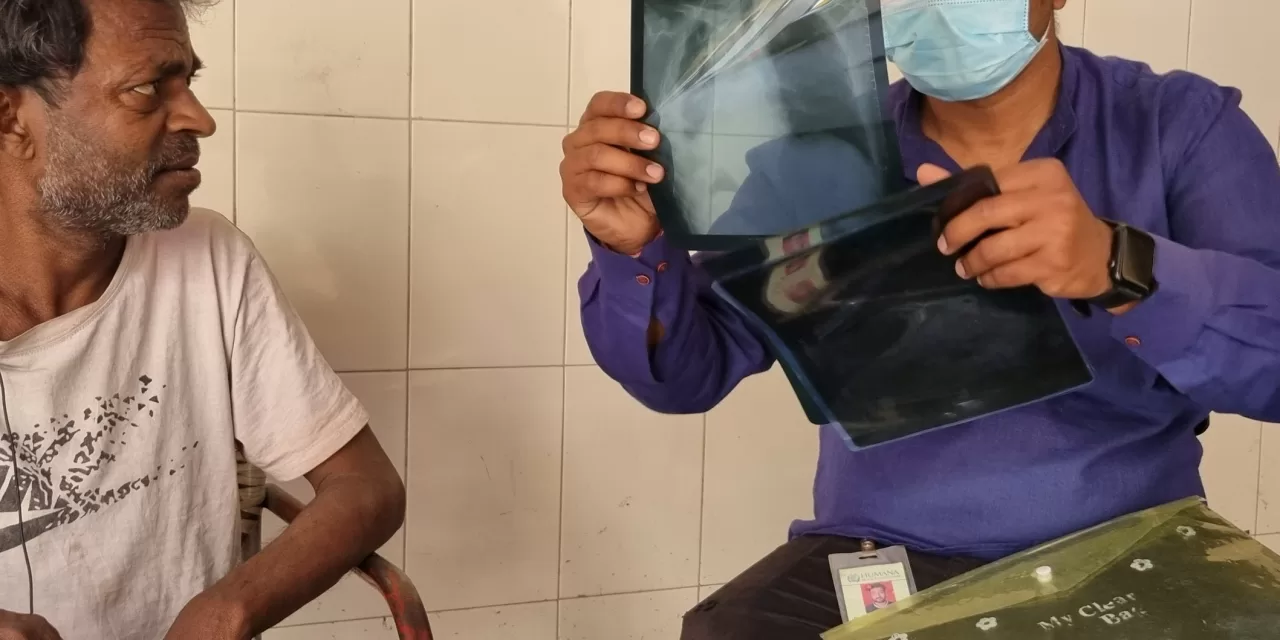
A recent study published in The Lancet Global Health reveals that commonly used chest X-rays, especially those based on symptoms, are inadequate to detect asymptomatic tuberculosis (TB) infection among household contacts of TB patients. This finding signals a critical need for revised screening protocols to better identify and treat hidden TB cases that contribute to ongoing transmission.
The study, conducted by researchers from the University of Cape Town, South Africa, systematically screened 979 household contacts of pulmonary TB patients across three communities using both symptom assessment and chest radiograph screening, benchmarked against universal sputum microbiological testing. Results showed that 5.2% of household contacts had confirmed pulmonary TB, but alarmingly, more than 80% of these individuals reported no symptoms. The chest X-ray screening missed approximately 40% of the cases, with the sensitivity for detecting asymptomatic TB at only 56.1%. When combining symptom and chest X-ray screening, sensitivity increased marginally to 64% but remained insufficient to identify many cases.
Dr. Simon C Mendelsohn, corresponding author and a lead researcher at the South African Tuberculosis Vaccine Initiative, stressed the significance of these findings, noting that symptom- and chest radiograph-based approaches might substantially underestimate the prevalence of asymptomatic TB in endemic regions. The presence of a large pool of undiagnosed, asymptomatic TB cases among household contacts increases the risk of ongoing community transmission and undermines TB control efforts.
Context and Background
Tuberculosis remains one of the deadliest infectious diseases globally, with an estimated 10.8 million new cases and 1.25 million deaths reported in 2023 by the World Health Organization (WHO). Household contacts of TB patients are a recognized high-risk group for both TB infection and active disease due to prolonged exposure. Effective and timely screening of these contacts is critical for early detection and intervention to halt transmission chains.
Currently, chest radiography and symptom screening are standard components of contact investigations for TB, but their effectiveness is compromised in detecting asymptomatic or subclinical TB. As per WHO data, about 25% of the estimated global TB cases remain undiagnosed or untreated annually—a substantial fraction of which may be asymptomatic.
The study’s findings highlight that asymptomatic TB cases tend to have lower bacterial loads and serum markers that differ from those of symptomatic patients, complicating detection through traditional methods. This reinforces the need for more sensitive diagnostic approaches beyond chest X-rays and symptom questionnaires.
Expert Perspectives
Dr. Maria Lopez, an infectious disease specialist not involved in the study, commented, “This research emphasizes a critical gap in our current TB screening strategies. Asymptomatic TB is a silent driver of the epidemic, and relying on chest X-rays alone is clearly inadequate. Incorporation of more sensitive microbiological or molecular testing will be essential to identify these hidden cases and prevent transmission.”
Similarly, Dr. Rajiv Patel, a pulmonologist specializing in TB care, noted, “Household contact screening should be more aggressive, using multiple diagnostic tools simultaneously. Symptom screening and chest radiographs can miss cases, especially in early or latent stages. This study highlights the urgency for comprehensive screening protocols.”
Implications for Public Health and Everyday Decisions
Given the high prevalence of undiagnosed asymptomatic TB among household contacts, TB control programs should prioritize expanded microbiological screening methods, including sputum culture and molecular tests, in addition to chest X-rays and symptom assessment. Early detection followed by appropriate treatment could reduce the reservoir of infection, lower transmission rates, and ultimately save lives.
For the general public, awareness that TB infection can be present without obvious symptoms is important, especially for those living with or caring for someone with active TB. Prompt medical evaluation and screening are crucial even in the absence of cough, fever, or other typical signs.
Limitations and Counterarguments
While chest X-rays are widely used due to their accessibility and cost-effectiveness, their low sensitivity in asymptomatic individuals, as shown in this study, limits their standalone diagnostic value. However, the study primarily evaluated microbiological sputum testing as the reference standard, which itself may have limitations in detecting extrapulmonary or inactive TB.
Moreover, resource constraints in many high TB burden countries may challenge the feasibility of universal molecular or culture-based testing for all contacts, requiring strategic prioritization and phased implementation.
Nonetheless, the consensus among experts is that expanding screening beyond symptom-based and radiographic methods will be vital in improving TB detection rates.
Medical Disclaimer
This article is for informational purposes only and should not be considered medical advice. Always consult with qualified healthcare professionals before making any health-related decisions or changes to your treatment plan. The information presented here is based on current research and expert opinions, which may evolve as new evidence emerges.
References