 0
0
 0
0
Chennai, India – May 9, 2025
India is facing a silent yet deadly crisis: liver diseases, particularly liver cancer, are on the rise, claiming thousands of lives each year. According to a 2022 study, India accounted for 18.3% of the 2 million global liver disease-related deaths in 2015-a number that has only grown since. With lifestyle factors such as poor nutrition, sedentary habits, alcohol abuse, obesity, and diabetes contributing to the epidemic, the need for early detection and intervention has never been more urgent.
Enter Tvaster Genkalp, a Chennai-based biotech startup founded in 2021 by Srikar Raman and K Sreedurgalakshmi. The company is on a mission to transform liver cancer diagnostics with its non-invasive, highly sensitive liquid biopsy solution-Episcreen Liver. This blood-based screening test is designed to detect genetic and epigenetic changes associated with hepatocellular carcinoma (HCC), the most common and aggressive form of primary liver cancer.
Tackling India’s Liver Cancer Crisis
Liver diseases often progress silently, with symptoms appearing only after irreversible damage has occurred. Recent reports indicate that 35% of Indian adults under 45 show signs of fatty liver, and studies from AIIMS suggest non-alcoholic fatty liver disease (NAFLD) affects up to 65.7% of adults and 12.4% of non-obese children. While NAFLD can be reversed with lifestyle changes, chronic conditions like hepatitis and cirrhosis significantly increase the risk of developing liver cancer.
Traditionally, liver cancer detection has relied on invasive biopsies and less-sensitive blood markers such as alpha-fetoprotein (AFP). However, these methods often miss early-stage cancers, limiting treatment options and survival rates.
A New Era in Diagnostics
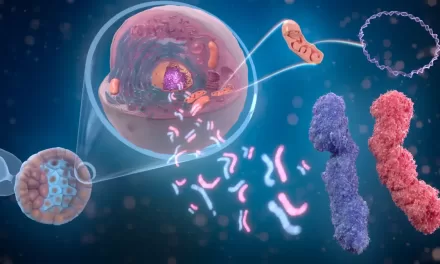
Tvaster Genkalp’s Episcreen Liver test uses a simple blood sample to analyze cell-free DNA for cancer-specific methylation patterns, offering a non-invasive, affordable, and scalable alternative to traditional diagnostics. The technology, patented as “Sequencing-Independent Compositions for Detecting Carcinomas Using Methylation Markers,” has reportedly detected 92% of HCC cases missed by AFP in early trials.
The startup has already served over 1,400 patients and raised more than $1.25 million in a Pre-Series A funding round led by Ideaspring Capital, with participation from Invigo Software and renowned liver transplant surgeon Prof. Mohamed Rela.
Building Clinical Trust and Expanding Access
Currently, Tvaster Genkalp operates on a B2B model, partnering with major diagnostic chains like Dr Lal PathLabs and Dr Rela Institute & Medical Centre to reach clinicians and patients. The founders emphasize the importance of building clinical trust before moving to direct-to-consumer offerings.
With the Episcreen Liver test priced at INR 10,000-significantly lower than many advanced genomic tests-the company aims to make early cancer detection more accessible. The startup is also piloting technology to detect chemotherapy resistance in pediatric liver cancer patients and developing a screening solution for bile duct cancer.
Challenges and the Road Ahead
Despite promising results, the road to nationwide adoption is not without hurdles. Regulatory approval from the Central Drugs Standard Control Organisation (CDSCO) is underway, and the company is working to raise awareness and build a trusted brand among clinicians and patients alike.
Looking ahead, Tvaster Genkalp plans to integrate its test into routine health checkups through partnerships with hospitals, diagnostic centers, and corporate wellness programs. The founders hope to serve 5,000 patients in the coming years, with a vision to make preventive liver cancer screening a standard part of healthcare in India.
Disclaimer:
This article is based on information available as of May 9, 2025, and references the original reporting by Inc42. The medical technologies and diagnostics described are still undergoing regulatory approvals and broader clinical validation. Individuals should consult qualified healthcare professionals before making any medical decisions or seeking diagnostic tests. The effectiveness and availability of the mentioned products may change as further research and regulatory processes progress.
Citations: