 0
0
 0
0
CHENNAI — The Central Government has issued an urgent directive to the Tamil Nadu administration to intensify biosafety protocols and disease surveillance after laboratory results confirmed Avian Influenza (Bird Flu) as the cause behind the deaths of over 1,500 crows across Chennai.
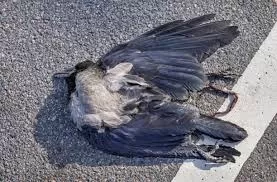
The outbreak, which surfaced over the final weeks of January and early February 2026, has seen carcasses littering prominent neighborhoods, including Adyar, Velachery, and the IT corridors of OMR. While the risk to the general public remains low, health officials are emphasizing “extreme caution” to prevent a potential spillover into the poultry industry or, in rare instances, to humans.
The Investigation: From Neighborhoods to the Lab
The alarm was first raised by residents in South Chennai who reported crows “falling from the sky” and collapsing in residential parks. The Kancheepuram Animal Disease Investigation Team moved swiftly to collect biological samples, which were dispatched to the National Institute of High Security Animal Diseases (NIHSAD) in Bhopal—India’s premier facility for testing highly pathogenic organisms.
The results, released this week, confirmed the presence of the H5 strain of the virus. While the specific sub-variant (such as H5N1 or H5N8) is undergoing further genomic sequencing, the Central Veterinary Research Institute has already moved to treat the situation as a significant public health event.
“The confirmation of the virus in wild bird populations like crows is a biological red flag,” says Dr. Arathi Sekhar, an independent epidemiologist specializing in zoonotic diseases. “Crows are highly mobile. Unlike poultry in a farm, wild birds don’t stay behind fences, which makes containment a logistical challenge for urban planners.”
Government Response and Containment Strategy
In a formal communication to Tamil Nadu’s Chief Secretary, the Centre has outlined a multi-pronged rapid response protocol:
-
Surveillance Zones: A 10km monitoring radius has been established around high-mortality areas like Pallikaranai and Thiruvanmiyur.
-
Poultry Scrutiny: All poultry farms on the outskirts of Chennai are under mandatory daily reporting. Any drop in egg production or spike in chicken mortality must be reported within four hours.
-
Disposal Protocols: Authorities have mandated that all carcasses be buried in lime-lined pits at least eight feet deep to ensure the virus does not leach into the groundwater or attract scavengers.
The Tamil Nadu Animal Husbandry Department has also deployed “Rapid Response Teams” (RRTs) to disinfect public spaces where large numbers of dead birds were found.
Understanding the Risk: Can Humans Get Sick?
For the average resident, the immediate question is one of personal safety. Avian influenza primarily affects birds, but certain strains have historically crossed the species barrier to infect humans, usually through direct contact with infected blood, feathers, or droppings.
According to the World Health Organization (WHO), human infections with bird flu are rare and do not typically spread easily between people. However, when they do occur, the mortality rate can be high, making preventive vigilance essential.
Safety Guidelines for Residents
The Greater Chennai Corporation (GCC) has issued the following directives:
-
Do Not Touch: Never handle a dead or sick bird with bare hands.
-
Report Immediately: Call the municipal helpline if you spot more than two dead birds in your vicinity.
-
Hygiene First: If you accidentally come into contact with bird droppings, wash the area thoroughly with soap and water and monitor for flu-like symptoms (fever, cough, or sore throat) for 10 days.
The Broader Context: A Regional Surge
Chennai is not alone in this struggle. Reports from Kerala and Bihar indicate similar clusters of avian influenza in recent months. This suggests a migratory pattern or a regional environmental factor contributing to the spread.
“We are seeing a shift in how these viruses move through urban ecosystems,” notes Dr. Rajesh Murugan, a senior veterinarian. “The density of Chennai’s crow population, combined with the proximity of wetlands like Pallikaranai, creates a ‘perfect storm’ for viral transmission among wild birds.”
Impact on the Food Industry
While the virus has been found in crows, the poultry industry is currently on the defensive. Health officials clarify that it is safe to consume poultry products if they are cooked thoroughly. The virus is heat-sensitive; maintaining an internal temperature of 74°C (165°F) during cooking effectively kills the pathogen.
Limitations and Looking Ahead
While the current measures are robust, experts warn that “passive surveillance”—relying on citizens to report dead birds—has its limits. There may be many more deaths in unmonitored wooded areas or private properties that go unrecorded.
Furthermore, the genomic sequencing from the Bhopal lab will be critical. It will determine if this strain has any mutations that make it more adapted to mammals, a key metric in assessing pandemic potential.
The Tamil Nadu government has reassured the public that there is no need for panic. However, with the virus now confirmed in the heart of the city, the next 14 days will be a critical window for containment.
References
- https://www.ndtv.com/health/bird-flu-alert-in-chennai-centre-urges-tn-to-intensify-preventive-measures-after-mass-crow-deaths-10952202
Medical Disclaimer: This article is for informational purposes only and should not be considered medical advice. Always consult with qualified healthcare professionals before making any health-related decisions or changes to your treatment plan. The information presented here is based on current research and expert opinions, which may evolve as new evidence emerges.