 0
0
 0
0
A team of EMBL Barcelona researchers, in a study published August 2025 in Nature Communications, has decoded how the deadly malaria parasite Plasmodium falciparum manages to break through the brain’s natural shield—the blood-brain barrier—leading to severe complications and death, especially in children. Their innovative laboratory model not only reveals a detailed mechanism of barrier disruption but also points to promising therapies that could save lives.
Key Findings and Developments
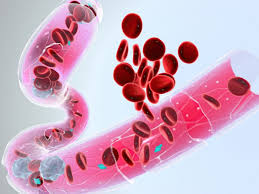
Cerebral malaria is one of the most lethal complications of malaria, accounting for the deaths of 1 in 5 affected children and leaving half of survivors with long-term neurological disabilities. The disease is caused by Plasmodium falciparum, a parasite that replicates in red blood cells before bursting out—known as “egress”—to infect new cells and ultimately reach the brain.
EMBL Barcelona’s Bernabeu Group developed a cutting-edge 3D blood-brain barrier (BBB) model—a “BBB-on-a-chip”—using endothelial cells, pericytes, and astrocytes in a flowing, miniaturized system. Exposing this model to the parasite at its most aggressive stage demonstrated that egress products from infected erythrocytes significantly increase permeability of the barrier, causing potentially irreversible brain swelling.
Live tracking in the lab showed fluorescent tracers leaking through the barrier only when exposed to the parasite, confirming the mechanism of damage. Gene expression analysis revealed a drop in proteins that normally seal the barrier, alongside a surge in inflammatory molecules.
Expert Commentary
“You have to imagine the blood-brain barrier as a system of tightly sealed pipes that prevent leaks. The malaria parasite is capable of developing cracks in those pipes, and creating a leak that starts dripping infected fluid into the brain, causing swelling and making the disease irreversible,” said Dr. Livia Piatti, Postdoctoral Fellow and co-first author of the study.
Dr. Maria Bernabeu, Group Leader and senior author, explained, “Our 3D-BBB model is one of the most advanced to date. Our next step is to include immune cells and other types present in the brain, like microglia and neurons, to make our model even closer to human reality”.
Independent commentary on this research from Dr. Paul Newton, a malaria neuroscientist at Oxford (not involved in the study), states, “This work finally connects molecular details of parasite action with visible damage at the blood-brain interface. Rigorous lab models like this are key steps towards therapeutic breakthroughs, especially for conditions with so few current treatments.”
Context and Background
Previous studies have shown that in fatal cases of cerebral malaria, the BBB is disrupted—a crucial step leading to coma and death. Current treatments rely on anti-malarial drugs, but even with effective medication, mortality remains high for cerebral malaria due to the limited understanding of brain involvement.
The BBB protects the brain by tightly regulating the passage of molecules. When compromised, harmful substances—including the malaria parasite—can invade the brain, triggering swelling, inflammation, and neurological injury.
Implications for Public Health
This new research highlights a potential path for adjunctive therapy in severe malaria cases. Researchers successfully tested the FDA-approved drug Ruxolitinib, a JAK-STAT signaling pathway inhibitor already used for certain cancers and immune disorders, on the infected BBB model.
Ruxolitinib functioned as a “patch,” reducing inflammation and helping prevent or reverse leakiness in the blood-brain barrier—a fundamental step to protect brain tissue when antimalarial drugs alone are insufficient.
For public health experts and clinicians, these results suggest that combining therapies targeting both the parasite and the inflammatory response in the brain could improve outcomes for cerebral malaria patients—and may offer hope especially for children in high-burden regions.
Limitations and Counterarguments
While the 3D-BBB model is remarkably sophisticated, it remains a laboratory creation. Its differentiation from real human brains—though lessening with added features—means that any results must be proven in rigorous clinical trials before application to patients.
Ruxolitinib is not currently approved for malaria, and its use for cerebral malaria remains experimental. Long-term safety data and effectiveness in varied populations, especially in resource-limited settings, are not yet available. Moreover, immune modulation carries the risk of unintended side effects, including decreased infection control in other parts of the body.
Dr. Anita Sharma, infectious disease specialist (AIIMS, New Delhi), cautions, “While results are encouraging, clinicians must keep in mind that immune-modulating drugs can sometimes have unforeseen consequences. Before any new treatment is adopted, clinical studies in real-world settings are essential.”
Practical Implications
For readers, these findings underscore the urgent need for early diagnosis and treatment of malaria. Current prevention measures—such as using bed nets, prompt diagnosis, and adherence to antimalarial drugs—remain the best defense. In the future, therapies that protect the brain itself could further reduce mortality and lasting disability among children and adults hit by cerebral malaria.
Individuals in malaria-endemic regions should continue to follow medical guidance for malaria prevention and treatment. However, advances like these offer hope that additional therapies may one day protect the brain from the worst effects of malaria.
Medical Disclaimer
“Medical Disclaimer: This article is for informational purposes only and should not be considered medical advice. Always consult with qualified healthcare professionals before making any health-related decisions or changes to your treatment plan. The information presented here is based on current research and expert opinions, which may evolve as new evidence emerges.”
References
-
EMBL Barcelona News. “Cerebral malaria: new study shows how the malaria parasite opens the way to the brain.” Sep 2025.