 0
0
 0
0
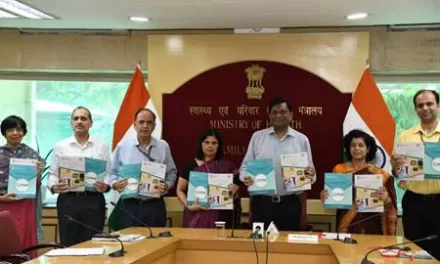
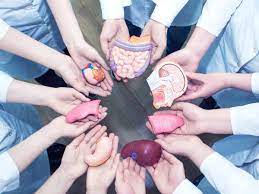
With over 1.7 lakh fatalities annually from road traffic accidents in India, many young and otherwise healthy individuals could potentially become organ donors. The central government, through the National Organ and Tissue Transplant Organization (NOTTO), has recently urged states to intensify efforts to encourage organ and tissue donation from road accident victims by training first responders and upgrading hospital trauma and organ retrieval centers. This initiative aims to address India’s critical organ shortage and save thousands of lives.
Urgent Need: Addressing Organ Shortage in India
India faces a grave shortage of organs for transplantation, with an organ donation rate of less than one deceased donor per million population, far below countries like Spain (~48 pmp) and the United States (~36 pmp). Although India ranks third globally in total organ transplants performed (over 18,900 in 2024), the majority rely on living donors, especially for kidneys and livers. In 2024 alone, around 13,476 kidney and 4,901 liver transplants were performed, with only about 1,128 deceased donors nationwide—of whom more than 700 were from just six southern states.
According to the Ministry of Road Transport and Highways’ “Road Accidents in India 2023” report, about 1.7 lakh people died in road accidents in 2023, many of whom were young adults aged 18-45 and thus potential organ donors. Tragically, many of these donors are lost due to lack of timely identification, referral, and trained personnel to facilitate organ donation procedures.
Government Steps to Improve Donation Rates
In a letter from Dr. Anil Kumar, Director of NOTTO, the government has called upon states to:
-
Conduct state and district-level training programs for first responders, including police, ambulance drivers, and paramedical staff, to identify and facilitate organ donations from eligible road accident victims.
-
Designate special hospital teams and upgrade trauma centers with adequate infrastructure to handle organ retrieval procedures.
-
Register these trauma centers as organ retrieval centers to streamline processes.
These steps align with the Transplantation of Human Organs and Tissues Act (THOTA) 1994 and its amendments, which govern identification of brainstem death cases and regulate organ donation procedures to ensure ethical compliance.
Expert Perspective: Bridging Awareness and Infrastructure Gaps
Dr. Meera Gupta, a transplant surgeon not affiliated with NOTTO, emphasizes the importance of both awareness and infrastructure: “While India has excellent transplant capabilities, the gap between demand and supply is staggering. Training first responders is critical because they are the frontline who can identify potential donors rapidly. Alongside, hospitals must be equipped and staffed for timely organ retrieval, which can significantly increase donation rates.”
Lack of awareness among families and misconceptions about organ donation also remain barriers. Studies show many families hesitate due to spiritual beliefs or concerns about organ trafficking, despite legal safeguards in place. Public education and transparent communication are therefore essential complements to technical improvements.
Public Health Impact and Practical Implications
Enhancing organ donation from road accident victims could dramatically reduce the mortality of patients on transplant waiting lists. India has over 63,000 people needing kidney transplants and around 22,000 needing liver transplants annually, with thousands dying each year while waiting for organs. Increasing deceased donor organ availability would ease this burden and reduce reliance on living donors, improving ethical and clinical outcomes.
For the general public, this initiative underscores the importance of knowing one’s organ donation options and communicating this decision with family members. Encouraging informed consent and dispelling myths can help facilitate organ donations in critical moments.
Limitations and Challenges
Despite these positive government directives, several challenges remain:
-
Inconsistent implementation across states due to variable health infrastructure and regulatory enforcement.
-
The need for ongoing training and refresher programs for emergency responders.
-
Socio-cultural factors affecting willingness for organ donation.
-
Legal and ethical frameworks must be strictly maintained to prevent malpractice.
Further data collection and evaluation will be necessary to monitor progress and effectiveness of these initiatives.
Medical Disclaimer:
This article is for informational purposes only and should not be considered medical advice. Always consult with qualified healthcare professionals before making any health-related decisions or changes to your treatment plan. The information presented here is based on current research and expert opinions, which may evolve as new evidence emerges.
References