 0
0
 0
0
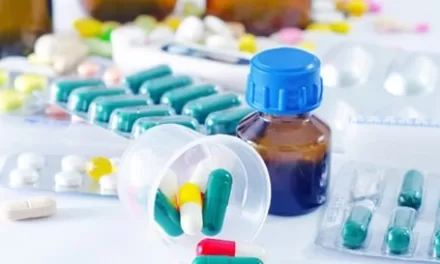
In August 2025, routine drug surveillance by India’s Central Drugs Standard Control Organisation (CDSCO) identified 32 drug samples as “not of standard quality” (NSQ) at central laboratories, with state drug testing labs adding 62 more NSQ samples, according to a health ministry update issued in September. Additionally, three spurious drug samples were detected in Bihar, manufactured by unauthorized producers using registered brand names. These findings emphasize ongoing regulatory vigilance to ensure drug quality and patient safety across India.
Key Findings and Developments
The CDSCO conducted routine quality surveillance of pharmaceutical products throughout August 2025. The results identified 32 drug samples tested at central laboratories in Kolkata, Mumbai, Hyderabad, Guwahati, and Chandigarh as NSQ. State laboratories found an additional 62 NSQ samples.
The flagged NSQ drugs spanned a variety of commonly used medications, including:
-
Paracetamol tablets
-
Pantoprazole tablets (used for gastrointestinal conditions)
-
Domperidone tablets (for digestive disorders)
-
Ambrospas tablets (muscle relaxant)
Separately, three spurious drug samples were discovered in Bihar. These included batches of Pan D and Pan 40—medications used to treat acid reflux—and a diazepam injection prescribed for anxiety and muscle spasms. The spurious drugs were produced by unauthorized manufacturers unlawfully using brand names owned by licensed companies.
A drug is declared NSQ based on failure to meet one or more quality parameters such as:
-
Dissolution (how a drug dissolves in the body)
-
Uniformity of weight
-
Assay of active pharmaceutical ingredients (API concentration)
Drugs are classified as spurious when illegally manufactured without proper authorization, frequently involving counterfeit branding.
Context and Background
India’s pharmaceutical market is vast and complex, with thousands of manufacturers supplying both domestic and international markets. The CDSCO, under the Ministry of Health and Family Welfare, coordinates with state drug authorities to ensure drug quality through routine sampling and rigorous laboratory testing as mandated by the Drugs and Cosmetics Act.
The identification of NSQ and spurious drugs occurs regularly as part of this surveillance to detect and remove compromised medicines from circulation.
In addition to laboratory testing, CDSCO has advocated for barcoding and QR code technology to enhance drug traceability and prevent counterfeit products from entering the supply chain. Measures including warnings, license suspensions, and production halts are employed against manufacturers violating quality standards.
Public Health Implications
The detection of NSQ and spurious drugs, especially widely used medicines for pain relief, gastrointestinal conditions, and anxiety, underscores ongoing challenges in pharmaceutical quality control. Patients relying on these medications must ensure they obtain drugs from authorized pharmacies and remain vigilant.
For the general public, the key takeaway is that although certain batches were found NSQ or spurious, this does not indicate that all drugs of the same brands are affected. The failures are batch-specific, reassuring consumers that most medicines remain safe when bought from legitimate sources.
Healthcare providers should remain alert about potential variability in drug quality and report suspected substandard or counterfeit drugs to authorities for timely investigation.
Limitations and Counterarguments
While drug samples failing quality testing are concerning, they represent a fraction of the overall market. Testing is typically focused on randomly selected batches, and not all marketed drugs are tested each month.
The CDSCO clarifies that NSQ findings apply only to the specific tested batches and do not necessarily reflect on the entire production line of the drug manufacturers. Some criticisms of the regulatory process highlight delays between identification and removal from market shelves, which authorities are striving to reduce.
Medical Disclaimer
Medical Disclaimer: This article is for informational purposes only and should not be considered medical advice. Always consult with qualified healthcare professionals before making any health-related decisions or changes to your treatment plan. The information presented here is based on current research and expert opinions, which may evolve as new evidence emerges.
References
-
Central Drugs Standard Control Organisation, Ministry of Health and Family Welfare, Government of India, NSQ and Spurious Drugs Monthly Update, August 2025.