 0
0
 0
0
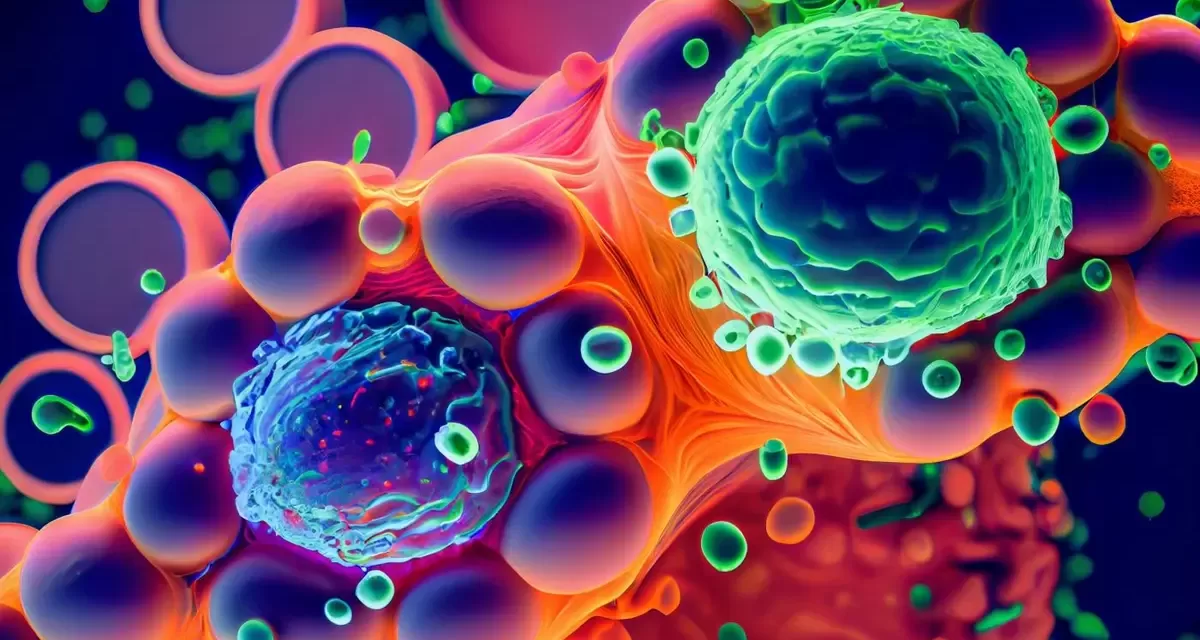
Researchers at the CSIR-Centre for Cellular and Molecular Biology (CSIR-CCMB) in Hyderabad have discovered a remarkable cellular mechanism that challenges long-standing beliefs about cell death. Published recently in the EMBO Journal, this study reveals that cells possess a built-in, highly programmed ability to “revive” from near-death states through a process termed Programmed Cell Revival (PCR). This discovery has profound implications for tissue repair, regenerative medicine, and cancer treatment.
Scientists led by Dr. Santosh Chauhan demonstrated that the PCR process reactivates developmental, metabolic, and immune pathways within cells to restore their full function. The team showed that this revival enhanced skin wound healing and corneal repair in mice, stimulated tail regrowth in frog tadpoles, improved nerve repair in worms, and increased blood stem cell production in fruit flies. These experimental results suggest that the ability to revive from near-death is conserved across diverse organisms, overturning the belief that once cell death begins, it cannot be reversed .
“This is not just accidental survival but a common mechanism across organisms that can restore cell function,” said Dr. Chauhan. “Our discovery reshapes how we think about life, death, and healing at the cellular level.” This programmed revival mirrors aspects of developmental growth and demonstrates cellular plasticity that was previously unappreciated .
The team has filed patents in India and internationally for this novel finding, highlighting its potential in accelerating tissue repair and regeneration therapies. However, they also caution that this revival process could pose risks in cancer contexts. Cells thought to be dead after treatment may instead revive with enhanced stem-like properties, potentially leading to more aggressive tumor behavior and reduced effectiveness of conventional cancer therapies .
Expert Perspectives and Context
Dr. Anita Sharma, a cellular biologist not involved with the study, commented, “This research is a game-changer. It challenges the dogma of irreversible cell death and opens up new questions about how we might harness or inhibit this process for health benefits or disease control.” She noted the dual-edged nature of the discovery, emphasizing the need for further studies in clinical settings to understand the implications fully.
Historically, cell death was viewed as a one-way path culminating in apoptosis or necrosis, with no chance for reversal. This discovery indicates the presence of an intrinsic cellular program that can suspend or reverse death processes, akin to pressing a biological “reset” button during injury or stress.
Public Health Implications
By harnessing Programmed Cell Revival, it may be possible to enhance healing for chronic wounds, burns, and neurological injuries, conditions that currently lack effective treatments. Accelerated tissue repair could reduce recovery times and healthcare costs, especially in aging populations prone to slower healing.
Conversely, understanding how cancer cells exploit this process to evade death could lead to improved anti-cancer strategies. Drugs may need to be redesigned to ensure they target truly dead cells or block the revival pathways to prevent tumor recurrence and metastasis.
Limitations and Critical Considerations
While results in animal models are promising, human applications remain preliminary. Differences in complexity between species mean the revival mechanisms and safety profiles must be thoroughly evaluated in human cells and clinical trials.
Moreover, the potential for cancer cells to hijack PCR highlights a critical limitation; regenerative benefits come with risks of unintended cell survival and growth. A balanced approach to therapeutic development, integrating oncology and regenerative medicine, is essential.
Conclusion
The discovery of Programmed Cell Revival ushers in a new understanding of cellular life cycles and healing. It holds promise for revolutionizing regenerative medicine while presenting challenges in cancer treatment. Ongoing research is needed to translate these fundamental insights into safe, effective therapies that improve patient outcomes.
Medical Disclaimer: This article is for informational purposes only and should not be considered medical advice. Always consult with qualified healthcare professionals before making any health-related decisions or changes to your treatment plan. The information presented here is based on current research and expert opinions, which may evolve as new evidence emerges.
References:
- https://tennews.in/cells-can-revive-from-brink-of-death-find-csir-ccmb-scientists/