 0
0
 0
0
Dr. Kirk Milhoan, the newly appointed chair of the U.S. Centers for Disease Control and Prevention’s (CDC) Advisory Committee on Immunization Practices (ACIP), has publicly questioned the need for routine polio vaccinations, emphasizing individual choice over broad public health mandates. In a January 22, 2026, podcast interview, Milhoan argued that advances in sanitation and medical care have reduced polio risks, suggesting vaccinations should be optional decisions between patients and providers. This stance comes amid sweeping changes to U.S. vaccine policy under Health Secretary Robert F. Kennedy Jr., raising alarms among experts about potential outbreaks of preventable diseases.
Background on ACIP and Recent Overhaul
The ACIP advises the CDC on vaccine recommendations that influence insurance coverage, school mandates, and public health strategies. In June 2025, Kennedy dismissed all prior members—accused of pharmaceutical bias—and appointed a new panel including vaccine skeptics like Milhoan, a pediatric cardiologist with missionary experience. The reconstituted committee has already narrowed universal childhood vaccine recommendations from 17 to 11 diseases, shifting others like hepatitis B and rotavirus to “shared decision-making.”
Milhoan, who recently faced termination from a pediatric practice, prioritizes “individual autonomy” over herd immunity concerns. He likened past ACIP members to “puppets” and vowed rigorous safety reviews, including for long-established shots. These shifts align with President Trump’s administration policies but diverge from decades of evidence-based guidelines.
Dr. Milhoan’s Controversial Claims
During the “Why Should I Trust You?” podcast, Milhoan stated, “Our sanitation practices have evolved, and the risk of disease has altered. These factors contribute to the assessment of whether the risks associated with vaccination are justified.” He extended doubts to measles vaccines, calling mandates harmful to trust and framing consent as essential to avoid “medical battery.” Milhoan credits improved hygiene—not vaccines—for polio’s decline, despite global data showing immunization’s role.
A board-certified pediatric cardiologist (MD from Jefferson Medical College, PhD from UCSD), Milhoan focuses on vaccine-related issues like spike protein toxicity, per his bio with the Independent Medical Alliance. He did not respond to Reuters’ requests for comment.
Polio’s History and Vaccine Success
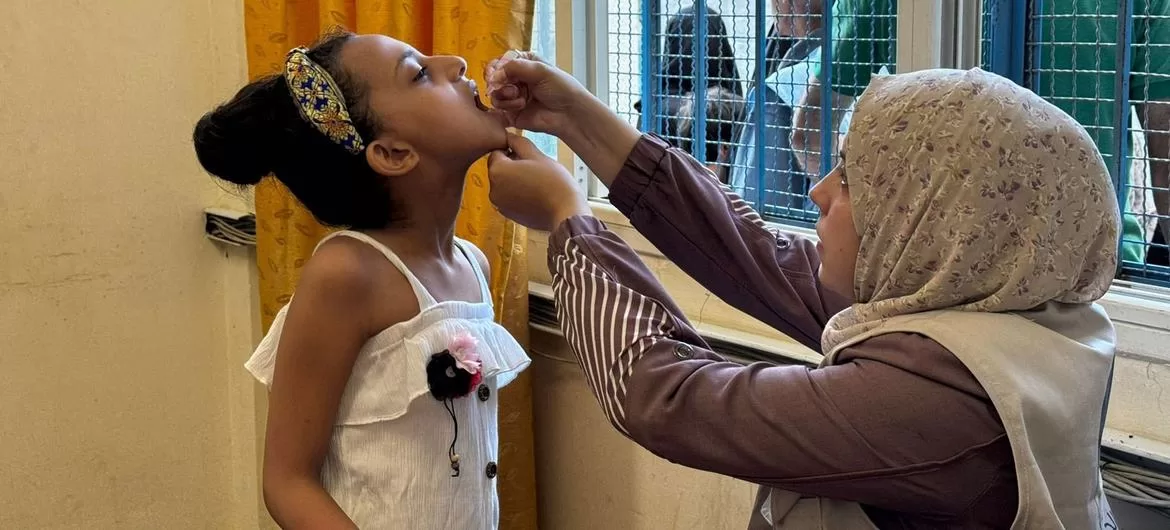
Poliomyelitis, caused by poliovirus, can paralyze or kill, invading the nervous system. Before Jonas Salk’s inactivated polio vaccine (IPV) in 1955, U.S. epidemics peaked at 58,000 cases in 1952. Global efforts since 1988 have reduced cases 99.9%, from 350,000 to under 100 annually, endemic only in Pakistan and Afghanistan.
CDC recommends four IPV doses for children: at 2, 4, 6-18 months, and 4-6 years. U.S. polio-free since 1979, a 2022 New York case (vaccine-derived) highlighted risks from falling coverage, now below 95% pre-COVID. Oral polio vaccine (OPV) cessation globally aids eradication, but IPV remains key.
| Metric | Pre-Vaccine Era (U.S.) | Post-Vaccine (Global) |
|---|---|---|
| Annual Cases | ~35,000 paralysis cases | 99.9% reduction since 1988 |
| U.S. Status | Endemic epidemics | Polio-free since 1979 |
| Current Risk | Low domestically; travel/import | Endemic in 2 countries |
Expert Backlash and Warnings
The American Medical Association (AMA) decried Milhoan’s views as a “perilous regression,” warning of increased child exposure to viruses. Dr. Peter Hotez, Dean of Tropical Medicine at Baylor, called the ACIP “discredited,” noting professionals’ dismissal of its guidance. Dr. Sean O’Leary, American Academy of Pediatrics infectious disease chair, labeled it “ideological, not science-based,” risking lives.
National Foundation for Infectious Diseases criticized prior ACIP votes for misrepresenting data and anti-vaccine framing. With U.S. measles transmission ongoing—threatening elimination status—experts fear polio resurgence amid hesitancy. Hotez emphasized: “Vaccines protect children and save lives.”
Public Health Implications
Routine polio vaccination achieves >99% efficacy after three doses, preventing importation or circulation. Declining U.S. rates (e.g., <95% kindergarten coverage) mirror 2022’s wastewater detections. Optional recommendations could exacerbate disparities, hitting underserved communities hardest—ironically Milhoan’s mission focus.
For parents, this means weighing travel risks or outbreaks; adults born post-1970s may need boosters. Schools rely on ACIP for mandates; changes could fuel exemptions, per state laws. Globally, U.S. policy influences; weakening trust hampers eradication.
Limitations and Counterpoints
Milhoan’s sanitation argument overlooks vaccine-driven eradication; hygiene alone failed pre-1955. Critics note his panel lacks diverse expertise, with hasty processes invalidating votes. No new polio safety data justifies review; IPV’s profile is exemplary, with rare mild side effects.
Balanced view: Autonomy matters, but herd immunity protects vulnerables (e.g., immunocompromised). Shared decisions suit low-risk vaccines, but polio’s severity demands universal push, experts say. Ongoing ACIP scrutiny of HPV, flu, and schedules signals more flux.
Medical Disclaimer: This article is for informational purposes only and should not be considered medical advice. Always consult with qualified healthcare professionals before making any health-related decisions or changes to your treatment plan. The information presented here is based on current research and expert opinions, which may evolve as new evidence emerges.
References:
-
Douglas, L. (2026-01-23). US vaccine panel head questions polio recommendation. Reuters. https://www.reuters.com/business/healthcare-pharmaceuticals/us-vaccine-panel-head-questions-polio-recommendation-2026-01-23/[reuters]