 0
0
 0
0
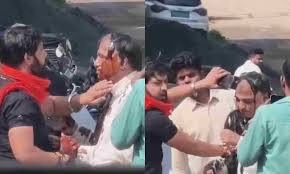
In a disturbing incident in Sidhi district, Madhya Pradesh, a 64-year-old civil surgeon at the Sidhi Government Hospital was publicly humiliated when a Shiv Sena worker and his associates poured black ink on the doctor’s face. This shocking event occurred on a recent day in November 2025, and the assault was reportedly in retaliation to accusations that the senior doctor was running a private clinic during his government duty hours and neglecting patients, allegedly contributing to recent patient deaths at the hospital. A video of the incident circulated widely on social media, igniting outrage among healthcare professionals and the broader public.
Key Incident Details
The assailant, identified as a Shiv Sena worker and his supporters, confronted the doctor publicly, accusing him of dereliction of duty. The act of pouring and smearing ink—symbolizing disgrace—was caught on video, which further amplified the incident’s visibility and condemnation. Following the event, the doctor filed a formal complaint, leading to a police FIR and the arrest of the accused and others involved.
Context and Background
India has been grappling with increasing episodes of violence and harassment against healthcare workers, especially doctors in government hospitals. Studies indicate that violence against doctors in India is alarmingly prevalent; research published in the National Institutes of Health (NIH) database reveals that up to 75% of doctors experience some form of workplace violence during their careers. The perpetrators are often patients or their relatives, with reasons ranging from perceived negligence to dissatisfaction with hospital management and resource constraints.
The Sidhi incident fits this broader, troubling trend where doctors, despite their commitment and decades of service, face threats and humiliation. Experts emphasize that such violence not only affects the personal safety and mental well-being of healthcare workers but also undermines public health by creating an environment of fear and mistrust in healthcare institutions.
Expert Perspectives
Dr. Meera Sharma, an independent healthcare policy analyst, commented, “Physical and verbal attacks on medical professionals are a grave concern that demands urgent attention both legally and culturally. Incidents like this discourage skilled professionals from working in government hospitals, worsening healthcare access for vulnerable populations.”
Another physician, who wished to remain anonymous, said, “Such violent acts are devastating for morale. Doctors dedicate their lives to patient care, and accusations without due process can severely damage their careers and mental health.” These expert insights underline the critical need for systemic measures to protect healthcare workers and uphold respect for the medical profession.
Public Health Implications
Violence in healthcare settings has far-reaching consequences. It can precipitate workforce shortages as doctors may transfer out of high-risk public facilities or leave clinical practice altogether. This dynamic hinders the delivery of quality healthcare, particularly in resource-limited regions like Sidhi. Moreover, public trust in healthcare systems erodes, potentially leading to delayed care-seeking or reluctance to follow medical advice.
The Indian government has recognized the severity of this problem, passing laws that prescribe penalties including hefty fines and imprisonment for those attacking healthcare workers. However, enforcement gaps and societal attitudes continue to challenge effective deterrence.
Counterarguments and Limitations
While no act of violence can be justified, some in the community argue that healthcare workers adopt dual practices, serving private patients during public duty hours, thereby compromising government hospital care. Such perceived misuse of resources fuels frustration and resentment among patients and local political entities. Without transparent hospital monitoring and clear professional boundaries, these tensions escalate. Nevertheless, addressing grievances should be lawful and nonviolent.
Practical Implications for Readers
For health-conscious consumers and patients, this incident emphasizes the importance of constructive communication with healthcare providers and utilizing patient forums or hospital complaint mechanisms to address care concerns. Recognizing the pressures doctors face and supporting efforts to improve hospital accountability can foster safer environments for both patients and practitioners.
Medical Disclaimer: This article is for informational purposes only and should not be considered medical advice. Always consult with qualified healthcare professionals before making any health-related decisions or changes to your treatment plan. The information presented here is based on current research and expert opinions, which may evolve as new evidence emerges.
References: