 0
0
 0
0
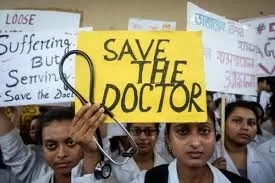
Caught on camera recently, a doctor on duty at the Government sub-district hospital in Niwai, Rajasthan, was verbally abused and physically attacked by a patient’s attendant, sustaining injuries and raising serious concerns about healthcare worker safety in India. Despite the severity of the assault, police reportedly delayed filing a First Information Report (FIR), with rumors of political interference. This incident has sparked outrage among local doctors and underscores the growing issue of violence against healthcare professionals across India.
Key Incident and Context
The assaulted doctor, Dr. Arun, was attacked while performing his duties at Niwai Hospital. The patient’s attendant verbally abused him before escalating to physical violence, resulting in injuries. Doctors at the hospital, and across the region, have expressed shock and frustration over this episode, demanding robust protection measures. Police response was notably slow, and this inaction has further fueled anger among medical staff and the community.
Healthcare violence in India is a well-documented and escalating problem. A nationwide survey by the Indian Medical Association (IMA) found more than one-third of doctors feel unsafe at their workplace, with nearly 10% feeling completely unsafe, especially during night shifts. Factors aggravating this issue include poor hospital infrastructure, inadequate security, and overcrowding, which create a volatile environment. Female doctors also report harassment, prompting some to carry protective items like pepper spray.
Research and Expert Insights
Scientific studies have highlighted alarming statistics about workplace violence (WPV) against healthcare workers in India. Around 60-80% of healthcare providers report experiencing some form of verbal or physical abuse during their careers, with younger, female, and less experienced workers at higher risk. The causes are multifactorial: communication gaps, systemic deficiencies, cultural expectations, patient or bystander behavior, and hospital conditions. Consequences include psychological trauma, stress, defensive medicine, and increased turnover among healthcare providers.
Experts emphasize that WPV not only endangers healthcare providers physically and mentally but also compromises patient care quality. Dr. Rajeev Jayadevan, chairman of the Kerala IMA research cell, notes that improved infrastructure, security personnel, and legislative enforcement are crucial to addressing this issue. The Prevention of Violence Against Healthcare Professionals Act passed by the Indian government sets jail terms of up to seven years for offenders, yet enforcement remains inconsistent.
Implications for Public Health and Safety
The rise in violence against healthcare workers has immense public health consequences. Medical professionals working under threat may become reluctant to provide timely, empathetic care, or might alter decision-making to avoid confrontations—potentially compromising patient safety. Furthermore, the mental toll on doctors can lead to burnout, absenteeism, and attrition, exacerbating the shortage of skilled healthcare workers in India.
For patients and the community, this trend demands awareness and systemic change. Advocating for respectful healthcare interactions, improving hospital security measures, and supporting legislative actions to protect medical staff will be critical steps. Healthcare institutions must implement strict safety protocols such as secure duty rooms, CCTV surveillance, crowd control, and rapid response teams to mitigate risks.
Limitations and Counterpoints
While studies document widespread WPV, underreporting remains a significant challenge due to fear of retaliation, lack of support, and procedural barriers to filing complaints. Also, much research focuses on doctors, with comparatively less on nurses and other frontline workers who face similar or even greater risks. Critics caution against viewing violence solely as a symptom of lawlessness; systemic healthcare deficiencies like overcrowding, delays, and poor communication also escalate tensions. Thus, multi-pronged strategies addressing social, administrative, and infrastructural issues are necessary.
Medical Disclaimer: This article is for informational purposes only and should not be considered medical advice. Always consult with qualified healthcare professionals before making any health-related decisions or changes to your treatment plan. The information presented here is based on current research and expert opinions, which may evolve as new evidence emerges.
References:
-
On-duty doctor attacked at Niwai Hospital, Medical Dialogues, Rumela De Sarkar, Nov 25, 2025, https://medicaldialogues.in/news/health/doctors/caught-on-camera-on-duty-doctor-attacked-at-niwai-hospital-159412medicaldialogues