 0
0
 0
0
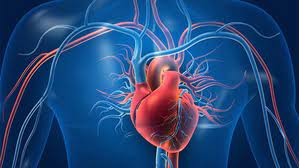
India is facing a critical public health challenge, with cardiovascular diseases (CVDs) now causing nearly one in three deaths across the nation, according to a newly released government report published on September 4, 2025. This data highlights the urgency for both policymakers and individuals to prioritize heart health, as the country experiences an unprecedented surge in CVD-related fatalities among adults and younger populations alike.
Key Findings from Latest Reports
The Registrar General of India’s recently unveiled Report on Causes of Death: 2021–2023 shows that cardiovascular diseases account for approximately 31% of all deaths nationwide. Non-communicable diseases (NCDs) overall are responsible for 56.7% of mortalities, surpassing communicable, maternal, and nutritional conditions. Other leading causes include respiratory infections (9.3%), cancers (6.4%), chronic respiratory diseases (5.7%), and diabetes mellitus (3.5%).
For people over age 30, CVDs are the top killer. Alarmingly, Indian studies show heart attacks are striking younger adults: 50% of heart attacks in Indian men occur before age 50, and 25% before age 40.
Expert Commentary
Dr. Balbir Singh, Chairman of Cardiology at a major New Delhi hospital, described the findings as “a wake-up call for Indian healthcare and society,” noting that the early onset and rapid rise in heart disease reflect changes in diet, urbanization, and stress levels. “Heart disease is a lifestyle-related condition—but it’s largely preventable with targeted public health action,” Singh emphasized.
Dr. Vivekananda Gajapati, Chief Consultant Cardiologist at SDM Narayana Heart Centre, Dharwad, added, “Obesity, high blood pressure, and poor diet are silent drivers behind these numbers. Prevention must address underlying risk factors and improve heart-healthy habits across communities”.
Background and Contributing Factors
The shift towards NCDs such as CVDs is evident in India’s health landscape; infectious diseases have declined, while chronic conditions have surged due to aging populations, sedentary lifestyles, and dietary habits. CVDs strike Indians a decade earlier on average than their Western counterparts, with higher incidence and case fatality rates. Urban areas have a higher prevalence (12%) compared to rural regions (6%), and women now exhibit slightly greater rates than men.
According to World Health Organization (WHO) and Global Burden of Disease studies, India’s age-standardized CVD mortality rate (272–282 deaths per 100,000) outpaces the global average. The World Economic Forum projects India could face $2.17 trillion in economic losses due to heart disease between 2012 and 2030.
Public Health Implications
With a third of deaths now tied to cardiovascular conditions, India’s health system must adapt. Experts recommend urgent action in several areas:
-
Lifestyle Changes: Promoting heart-healthy diets rich in fruits, vegetables, and whole grains; increasing regular physical activity to a minimum of 150 minutes per week.
-
Risk Factor Management: Controlling blood pressure, cholesterol, and blood sugar; supporting smoking cessation and stress management.
-
Early Detection and Treatment: Improving screening, access to care, and adherence to prescribed medications, especially for high-risk groups and underserved populations.
-
Health Policy: Reinforcing preventive programs, urban health initiatives, and strengthening community health infrastructure.
“Cardiovascular health isn’t just about exercise and salads. It’s sleep, stress, air, access, and even your gut,” said Dr. Promod Chadha, a Mumbai-based cardiologist, underscoring the need for holistic interventions.
Counterpoints and Limitations
While the reported data uncovers broad trends, experts caution about gaps in diagnosis and reporting. Ill-defined causes accounted for over 10% of recorded deaths—reflecting limitations in rural diagnostics and incomplete health records. Socioeconomic disparities also exacerbate the epidemic, with poorer communities facing higher risk and lower therapy access.
Additionally, estimating the true burden of heart disease remains complex: figures may be affected by regional variations, underreporting, and shifting population demographics. Researchers call for improved surveillance, better funding, and robust data collection across all states.
Practical Implications for Individuals
Given the evidence, individuals can take concrete steps to reduce personal risk:
-
Eat a balanced diet, emphasizing plant-based foods, healthy fats, and lean proteins.
-
Engage in regular aerobic activity—walking, cycling, or swimming—for at least 30 minutes most days.
-
Avoid tobacco and moderate alcohol intake.
-
Monitor blood pressure, blood sugar, and cholesterol—especially for those with family history or other risk factors.
-
Seek timely medical advice and adhere to prescribed treatments.
As Dr. Roy notes, “We must recognize that our genetics may predispose us to higher risk, but it’s our lifestyle choices that tip the balance. Prevention is possible—if we act.”
Medical Disclaimer
Medical Disclaimer: This article is for informational purposes only and should not be considered medical advice. Always consult with qualified healthcare professionals before making any health-related decisions or changes to your treatment plan. The information presented here is based on current research and expert opinions, which may evolve as new evidence emerges.
References