 0
0
 0
0
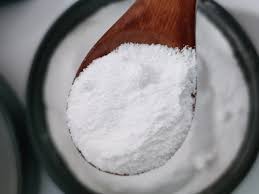
A leading cardiologist and functional medicine expert, Dr. Alok Chopra, has highlighted allulose as a rare sugar alternative that could benefit individuals seeking to manage their blood sugar and insulin levels. In a recent social media post, Dr. Chopra explained that allulose offers the sweet taste of sugar—about 70% as sweet—without causing the blood sugar or insulin spikes typically associated with regular sugar consumption.
Key Benefits of Allulose
-
Low Calorie Content: Allulose contains just 0.2-0.4 calories per gram, making it about one-tenth as caloric as regular sugar.
-
Blood Sugar Friendly: With a low glycemic index, allulose improves insulin sensitivity and reduces post-meal glucose spikes, making it suitable for those with diabetes or insulin resistance.
-
Fat Reduction and Metabolic Boost: Research suggests that allulose can help increase fat burning, reduce body fat, and promote satiety.
-
Organ Protection and Anti-Inflammatory Effects: The sugar alternative is considered safe for the liver, kidneys, and fat tissues, while also helping to reduce inflammation and oxidative stress.
-
Supports Energy and Performance: Allulose may enhance mitochondrial function, improve endurance, and protect against diabetic nephropathy.
Natural and Commercial Sources
Allulose is naturally present in small amounts in foods such as wheat, figs, raisins, molasses, maple syrup, jackfruit, and kiwi, as well as in caramel, juices, and coffee. However, due to its limited natural availability, most commercial allulose is produced by enzymatically converting fructose derived from corn or sugar beets.
Comparison with Other Sugar Substitutes
Dr. Chopra noted that while other alternatives like stevia, Truvia, monk fruit extract, coconut sugar, date sugar, erythritol, and xylitol exist, they can have drawbacks such as aftertastes, digestive discomfort, or potential impacts on the gut microbiome and insulin response. In contrast, allulose stands out for its sugar-like taste, minimal aftertaste, and lack of known gut side effects when consumed in moderate amounts.
Safety and Regulatory Status
Studies have shown no toxicity with daily consumption of 5-15 grams of allulose for up to 12 months. While allulose is approved in many countries, including the United States, it is currently banned in Canada due to ongoing concerns about its long-term use, though no definitive harm has been established. Dr. Chopra advises consumers to use allulose with awareness and moderation.
Disclaimer: This article is for informational purposes only and is not a substitute for professional medical advice. Always consult your doctor with any questions regarding a medical condition or dietary changes.