 0
0
 0
0
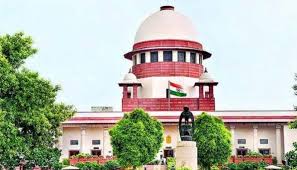
The Supreme Court of India is currently considering a significant legal plea concerning reservation for transgender candidates in the National Eligibility-cum-Entrance Test for Postgraduate medical courses (NEET-PG) 2025 admissions. The issue revolves around whether and how reservation benefits should be extended to transgender persons within the highly competitive and crucial medical postgraduate admission process. The hearing comes in the wake of the landmark 2014 NALSA judgment, which recognized transgender persons as a third gender and affirmed their rights, including entitlement to affirmative action.
As of mid-September 2025, the Supreme Court bench headed by Chief Justice B.R. Gavai and Justice K. Vinodchandran heard arguments but declined immediate interim relief requests to keep seats vacant for transgender candidates ahead of counselling. Senior Advocate Indira Jaising, representing petitioners from the transgender community, argued that despite the NALSA ruling, the Union and state governments had failed to implement specific reservations for transgender persons effectively in NEET-PG admissions. The petitioners sought horizontal reservation by reserving approximately 1% of seats across all categories, including All India and various state quotas such as Tamil Nadu and Andhra Pradesh.
Key Developments and Court Proceedings
The hearing revealed the Court’s concerns about the operational difficulties of reserving seats in advance without clear guidelines, with the Chief Justice noting, “We cannot keep seats everywhere in limbo.” The bench expressed apprehension that reserving specific seats ahead of counselling could create admissions uncertainty. The National Medical Commission counsel also noted that counselling for postgraduate courses had not begun, suggesting no immediate urgency for interim orders.
The petitioners originally included Kiran A.R. and others, but Kiran A.R. withdrew from the case, leaving the claimants from Other Backward Classes (OBC) and general categories to pursue the matter. Indira Jaising requested a pragmatic interim order to reserve two seats in the All India quota and one each in Tamil Nadu and Andhra Pradesh state quotas as a temporary measure until the Court decides the larger issue.
The plea challenges the NEET-PG notification for not allowing transgender candidates to participate adequately in counselling or seat allocation processes. It also calls for clarity on whether transgender reservation should be treated as horizontal—benefiting all eligible transgender candidates regardless of their vertical category (like SC, ST, OBC, or General)—which would ensure broader inclusion.
Context and Background
The 2014 Supreme Court judgment in NALSA v. Union of India was a watershed moment for transgender rights, legally recognizing transgender individuals as a third gender and affirming their right to affirmative action, including reservations in education and employment. However, states and central authorities have shown uneven implementation of these provisions, especially in professional education sectors.
In medical education, reservations are typically allotted both vertically (to categories such as SC/ST/OBC) and horizontally (to specific groups like persons with disabilities). The petitioners argue that transgender persons must receive horizontal reservation while preserving their rights across vertical categories as well.
Implications for Public Health and Medical Education
Extending reservations inclusively to transgender candidates in medical education aligns with broader public health goals of equity and diversity. Increasing representation of transgender persons in healthcare professions can help address health disparities faced by this community, including discrimination and poor access to culturally competent care.
Medical professionals from diverse gender identities can contribute to more sensitive, respectful patient care environments. With transgender persons often having unique health needs—such as gender-affirming care, mental health concerns, and chronic health disparities—their inclusion in medical training empowers a workforce better equipped to serve marginalized communities.
Expert Commentary
Dr. Meera Singh, a public health specialist familiar with health equity, notes, “Recognizing and implementing transgender reservation in medical education is an important step toward reducing systemic barriers faced by this population. However, any policy must be implemented with clarity to avoid administrative confusion and ensure actual access to training opportunities.”
Legal expert Advocate Raghav Sharma explained, “The Supreme Court is balancing recognition of transgender rights with the practical challenges of admissions policy—this is a nuanced issue requiring collaborative solutions between judiciary, government, and educational bodies.”
Potential Limitations and Counterpoints
Critics caution that reservation implementation without clear frameworks could disrupt admission timelines and fairness for other candidates. Moreover, the exact percentage of seats to be reserved and method of reservation—whether horizontal or vertical—remain contentious and unresolved pending judicial clarity.
There are also legal and procedural questions about how cut-off marks should be adjusted, if at all, for transgender candidates under reservation policies. Conflicting orders from various High Courts across India have added to the ambiguity.
Practical Implications for Readers
For aspiring transgender medical students, this ongoing case highlights critical legal advocacy for their inclusion and rights within medical education systems. While awaiting final judicial guidance, candidates should stay updated on counselling and admission notices from the National Medical Commission and respective state authorities.
For the general public and healthcare stakeholders, this development underscores evolving recognition of transgender health rights in India. Broader inclusion in medical professions can improve healthcare quality and accessibility for transgender communities.
Medical Disclaimer: This article is for informational purposes only and should not be considered medical advice. Always consult with qualified healthcare professionals before making any health-related decisions or changes to your treatment plan. The information presented here is based on current research and expert opinions, which may evolve as new evidence emerges.
References