 0
0
 0
0
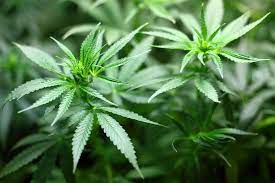
As cannabis legalization sweeps across the globe, a massive new analysis is sounding a loud alarm for public health. According to a comprehensive study published in the prestigious journal Heart, individuals who use cannabis may face twice the risk of dying from cardiovascular disease compared to non-users.
The findings, based on data from nearly 200 million participants, also link cannabis use to a 29% higher risk of acute coronary syndrome (heart attack) and a 20% increased risk of stroke. As the perception of cannabis shifts from a “controlled substance” to a common wellness or recreational product, medical experts are calling for a radical shift in how the public views the drug’s safety profile—likening its potential harms to those of tobacco.
A Deep Dive into the Data: 200 Million Lives Analyzed
The research is not a single trial but a “pooled analysis”—a method where scientists combine data from multiple high-quality studies to find broader patterns. Researchers scrutinized 24 real-world studies, including cohort and case-control data. By aggregating such a vast population, the study provides some of the strongest evidence to date regarding the physiological impact of cannabis on the human heart.
Key Findings at a Glance
The analysis revealed three primary areas of concern for cannabis users:
-
Cardiovascular Mortality: A 100% increase (doubling) in the risk of death from heart-related causes.
-
Acute Coronary Syndrome (ACS): A 29% increased risk of conditions like heart attacks, where blood flow to the heart is suddenly blocked.
-
Stroke: A 20% increased risk of a “brain attack,” which occurs when blood flow to the brain is interrupted.
“The magnitude of the risk identified in this study is striking,” says Dr. Elena Rossi, a cardiologist not involved in the research. “For years, the conversation around cannabis has focused on its psychological effects or its medicinal benefits for pain. This data forces us to look at the heart, which appears to be a major target for cannabis-related toxicity.”
The Biological Connection: How Cannabis Affects the Heart
To understand why cannabis might be damaging the cardiovascular system, we must look at how its active compounds—specifically delta-9-tetrahydrocannabinol (THC)—interact with the body.
When cannabis is consumed, THC enters the bloodstream and binds to cannabinoid receptors (CB1 and CB2) located throughout the cardiovascular system. This interaction can trigger several immediate physical responses:
-
Increased Heart Rate (Tachycardia): Within minutes of use, the heart rate can jump by 20 to 50 beats per minute.
-
Blood Pressure Fluctuations: Cannabis can cause blood pressure to spike or drop suddenly, putting stress on vessel walls.
-
Oxidative Stress: The combustion of cannabis, similar to tobacco, releases carbon monoxide and particulate matter that can damage the lining of the arteries (the endothelium).
“Think of it like an engine being redlined while the fuel line is partially pinched,” explains Dr. Rossi. “The heart is working harder and requiring more oxygen at the exact moment the drug may be causing vascular changes that limit blood supply.”
The “Health Halo” and High-Potency Concerns
The study authors emphasize that public perception has been “sanitized” by the wave of legalization. As more countries and states move toward recreational and medicinal use, many consumers have developed a “health halo” perspective—viewing cannabis as a natural, and therefore harmless, alternative to alcohol or tobacco.
However, today’s cannabis is not the same as the varieties used in the 1970s. Modern cultivation techniques have led to “high-potency” formulations where THC concentrations can exceed 20% to 30%, compared to roughly 4% in previous decades. The researchers suggest that this increased potency may be a driving factor in the heightened cardiovascular risks observed in recent years.
The Tobacco Comparison: A New Regulatory Framework?
In an editorial accompanying the study, public health experts argue that it is time to stop treating cannabis as a “soft” drug. Instead, they suggest it should be regulated with the same rigor as tobacco.
“We don’t need to criminalize the user, but we do need to protect the public,” the editorial notes. This includes:
-
Strict Age Limits: Preventing use in adolescents whose cardiovascular and nervous systems are still developing.
-
Secondhand Exposure Laws: Implementing “clean air” mandates to protect non-users from inhaled smoke.
-
Clear Labeling: Requiring heart health warnings on all cannabis packaging, including edibles and oils.
Limitations and Nuance: What We Don’t Know Yet
While the data is compelling, the scientific community maintains a level of cautious objectivity. Because this was an observational pooled analysis, it cannot definitively prove that cannabis causes heart attacks—only that there is a strong association between the two.
Confounding Factors: Many cannabis users also smoke tobacco or use alcohol, which are known cardiovascular stressors. While researchers try to “adjust” for these variables, it is difficult to isolate the effects of cannabis perfectly.
Method of Consumption: The study primarily looks at inhaled cannabis. Further research is desperately needed to determine if edibles, oils, and topicals carry the same level of risk, as these bypass the immediate pulmonary (lung) stress of smoking but still deliver THC into the bloodstream.
What This Means for You
For the average reader, the takeaway is clear: Cannabis is not a risk-free substance. If you have a history of heart disease, high blood pressure, or a family history of stroke, these findings suggest that cannabis use could significantly exacerbate your risk. Healthcare providers are encouraged to screen patients for cannabis use as part of a standard cardiovascular health assessment.
“If you wouldn’t pick up a cigarette because you’re worried about your heart, you should apply that same logic to cannabis,” says Dr. Rossi. “At the very least, have a transparent conversation with your doctor about your usage habits.”
References
- https://www.emedinexus.com/post/53486/Cannabis-Use-may-Double-Risk-of-Cardiovascular-Death-New-Study-Warns
Medical Disclaimer: This article is for informational purposes only and should not be considered medical advice. Always consult with qualified healthcare professionals before making any health-related decisions or changes to your treatment plan. The information presented here is based on current research and expert opinions, which may evolve as new evidence emerges.