 0
0
 0
0
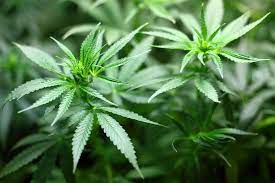
NEW DELHI — In a discovery that could signal a paradigm shift in gynecological oncology, researchers have found that the two primary compounds in cannabis—tetrahydrocannabinol (THC) and cannabidiol (CBD)—exhibit significant anti-tumor activity against ovarian cancer cells.
The study, published recently in the peer-reviewed journal Frontiers, demonstrates that these cannabinoids not only kill cancer cells directly but also inhibit their ability to spread and resist conventional treatments. While THC and CBD are already widely used in palliative care to manage chemotherapy-induced nausea and chronic pain, this new data suggests they may eventually play a direct role in the treatment of the disease itself.
A New Frontier in Ovarian Cancer Research
Ovarian cancer remains one of the most formidable challenges in women’s health. Often dubbed the “silent killer” because its symptoms—such as bloating and abdominal pain—are frequently mistaken for less serious digestive issues, the disease is often diagnosed at advanced stages. In 2025, the United States alone saw an estimated 20,000 new cases and more than 12,000 deaths.
While previous research has explored the anti-cancer properties of cannabinoids in brain, breast, and lung cancers, gynecological cancers have remained largely on the sidelines of this field. This latest study aims to bridge that gap.
The research team, led by Dr. Siyao Tong, an attending obstetrician and gynecologist at the First Affiliated Hospital of Jinzhou Medical University in China, focused on how THC and CBD interact with ovarian cancer biology.
“Our findings align with existing research showing that CBD and THC can act as potential adjuncts to cancer therapy,” says Dr. Tong. “The compounds showed clear inhibitory effects on ovarian cancer cells, effectively slowing the markers associated with tumor growth.”
The Power of the “Entourage Effect”
One of the study’s most significant findings involves the synergy between the two compounds. While both THC (the psychoactive component of cannabis) and CBD (the non-intoxicating component) were effective individually, the researchers discovered that a 1:1 ratio produced the most potent anti-cancer activity.
This phenomenon, often called the “entourage effect,” suggests that the therapeutic impact of the whole plant or combined compounds is greater than the sum of its parts.
Key Findings from the Laboratory:
-
Programmed Cell Death: The compounds triggered apoptosis (cellular suicide) in approximately 25% of the cancer cells tested.
-
Metastatic Inhibition: The cannabinoids reduced the cancer cells’ ability to migrate and invade other tissues, which is the primary cause of cancer lethality.
-
Selective Cytotoxicity: Most importantly, the study found that THC and CBD killed cancer cells at much lower doses than those required to harm healthy cells—a “holy grail” in oncology known as selectivity.
Overcoming Chemo-Resistance
Perhaps the most promising aspect for clinicians is the effect these compounds had on platinum-resistant cancer cells. Platinum-based chemotherapy is the standard of care for ovarian cancer, but many patients eventually develop a resistance to it, leaving them with few remaining options.
The researchers tested the cannabinoids on two distinct cell lines: one sensitive to chemotherapy and one resistant. While the resistant cells required higher doses of THC and CBD to see results, they did respond, suggesting that cannabinoids could provide a new avenue for patients who have exhausted traditional treatments.
“This is a field in urgent need of new approaches,” says Dr. Elena Ratner, a Professor of Obstetrics and Gynecology at the Yale School of Medicine, who was not involved in the research. “While it’s early, these results suggest real potential for a disease that has seen few major breakthroughs in recent years.”
From the Petri Dish to the Patient: A Long Road Ahead
Despite the excitement, experts urge a healthy dose of caution. The study was conducted in a controlled laboratory setting (in vitro), using cell lines rather than living human subjects.
“Laboratory success does not always translate to human success,” notes Dr. Ratner. “We need extensive animal studies and rigorous human clinical trials before these compounds can be integrated into standard treatment protocols.”
The human body is far more complex than a cell culture. Factors such as metabolism, the blood-tumor barrier, and the potential for drug-to-drug interactions must be thoroughly vetted. Furthermore, the “high” associated with THC can be a limiting factor for some patients, though the study suggests that the presence of CBD may help mitigate some psychoactive effects while enhancing the anti-tumor impact.
The Future: An Integrated Approach
Dr. Tong envisions a future where THC and CBD are used as adjunct therapies—treatments given alongside standard chemotherapy to improve outcomes.
“If cannabis can help both symptom control and cancer biology, that would be remarkable,” says Dr. Ratner. For patients already using medical cannabis to manage the grueling side effects of chemotherapy, the possibility that their medicine might also be fighting the tumor is a hopeful prospect.
For now, the medical community remains focused on the next phase of research. The goal is to determine the optimal dosage, the safest delivery methods, and how these compounds might interact with the immune system to further suppress cancer growth.
Statistical Snapshot: Ovarian Cancer in 2025
| Metric | Estimated Figure (U.S.) |
| New Cases | ~20,000 |
| Annual Deaths | ~12,000 |
| 5-Year Survival Rate | ~50% (Averages vary by stage) |
| Late-Stage Diagnosis | ~70% of cases |
References
-
Study Citation: Tong, S., et al. (2025). “The inhibitory effects of THC and CBD on ovarian cancer cell proliferation and migration.” Frontiers in Oncology.
Medical Disclaimer: This article is for informational purposes only and should not be considered medical advice. Always consult with qualified healthcare professionals before making any health-related decisions or changes to your treatment plan. The information presented here is based on current research and expert opinions, which may evolve as new evidence emerges.