 0
0
 0
0
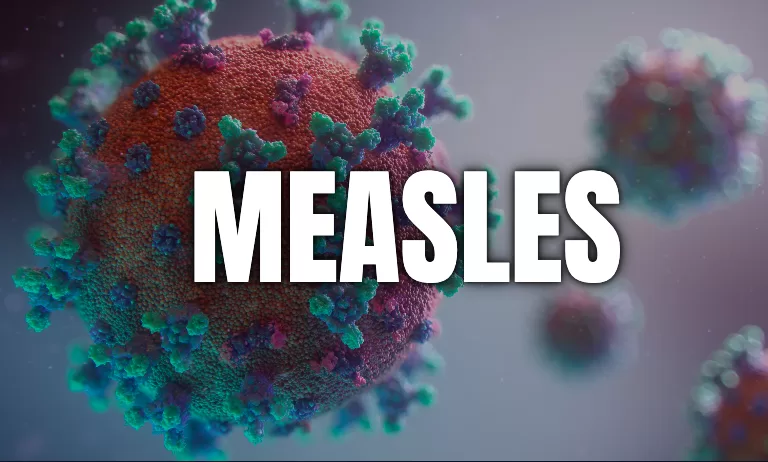
Canada has officially lost its measles elimination status after nearly three decades due to an ongoing outbreak that began in October 2024 and has since spread nationwide. This setback was announced by the Pan American Health Organization (PAHO) on November 10, 2025, marking a reversal from the country’s previous eradication milestone achieved in 1998. The Public Health Agency of Canada confirmed more than 5,000 measles cases this year, predominantly in Ontario and Alberta, with transmission persisting in multiple provinces including British Columbia, Manitoba, and Saskatchewan.
Key Developments and Findings
The current measles outbreak in Canada has been linked primarily to a decline in vaccination rates, which dropped to approximately 82.5% during the COVID-19 pandemic—well below the 95% coverage needed for herd immunity. This under-vaccination has created vulnerable populations susceptible to measles virus transmission. The virus’s highly contagious nature means a single infected individual can spread it to up to 18 others. Over 89% of the recent cases occurred in individuals who were unvaccinated or whose vaccination status was unknown, with children under one year old and those aged one to four being the most affected.
The outbreak’s toll includes two infant deaths from congenital measles, highlighting the severe risks involved. Health authorities have reported that the remaining cases are concentrated in under-vaccinated communities, posing ongoing threats to public health. Despite the outbreak, PAHO officials stress that the loss of elimination status is reversible with renewed political commitment and sustained vaccination efforts.
Expert Perspectives
Dr. Jarbas Barbosa, director of PAHO, remarked that while this loss is a setback, the situation can be rectified with decisive action. “Until measles is eliminated worldwide, our region will continue to face the risk of reintroduction and spread of the virus among unvaccinated populations,” he said, urging greater vaccination coverage to interrupt transmission.
Immunologists in Canada have described the outbreak as a “national embarrassment,” emphasizing that vaccine complacency and misinformation have played critical roles. Dr. Dawn Bowdish from McMaster University stressed the importance of addressing vaccine hesitancy to prevent further complications from measles, such as pneumonia, encephalitis, blindness, and pregnancy-related issues.
Context and Background
Measles was declared eliminated in Canada in 1998 based on the absence of sustained transmission. Elimination, as defined by the World Health Organization (WHO) and PAHO, means the absence of endemic measles transmission for at least 12 consecutive months. However, the current prolonged outbreak confirms ongoing transmission of the same measles virus strain for over a year, leading to the revocation of this status.
Worldwide, declining immunization rates during the COVID-19 pandemic have resulted in measles resurgence in several countries. Across the Americas, over 12,500 confirmed cases have been reported in 2025, with deaths recorded in Canada, Mexico, and the United States. The U.S. is also facing a significant outbreak with over 800 cases and multiple deaths, placing it at risk of losing its elimination status early next year.
Implications for Public Health
Canada’s loss of measles elimination status underscores the critical importance of maintaining high vaccination coverage to sustain herd immunity. The consequences of measles outbreaks extend beyond individual illness, disrupting education, health services, and placing strain on healthcare systems. Public health officials warn that unless vaccination rates rise to above 95%, other countries in the Americas could face similar setbacks.
For the general public, this means refraining from complacency around routine childhood immunizations. The measles vaccine is highly effective, safe, and remains the best safeguard against severe complications. Enhanced community outreach, public education to combat misinformation, and ensuring equitable vaccine access are essential steps to reverse the current trend.
Potential Limitations and Counterarguments
While the current outbreak highlights vaccine coverage gaps, some experts point to the challenges involved in public health messaging amid misinformation and vaccine hesitancy. The pandemic may have also disrupted routine immunization services, complicating recovery efforts. Moreover, while vaccination is vital, addressing social determinants such as healthcare access and education is necessary for sustained disease control.
Practical Takeaways
-
Ensure your vaccinations, including the MMR (measles, mumps, rubella) vaccine, are up to date, particularly for children and women of childbearing age.
-
Follow public health advice on outbreak updates and vaccination clinics.
-
Understand that measles is highly contagious with potential for severe complications, but fully preventable with immunization.
-
Encourage vaccine confidence in your community by relying on credible sources and professional guidance.
Medical Disclaimer
This article is for informational purposes only and should not be considered medical advice. Always consult with qualified healthcare professionals before making any health-related decisions or changes to your treatment plan. The information presented here is based on current research and expert opinions, which may evolve as new evidence emerges.
References