 0
0
 0
0
In a groundbreaking study, researchers at Stanford University have made a significant leap in brain-computer interface (BCI) technology, successfully decoding human thoughts on a computer without any reliance on speech, movement, or physical gestures. This technological breakthrough holds profound promise for people with paralysis or speech impairments, offering a direct bridge between mental thoughts and digital devices. The study, conducted recently and currently in advanced stages, uses implanted electrodes in the brain to detect neural activity, which sophisticated computer algorithms then interpret to generate commands for external devices.
Key Findings and How the Technology Works
Traditionally, BCI technology has primarily focused on signals from the motor cortex — the brain region controlling voluntary muscle movements — especially related to the mouth, tongue, lips, or vocal cords. These signals were converted into speech or simple commands, allowing users to interact via attempted movements. However, Stanford’s new method bypasses all physical movement or vocal signals entirely, relying solely on patterns of brain activity to decode thoughts and intentions.
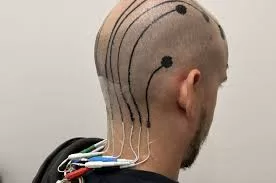
This method uses electrodes implanted in the brain to record electrical activity from neurons. A common non-invasive method related to this is electroencephalography (EEG), where sensors placed on the scalp capture brain signals. Advanced computer programs analyze these electrical signals to detect specific thought patterns, converting them into actionable digital commands like turning on a television or operating smart home devices. This technology, though still experimental, is currently being tested in clinical settings to enable people with severe motor disorders to interact with their environments simply by thinking.
Expert Perspectives
Dr. Anita Sharma, a neurologist specializing in neurotechnology who was not involved in the study, described the potential impact as “transformative for patients who are otherwise trapped in their own bodies, unable to communicate through speech or movement. The ability to decode thought directly could revolutionize assistive technologies and improve quality of life enormously.”
However, she added a note of caution: “While this study is promising, significant challenges remain. We need to better understand the accuracy and reliability of these systems across diverse populations and in everyday settings, beyond tightly controlled lab environments.”
Context and Background
Brain-computer interfaces have long been a focus of research aimed at restoring communication and motor function in individuals with conditions like amyotrophic lateral sclerosis (ALS), spinal cord injury, and severe stroke. Devices like robotic arms or computer cursors have been controlled to some extent using brain signals interpreted via implanted or surface electrodes. Previous systems required users to imagine specific movements, which still engages motor pathways, or to speak silently, activating vocal-related brain regions.
The advance made by the Stanford team represents a shift to decoding abstract thoughts that are not tied to motor activity or speech-related brain zones. Such a development opens possibilities for broader communication tools and control systems for patients who cannot produce any voluntary movement or speech signals.
Implications for Public Health and Daily Life
For millions worldwide living with paralysis or severe speech impairments, this technology could provide newfound independence and enhance social connection. Instead of relying on caregivers or limited communication methods, users might control computers, phones, or even smart home appliances simply through thought.
In practical terms, this may mean controlling a wheelchair, sending text messages, surfing the internet, or even operating household devices without physical interaction, opening doors to greater autonomy. From a healthcare perspective, these tools could reduce isolation, improve mental health, and assist rehabilitation.
Limitations and Counterarguments
Despite the promise, several hurdles remain before such interfaces become mainstream. Implanting electrodes is invasive and carries risks such as infection or tissue damage. Non-invasive alternatives like EEG, while safer, struggle with signal clarity and precision.
The technology’s accuracy still needs validation across varied brain anatomies and conditions, and large-scale clinical trials are essential to assess effectiveness and safety comprehensively. Ethical concerns regarding privacy and consent about direct brain data reading also require careful regulation.
Conclusion
The ability of computers to decode human thoughts without speech or movement, as demonstrated by Stanford’s recent study, could revolutionize assistive technologies. While still in development and limited to research settings, these brain-computer interfaces represent a promising horizon for enhancing communication and autonomy in people affected by severe paralysis or speech loss.
Medical Disclaimer: This article is for informational purposes only and should not be considered medical advice. Always consult with qualified healthcare professionals before making any health-related decisions or changes to your treatment plan. The information presented here is based on current research and expert opinions, which may evolve as new evidence emerges.
References
-
- https://timesofindia.indiatimes.com/etimes/trending/can-computers-read-minds-shocking-study-decodes-human-thoughts-without-speech-or-movement/articleshow/123871264.cms