 0
0
 0
0
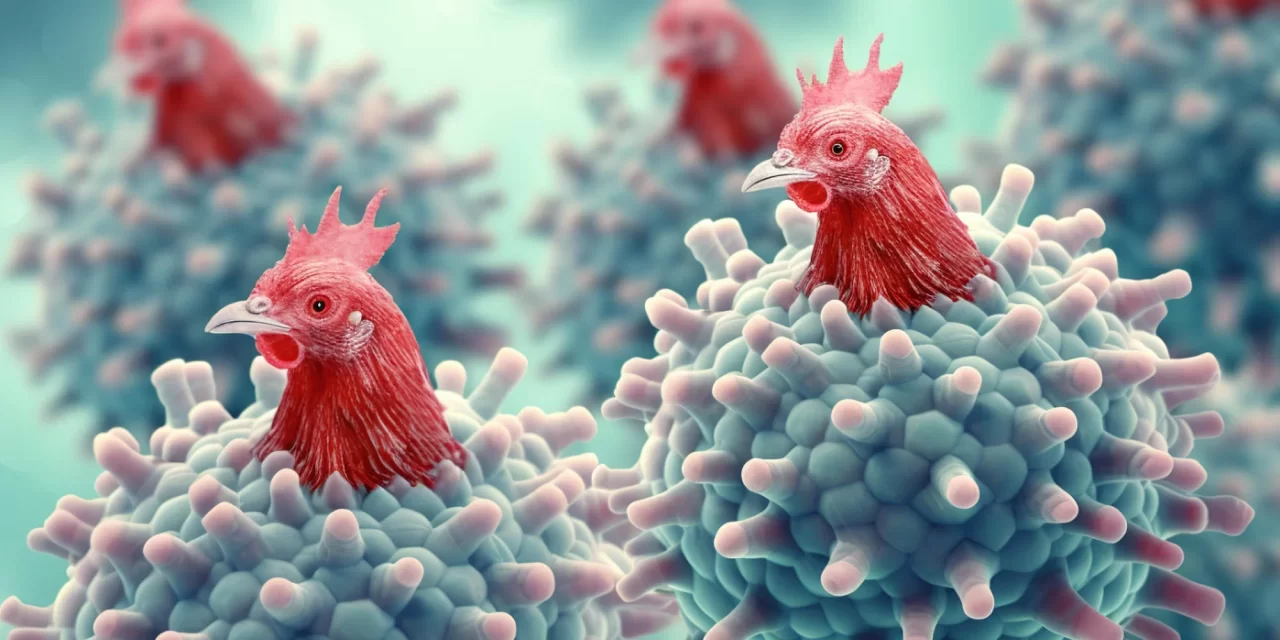
Phnom Penh, July 30, 2025 – A 26-year-old man from Siem Reap province has become the 14th person in Cambodia to contract H5N1 avian influenza this year, according to a statement by the Ministry of Health. The confirmation follows laboratory testing from the National Institute of Public Health, which detected the H5N1 virus in a sample collected on July 26.
The patient, a resident of Kravann village, Siem Reap city, exhibited symptoms including fever, cough, sore throat, stomach ache, and difficulty breathing. He is currently receiving medical treatment from a specialized team of doctors.
Health officials report that investigations have found evidence of dead chickens near the man’s home. It was further revealed that he had culled and plucked chickens three days before falling ill, suggesting a potential route of exposure to the virus.
Authorities are actively reviewing the possible source of infection and monitoring close contacts of the patient to prevent further spread within the community.
So far in 2025, Cambodia has reported 14 cases of H5N1 in humans, resulting in five deaths, as per the Ministry of Health. H5N1 influenza primarily spreads among poultry, but can occasionally infect humans, typically through direct or environmental contact with infected animals or contaminated surfaces.
The Ministry of Health has urged the public to practice caution by avoiding contact with sick or dead poultry, emphasizing that bird flu remains a threat to public health.
Recent years have seen a rise in H5N1 outbreaks among a variety of mammal species worldwide, including farmed fur animals, seals, and sea lions, as well as domestic animals like cats, dogs, cows, and goats. Human infections are still most commonly linked to direct contact with infected birds, though there have also been isolated cases involving infected mammals.
Disclaimer: This news article is based on publicly available information as of July 30, 2025. Readers are advised to follow guidance from local health authorities and consult official channels for the latest updates. The information is provided for general awareness and should not substitute professional medical advice or emergency guidance in the event of illness.