 0
0
 0
0
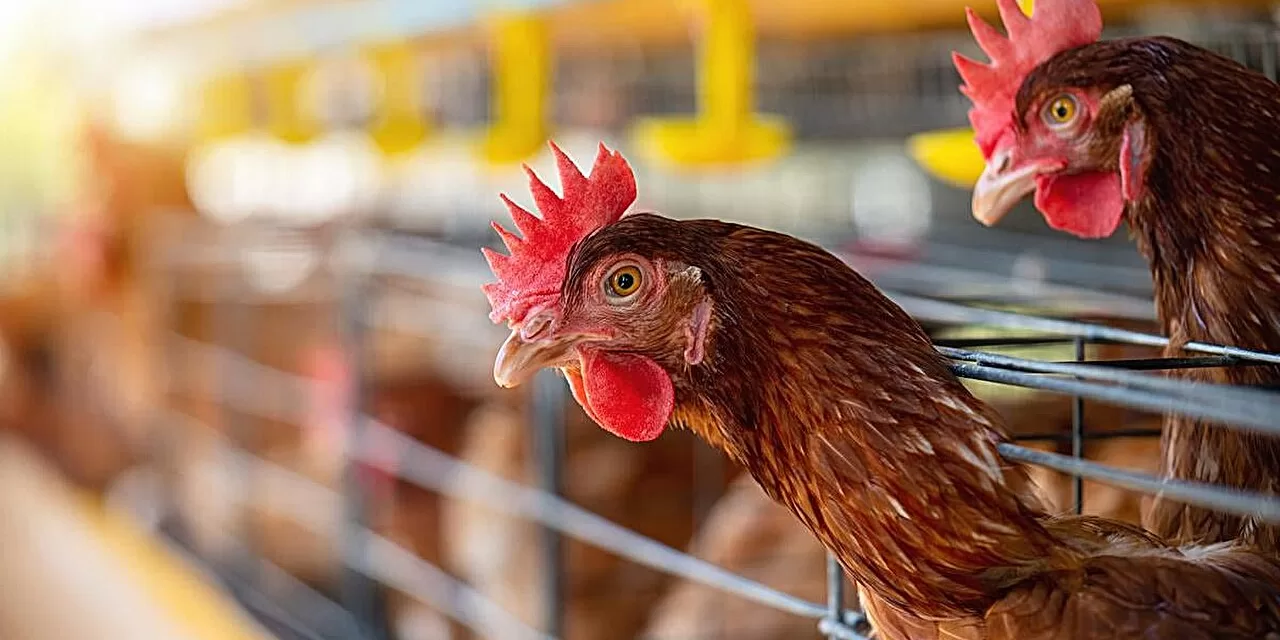
Cambodia’s health authorities have reported the country’s 12th human case of H5N1 bird flu this year, involving a 5-year-old boy from Kampot province who is currently hospitalized in intensive care. The boy, who regularly played with his family’s flock of chickens—some of which had recently fallen ill or died—marks the latest in a surge of cases since late 2023, with nine infections reported since early June alone.
H5N1, commonly known as bird flu, is an influenza virus that primarily infects birds but can sometimes jump to humans through direct or indirect contact with infected animals or contaminated environments. Human-to-human transmission remains rare, but the virus’s high mortality rate and potential for severe illness continue to concern health experts. According to the World Health Organization, more than half of confirmed human cases have resulted in death.
Early Signs and Risks
Doctors warn that the initial symptoms of H5N1 infection closely resemble those of the common flu, making early detection challenging. Key early signs include:
-
High fever
-
Cough
-
Sore throat
-
Body aches
-
Fatigue
As the infection progresses, more severe symptoms may develop, such as:
-
Shortness of breath
-
Chest pain
-
Diarrhea
-
Seizures
-
Confusion or altered mental status
Without prompt medical care, H5N1 can rapidly escalate to pneumonia, acute respiratory distress, and multi-organ failure.
Global Context and Ongoing Concerns
The recent rise in cases is not limited to Cambodia. The United States has also seen an uptick in H5N1 detections, including confirmed cases among farm workers exposed to infected dairy cattle. While these U.S. cases have so far been mild, experts caution that the virus is mutating and requires close monitoring to prevent a broader outbreak.
Survivors of H5N1 infection may experience lingering health effects, such as fatigue, lung damage, and increased susceptibility to other infections, sometimes lasting weeks or months after recovery.
Prevention and When to Seek Care
Health officials emphasize the importance of seeking immediate medical attention if flu-like symptoms develop after close contact with poultry. Early antiviral treatment can reduce the severity of illness and the risk of complications. Preventive measures include avoiding direct contact with sick or dead birds and practicing good hygiene, especially for those living or working near poultry.
“If you’ve been in close contact with poultry and start experiencing flu-like symptoms, it’s important to seek medical care immediately. Let your doctor know about your exposure history, as early antiviral treatment can reduce the severity of the illness and lower the risk of complications.”
Disclaimer:
This article is based on currently available information and updates from health authorities as of July 6, 2025. The situation regarding H5N1 bird flu is evolving, and new developments may emerge. For the latest advice and information, consult official health sources and your healthcare provider.