 0
0
 0
0
London, UK – Concerns are mounting over the current regulatory framework for period products in the UK, with campaigners and researchers calling for urgent changes to protect both consumer health and the environment.
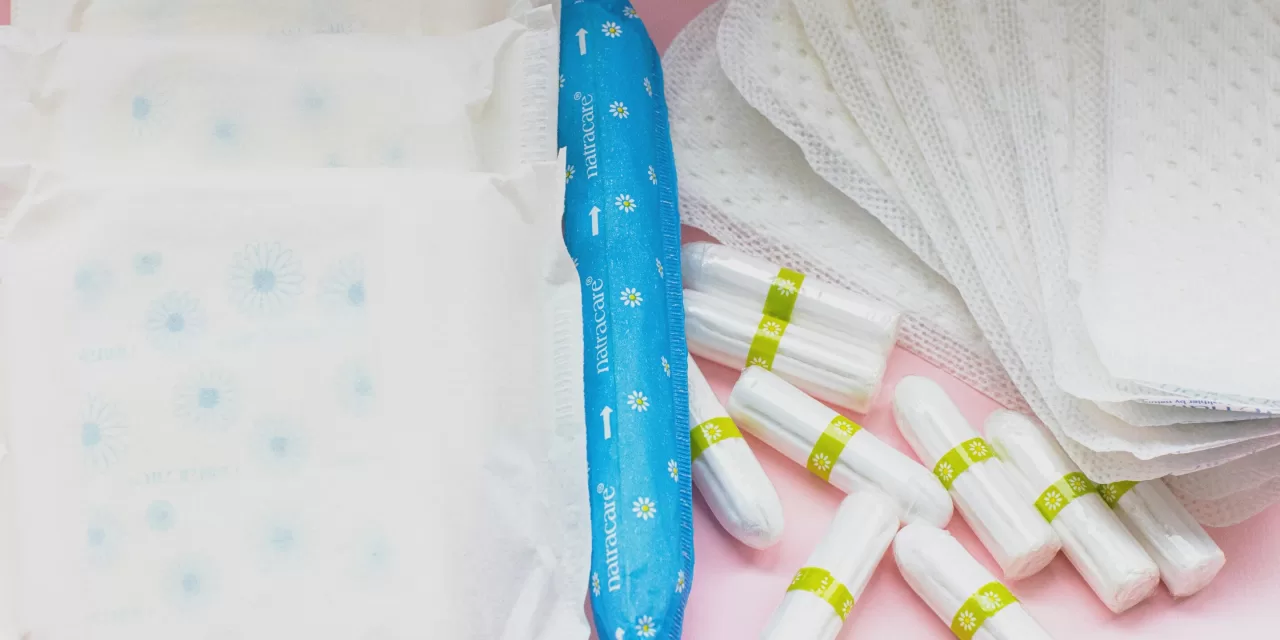
Currently, period products are regulated under consumer legislation similar to that applied to candles, a classification deemed inadequate by many, given their intimate and prolonged contact with the body. For the estimated 15 million people who menstruate in the UK, the lack of transparency regarding product composition is a significant issue.
“Consumers should be entitled to know what is in their period products before choosing which ones to buy,” states a women’s health researcher from the University of Bristol’s Digital Footprints Lab. “Yet, because of the current lack of adequate regulation and transparency, manufacturers are not required to disclose all materials.”
Independent testing has revealed that single-use period pads can contain up to 90% plastic, contributing to significant environmental pollution. An estimated 4.6 million pads, tampons, and panty liners are flushed daily in the UK, leading to blocked sewers, fatbergs, and pollution of rivers and oceans.
Moreover, both single-use and reusable period products have been found to contain harmful chemicals, including endocrine-disrupting chemicals and PFAS, which have been linked to cancers, reproductive disorders, and infertility.
The researcher, who collaborates with the Women’s Environmental Network, highlighted the impact of menstrual stigma on product choices and environmental consequences. “Menstrual stigma influences everything from the information and support people who menstruate receive to the types of products we use and how we dispose of them.”
A study on menstrual education in English schools revealed that only 2.4% of 18- to 24-year-olds were taught about sustainable alternatives to single-use products. Furthermore, decades of fear-based marketing by period brands have perpetuated social taboos, leading to the use of potentially harmful antimicrobials and anti-odor additives.
In contrast, regions like New York state, Scotland, and Catalonia have implemented progressive regulations, including mandatory ingredient labeling and free period product initiatives. A voluntary European “eco label” exists, but it excludes period underwear and is not mandatory.
Campaigners at the Women’s Environmental Network are now urging the UK government to adopt a “Menstrual Health, Dignity and Sustainability Act.” This act would ensure equal access to sustainable period products, improved menstrual education, independent testing, transparent product labeling, and stronger regulations.
The regulation of period products is currently being considered as part of the product regulation and metrology bill, and the use of antimicrobials is addressed in the consumer products (control of biocides) bill. The call for stricter regulations aims to address both health and environmental concerns, promoting safer products for people and the planet.
Disclaimer: This news article is based on information provided by The Conversation and reflects the opinions and findings of the cited researchers and campaigners. Readers should consult with healthcare professionals for personalized medical advice. The information presented is for general knowledge and informational purposes only, and does not constitute medical or scientific advice.