 0
0
 0
0
A resident of the South Lake Tahoe area in California has tested positive for plague, health authorities announced on August 20, 2025. Officials believe the individual contracted the disease after being bitten by an infected flea while camping in the region, which is known to have natural reservoirs of plague-carrying rodents. The person is currently recovering at home under medical supervision, according to El Dorado County public health officials.
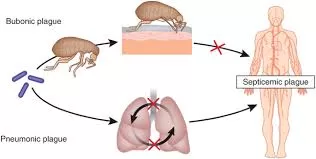
Plague, caused by the bacterium Yersinia pestis, is a rare but potentially serious disease transmitted primarily through flea bites from infected wild rodents such as squirrels and chipmunks. It may also be contracted by handling infected animals. Symptoms typically develop within two weeks and include fever, chills, fatigue, and swollen lymph nodes. Fortunately, modern antibiotics are highly effective in treating plague if administered early, allowing most patients to recover fully.
Kyle Fliflet, acting director of public health for El Dorado County, emphasized the presence of plague in parts of California, including higher-altitude areas like Lake Tahoe. He urged people to take precautions when outdoors, especially when walking, hiking, or camping in rodent-inhabited areas. Precautions include avoiding contact with wild rodents, using flea control on pets, applying insect repellent containing DEET, and clearing brush or debris where rodents might live.
According to the U.S. Centers for Disease Control and Prevention (CDC), about seven human plague cases are reported annually across the United States, predominantly in rural areas of the western states such as California, Arizona, Colorado, and New Mexico. The California Department of Public Health actively monitors rodent populations, having found several cases of plague-infected rodents in the Tahoe Basin this year. The last human plague case recorded in the South Lake Tahoe area was in 2020, with earlier cases noted in 2015 linked to Yosemite National Park.
Dr. Peter Chin-Hong, an infectious disease specialist at the University of California, San Francisco (UCSF), explained that although plague is rare in modern times, it remains a reality in certain regions. He stated, “Bubonic plague is still around, but it’s not as common as in the Middle Ages when millions died. Thanks to improved sanitation and modern medicine, infections are now treatable and uncommon.”
Dr. Melanie Ott, director of the Gladstone Institute and a UCSF professor, further reassured the public by highlighting the availability of effective antibiotics for plague. She advised awareness without panic, stressing that “more than 90% survive if treated early.” She recommended practical safety measures like insect repellent use and keeping pets away from areas with rodent activity to prevent infections.
This recent case underscores the importance of public awareness about plague risk factors in endemic areas. While the disease’s historical reputation evokes fear, contemporary cases remind us that vigilance and preventive actions remain essential, especially during outdoor recreational activities.
For public health, this event highlights the continuing need for surveillance of wildlife reservoirs and education about plague prevention. Health authorities recommend people avoid contact with wild rodents and their fleas, apply flea control products to pets, and wear protective clothing and insect repellents in rodent-prone habitats. Prompt medical consultation is advised if symptoms such as fever and swollen lymph nodes develop after potential exposure.
Limitations and counterpoints include the rarity of human plague cases and the effectiveness of current treatments, which mean the risk of severe illness is low with proper precautions. However, delayed diagnosis or untreated infections can lead to serious complications, justifying continued public health vigilance.
Medical Disclaimer: This article is for informational purposes only and should not be considered medical advice. Always consult with qualified healthcare professionals before making any health-related decisions or changes to your treatment plan. The information presented here is based on current research and expert opinions, which may evolve as new evidence emerges.
References: