 0
0
 0
0
In a distressing incident reported on October 28, 2025, at the Calcutta Medical College and Hospital (CMCH) in Kolkata, a female intern doctor was allegedly molested by an intoxicated patient while on duty in the emergency department. The event has ignited strong protests among medical students and hospital staff, who demand urgent and sustained security improvements within hospital premises to protect healthcare workers.
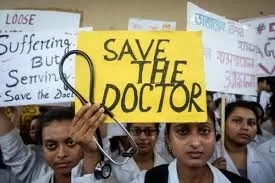
The incident allegedly occurred when the patient was brought to CMCH’s emergency ward for treatment. Despite police presence at the entrance, the on-duty policeman reportedly did not intervene promptly despite hearing the commotion. After the intern reported the assault to the police, some action was initiated, although no arrests have been reported yet. Medical students vociferously protested in front of the principal’s office, condemning the lack of security and police inaction.
This episode follows a worrying trend of violence, harassment, and sexual assault against female healthcare workers in government hospitals across West Bengal, including multiple high-profile cases over the past year. It notably echoes the national outrage sparked by the brutal rape and murder of a young female doctor on duty at RG Kar Medical College last year, which highlighted systemic lapses in hospital security and the vulnerabilities faced by healthcare professionals, especially women.
Key Findings and Context
Sexual harassment and violence against female healthcare workers is a critical public health and occupational safety issue in India. A 2025 peer-reviewed study published in the Indian Journal of Community Medicine found that 50.7% of female healthcare workers experienced sexual harassment in the last year, with 92.2% reporting such incidents at some point in their career. Despite awareness of legal protections, only a small fraction—17.4%—reported incidents officially, citing fear of victimization, distrust in authorities, social stigma, and emotional barriers
Following the Calcutta intern’s case, protesting medics demanded improved security measures such as 24/7 police presence, CCTV surveillance, and stricter access controls within hospitals. They raised concerns about how frontline medical personnel face constant safety threats while working long shifts under stressful conditions, risking their physical and psychological well-being.
Expert Perspectives
Dr. Anjali Gupta, a public health expert focusing on workplace safety, emphasized, “This is not just a hospital security issue but a systemic occupational safety failure. Female healthcare workers, often the backbone of our health systems, face disproportionate risks of harassment and violence that not only harms individuals but also undermines healthcare delivery. Strict enforcement of safety protocols, sensitization training for staff and police, and robust reporting mechanisms are urgently needed.”
Dr. Sanjay Mehta, a psychiatrist with experience in trauma care for healthcare workers, noted, “The psychological trauma from such assaults can be profound, leading to anxiety, depression, and burnout among medical staff. Support systems must include counseling and peer support alongside physical safety measures.”
Public Health and Occupational Safety Implications
Healthcare workers’ safety is integral to sustaining a functional health system. Incidents like these discourage female medical professionals from pursuing or continuing careers in clinical settings, exacerbating workforce shortages and negatively impacting patient care. Furthermore, hospitals must be safe work environments for all staff, aligned with national and international occupational safety standards.
Recent initiatives in India, including the Occupational Safety, Health and Working Conditions Code, 2020, highlight the need for comprehensive workplace safety frameworks. However, enforcement gaps and infrastructural deficiencies continue to compromise healthcare settings, especially in public hospitals under resource constraints.
Limitations and Challenges
While demanding enhanced security, stakeholders also face challenges such as staffing shortages, hospital overcrowding, and coordination between security personnel and medical staff. There are also concerns that punitive measures against perpetrators may face delays in legal processing. Increasing public awareness and workplace culture shifts are essential alongside infrastructural improvements to create a genuinely safe and supportive environment for healthcare workers.
Practical Takeaways for Readers
-
Recognize that sexual harassment of healthcare workers is a widespread public health concern with systemic roots.
-
Support advocacy for safer hospital workplaces with robust security, reporting frameworks, and mental health resources.
-
Advocate for accountability and enforcement of laws protecting healthcare professionals.
-
Health institutions should provide regular safety training and create clear channels for reporting harassment without fear.
This Kolkata incident is a stark reminder of the vulnerabilities healthcare workers face daily and the urgent need for coordinated action by hospital administrations, law enforcement, policymakers, and society to ensure safe working environments conducive to quality healthcare delivery.
Medical Disclaimer: This article is for informational purposes only and should not be considered medical advice. Always consult with qualified healthcare professionals before making any health-related decisions or changes to your treatment plan. The information presented here is based on current research and expert opinions, which may evolve as new evidence emerges.
References