 0
0
 0
0
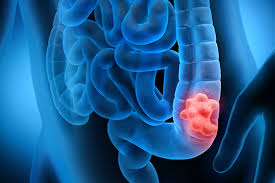
A significant new study has uncovered that consuming broccoli and other cruciferous vegetables may help reduce the risk of colon cancer, a leading cause of cancer-related deaths worldwide. Published in BMC Gastroenterology on August 21, 2025, this comprehensive meta-analysis examined data from over 17 studies and nearly 640,000 individuals, finding a notable inverse relationship between cruciferous vegetable intake and colon cancer risk.
Colon cancer remains a major global health burden, accounting for approximately 903,859 deaths in 2022 alone, and ranking as the third most common cancer worldwide with around 1.9 million new cases annually. While multiple factors influence colon cancer risk, diet stands out as one of the most modifiable and impactful elements for prevention.
Key Findings: The Protective Power of Cruciferous Vegetables
The researchers analyzed data encompassing 97,595 colon cancer cases and found that higher consumption of cruciferous vegetables—broccoli, Brussels sprouts, cabbage, and cauliflower—was associated with a significant 20% lower risk of developing colon cancer compared to lower intake levels. This protective effect was observed particularly with daily consumption between 20 and 40 grams of these vegetables, roughly equivalent to a small serving. Increasing intake beyond 40 grams per day did not confer additional risk reduction, suggesting a plateau effect.
Cruciferous vegetables are rich in beneficial nutrients such as fiber, flavonoids, vitamin C, and carotenoids. Crucially, they contain glucosinolates, which break down during chewing into bioactive compounds called isothiocyanates. Among these, sulforaphane (SFN) is a key molecule implicated in cancer prevention. These compounds exert multiple protective mechanisms including blocking enzymes that activate carcinogens, inducing programmed cell death in cancer cells, inhibiting new blood vessel formation that tumors need to grow, and halting the uncontrolled division of malignant cells.
Expert Perspectives and Context
Dr. Anita Shah, an oncologist not involved in the study, commented, “The evidence supporting cruciferous vegetables for cancer prevention has been growing steadily. This large-scale analysis reinforces the importance of diet in modulating cancer risk, particularly through compounds like sulforaphane which target multiple cancer pathways.”
The study also highlighted regional differences in protective effects, with stronger associations observed in populations from North America and Asia compared to Europe and Australia. This could reflect variations in dietary patterns, genetics, or food preparation methods that influence bioavailability.
Public Health Implications
This research strengthens dietary recommendations advocating the inclusion of cruciferous vegetables as part of a cancer-preventive lifestyle. Considering colon cancer’s high mortality, encouraging increased intake of such vegetables could be a straightforward, low-cost intervention to reduce overall disease burden.
For consumers, practical implications include incorporating at least a small portion (around 20-40 grams) of broccoli or related veggies daily. Preparing these vegetables lightly steamed or raw may help preserve the glucosinolate content for maximal benefit.
Limitations and Balanced View
Despite the promising findings, the authors caution that observational studies have inherent limitations, including differences in study design and dietary assessment accuracy. They emphasize that while the association is compelling, causality cannot be definitively established from current data.
Further randomized controlled trials and mechanistic studies are needed to confirm these results and clarify the optimal amounts and preparation methods for cancer prevention. Additionally, diet is only one part of a multifactorial risk profile for colon cancer that includes genetics, lifestyle, and environmental exposures.
Medical Disclaimer: This article is for informational purposes only and should not be considered medical advice. Always consult with qualified healthcare professionals before making any health-related decisions or changes to your treatment plan. The information presented here is based on current research and expert opinions, which may evolve as new evidence emerges.
References
-
Bo Lai et al., “Cruciferous vegetables intake and risk of colon cancer: a dose–response meta-analysis,” BMC Gastroenterology, 2025. DOI: 10.1186/s12876-025-04163-9
-
Expert commentary: Dr. Anita Shah, Oncologist