 0
0
 0
0
LUCKNOW, INDIA — In a move set to redefine the landscape of digital healthcare in North India, King George’s Medical University (KGMU) has announced the establishment of a state-of-the-art Centre of Excellence (CoE) for Telemedicine. The initiative, backed by federal health infrastructure mandates, aims to bridge the persistent gap between advanced urban tertiary care and underserved rural populations.
As healthcare systems globally pivot toward digital integration, the KGMU project represents more than just a technological upgrade; it is a strategic shift toward democratizing high-end medical expertise.
A New Chapter in Digital Health
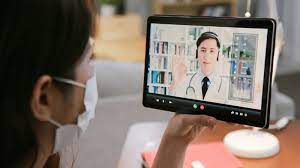
The announcement, sanctioned by the Ministry of Health and Family Welfare, designates KGMU as a primary hub for tele-consultation, tele-education, and tele-radiology. The CoE will serve as a nerve center, connecting district hospitals and community health centers (CHCs) across Uttar Pradesh and neighboring states to some of the country’s leading medical specialists.
“The goal is simple but profound: no patient should have to travel 500 kilometers just for a preliminary specialist consultation,” says Dr. Sandeep Tiwari, Professor and Head of Trauma Surgery at KGMU, who has been a vocal advocate for digital integration. “This center will provide the infrastructure to ensure that a doctor in a remote village can share a patient’s diagnostic reports with a super-specialist here in Lucknow in real-time.”
Key Components of the Centre
The Centre of Excellence is expected to focus on four primary pillars:
-
Specialized Tele-Consultations: Real-time video conferencing for departments such as Cardiology, Oncology, and Neurology, where early intervention is critical.
-
Tele-Radiology and Pathology: Standardizing the digital transmission of X-rays, MRIs, and biopsy slides for remote interpretation.
-
Capacity Building: Training rural healthcare workers and medical officers in digital health literacy and the use of point-of-care diagnostic devices.
-
Emergency Support: Providing virtual assistance to trauma centers during the “golden hour” of critical care.
The Impact on Public Health
For a state like Uttar Pradesh, which houses over 200 million people, the burden on physical hospital infrastructure is immense. KGMU currently sees thousands of outpatients daily, many of whom travel from distant districts for follow-up appointments that could arguably be handled via video link.
According to data from the National Health Authority (NHA), telemedicine usage in India saw a 31% increase in the last fiscal year, spurred by the success of the eSanjeevani platform. By establishing a dedicated CoE, KGMU is standardizing this practice.
“Telemedicine is no longer an ’emergency-only’ tool born of the pandemic,” says Dr. Arati Verma, a public health policy consultant not affiliated with the project. “By institutionalizing it through a Centre of Excellence, KGMU is creating a sustainable model where digital health is integrated into the standard of care. This reduces the ‘out-of-pocket’ expenditure for patients who otherwise lose wages and spend significantly on travel and lodging in the city.”
Addressing the Digital Divide: Challenges and Limitations
Despite the optimism, medical experts caution that the road to seamless digital health is paved with logistical hurdles.
“Technological infrastructure is only half the battle,” notes Dr. Rajesh Mathur, a healthcare IT specialist. “The real challenge lies in data privacy and the ‘human factor.’ We must ensure that digital consultations maintain the same level of diagnostic accuracy as in-person visits. Furthermore, in areas with erratic internet connectivity or low digital literacy, the efficacy of a CoE can be hampered.”
Critics also point out that while telemedicine is excellent for triage and follow-ups, it cannot replace physical examinations for acute surgical needs or complex diagnostic palpations. The CoE will need to establish strict protocols on when a patient must be referred for physical admission.
What This Means for Patients
For the average resident of North India, this development promises a future of “care closer to home.”
If you are a patient managing a chronic condition like diabetes or hypertension, the CoE could allow your local GP to consult with a KGMU endocrinologist to adjust your medication without you needing to board a bus to Lucknow. For healthcare providers, it offers a platform for continuous medical education, allowing local doctors to stay updated on the latest treatment protocols.
Looking Ahead
The establishment of the CoE at KGMU is part of a broader national strategy under the Ayushman Bharat Digital Mission (ABDM). As the center becomes operational over the coming months, it will serve as a pilot for how heritage medical institutions can evolve into digital powerhouses.
The success of the project will ultimately be measured not by the complexity of its servers, but by the number of lives it touches in the silent corners of the country where a specialist’s advice was once a distant dream.
Medical Disclaimer: This article is for informational purposes only and should not be considered medical advice. Always consult with qualified healthcare professionals before making any health-related decisions or changes to your treatment plan. The information presented here is based on current research and expert opinions, which may evolve as new evidence emerges.
References and Sources
Primary Source:
-
Medical Dialogues Bureau. (2024). “Centre of Excellence for Telemedicine to be set up at KGMU Lucknow.” [Reference Link: https://medicaldialogues.in/news/health/hospital-diagnostics/centre-of-excellence-for-telemedicine-to-be-set-up-at-kgmu-lucknow-161030]