 0
0
 0
0
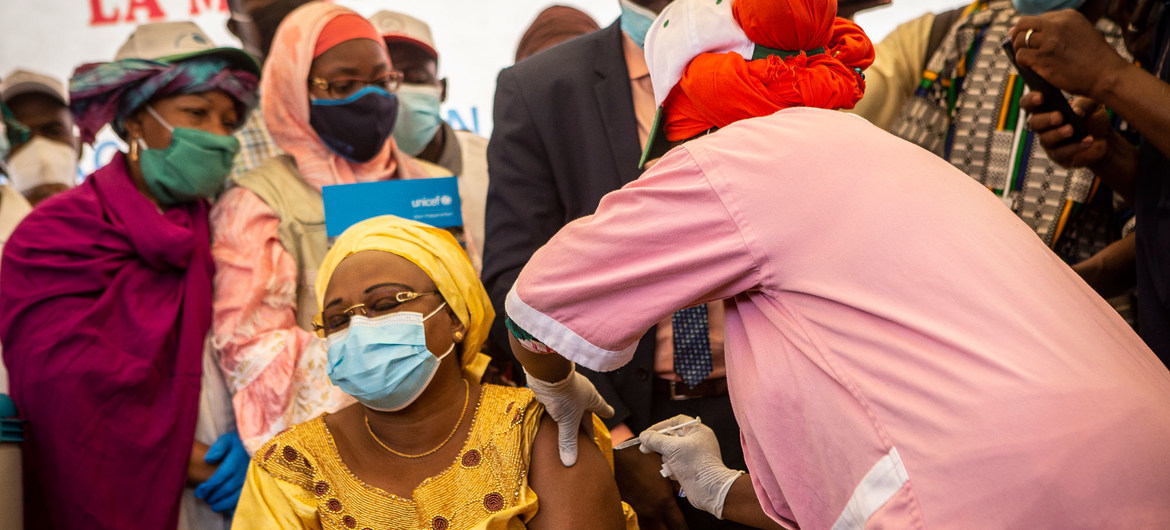
NEW DELHI – In a landmark move to address educational inequity, the Indian government has launched a nationwide initiative to provide medical students in rural and remote regions with free access to advanced artificial intelligence (AI) resources, e-books, and digital clinical materials. Announced by Dr. B. Srinivas, Deputy Director General (Medical Education), at the AI Impact Summit on February 17, 2026, the program begins with a rollout across 57 government medical colleges. This strategic intervention aims to equip the next generation of doctors with cutting-edge diagnostic and research tools, ensuring that geographic isolation no longer dictates the quality of a physician’s training.
Empowering the Rural Frontline
For decades, India’s medical education system has grappled with a stark “resource rift.” While premier institutes in metropolitan hubs like Delhi or Mumbai enjoy high-speed connectivity and modern libraries, students in smaller towns often struggle to access the latest peer-reviewed journals or technical manuals.
“Building campuses and infrastructure is relatively straightforward, but building up the knowledge material—that takes time,” Dr. Srinivas explained during his keynote address. “Students from medical colleges in remote areas find it challenging to access e-books and good technical materials. The government is leveraging AI to bridge this gap and reach out to these students directly.”
The initial phase focuses on 57 institutions under the National Medical Library’s umbrella. While currently limited to public institutions due to funding allocations, officials confirmed plans are in the pipeline to eventually scale the program to private medical colleges, creating a unified digital standard for medical training across the country.
The Role of AI in Modern Clinical Training
The initiative goes beyond simple PDF access. By integrating AI-powered resources, the government is introducing “precision learning” to the curriculum. These tools include:
-
Intelligent Tutoring Systems: AI platforms that adapt to a student’s individual learning pace, identifying knowledge gaps in real-time and providing targeted remediation.
-
Virtual Simulations: Risk-free digital environments where students can practice complex procedures, such as laparoscopic surgery or advanced CPR, which are often unavailable in resource-constrained rural clinics.
-
Diagnostic Support: AI-driven pattern recognition software that assists students in interpreting radiology scans and pathology slides—skills that are becoming increasingly essential as AI becomes a standard fixture in global healthcare.
Research suggests these tools are highly effective. According to a systematic review published in JCC Practice, medical students exposed to AI-enhanced learning scored 18% higher on clinical assessments than those using traditional methods alone. In India, a recent survey indicated that 80% of undergraduates support the formal integration of AI into their curricula to better prepare for modern hospital environments.
Strengthening Public Health and Equity
The implications for India’s public health landscape are significant. India currently maintains a doctor-to-population ratio of approximately 1:834, meeting the World Health Organization’s recommended 1:1,000 ratio in aggregate, but suffering from severe maldistribution. Rural areas, where 65% of the population resides, often face the brunt of diagnostic errors and physician shortages.
Dr. Abhijat Sheth, Chairman of the National Medical Commission (NMC), emphasized that AI is intended to strengthen, not replace, the human element of medicine. “AI and digital healthcare will strengthen medical education by fostering a sustained culture of clinical research,” Dr. Sheth noted. By upskilling rural graduates, the initiative aims to reduce the urban-rural health gap, ensuring that a patient in a remote village receives care informed by the same latest evidence-based research as a patient in a city.
Challenges: Ethics, Bias, and the “Black Box”
Despite the optimism, the medical community remains cautious about the “black-box” nature of AI. Experts warn that over-reliance on automated tools could erode the critical thinking skills fundamental to clinical practice.
“There is a risk that students might defer to AI-generated insights without fully understanding the underlying physiological principles,” warns a commentary in the Surgery Research Journal. Furthermore, there are concerns regarding algorithmic bias. Since many AI models are trained on datasets from Western populations, their accuracy in the diverse Indian demographic must be rigorously validated to prevent perpetuating health disparities.
Logistical hurdles also loom large. Successful implementation requires significant faculty upskilling and a stable digital infrastructure—challenges that persist in underfunded colleges. Currently, nearly 40% of healthcare providers express concerns regarding data privacy and the potential for technology to interfere with the sensitive doctor-patient relationship.
A Phased Vision for the Future
The rollout is part of a broader national strategy. In late 2025, the National Board of Examinations in Medical Sciences (NBEMS) launched a free online AI training program targeting 50,000 practicing doctors. The new student-focused initiative completes this circle, ensuring that both current and future practitioners are “AI-literate.”
For the average citizen, this means future doctors will be better equipped to handle chronic disease management and complex diagnostics through tech-driven care. For the medical student in a small-town college, it means the world’s most advanced medical library is now just a click away.
As India trains over 100,000 new doctors annually, the success of this initiative will depend on maintaining a balance between technological innovation and the foundational ethics of medical practice.
Reference Section
- https://health.economictimes.indiatimes.com/news/health-it/govt-looks-to-provide-access-to-ai-resources-to-medical-students-official/128418533?utm_source=top_story&utm_medium=homepage
Medical Disclaimer: This article is for informational purposes only and should not be considered medical advice. Always consult with qualified healthcare professionals before making any health-related decisions or changes to your treatment plan. The information presented here is based on current research and expert opinions, which may evolve as new evidence emerges.