 0
0
 0
0
Published: February 11, 2026
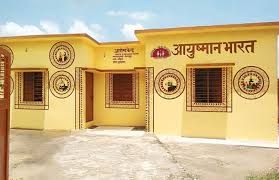
NEW DELHI — In a landmark shift for public health accessibility, the Union Ministry of Health and Family Welfare announced this week that India has operationalized over 1.82 lakh Ayushman Arogya Mandirs (AAMs) nationwide. This infrastructure surge, supported by the National Health Mission (NHM), marks a pivotal moment in the country’s effort to provide universal, “last-mile” healthcare. By integrating free diagnostics, essential drugs, and telemedicine into rural and underserved urban hubs, the initiative aims to dismantle the financial barriers that have long forced millions into medical debt.
A New Blueprint for Primary Care
The transformation of existing Sub-Health Centres (SHCs) and Primary Health Centres (PHCs) into Ayushman Arogya Mandirs represents more than a name change; it is a fundamental redesign of how the state delivers care. As of December 31, 2025, 1,82,944 of these centers are active, surpassing the government’s initial 2018 target of 1.5 lakh units.
These centers are designed to deliver a “12-package” suite of services. Unlike traditional clinics that focused primarily on maternal and child health, the AAMs now provide:
-
Preventive and Promotive Care: Including screenings for hypertension and diabetes.
-
Palliative and Rehabilitative Services: For aging populations and those with chronic illnesses.
-
Curative Care: Treatment for acute minor ailments and basic emergencies.
Slashing Out-of-Pocket Expenditure (OOPE)
For decades, the “hidden” costs of healthcare—diagnostic tests and medicines—have been the primary drivers of Out-of-Pocket Expenditure (OOPE) in India. The Free Diagnostics Service Initiative (FDSI) is moving the needle on this crisis.
The tiered diagnostic support is structured as follows:
-
AAM-Sub Health Centres: 14 essential tests.
-
AAM-Primary Health Centres: 63 tests.
-
Community Health Centres (CHCs): 97 tests.
-
District Hospitals: Up to 134 comprehensive tests.
“When a patient in a remote village can get blood work or a basic X-ray done for free within five kilometers of their home, we prevent the ‘medical poverty trap’,” says Dr. Ananya Rajan, a public health policy expert not involved in the government report. “The challenge now is ensuring the supply chain for these reagents and medicines remains unbroken in the most difficult terrains.”
Strengthening the “Last Mile”: Ambulances and Telemedicine
Infrastructure is only as good as its accessibility. To bridge the physical distance between patients and clinics, the Ministry highlighted the role of the National Ambulance Services (NAS) and Mobile Medical Units (MMUs).
In areas where a physical building is still hours away, the eSanjeevani telemedicine platform has become a lifeline. By connecting rural AAMs with specialists at District Hospitals or Medical Colleges, patients can receive expert consultations without the time and cost of travel.
By the Numbers: Impact on Public Health
The expansion of these services correlates with significant improvements in India’s vital health statistics. According to the latest Sample Registration System (SRS) data:
| Indicator | 2014–16 Baseline | 2023–25 Current |
| Maternal Mortality Ratio (MMR) | 130 per lakh live births | 88 per lakh live births |
| Infant Mortality Rate (IMR) | 39 per 1,000 live births | 25 per 1,000 live births |
| Under-5 Mortality Rate (U5MR) | 45 per 1,000 live births | 29 per 1,000 live births |
The UN-MMEIG 2023 report further underscores this progress, noting that India has achieved an 86% reduction in MMR since 1990, significantly outperforming the global average decline of 48%.
Expert Perspectives and Potential Hurdles
While the infrastructure growth is undeniable, independent health observers urge a focus on “quality over quantity.”
“The establishment of 1.82 lakh centers is a monumental logistical feat,” says Shri Prataprao Jadhav, Union Minister of State for Health and Family Welfare, in his recent Rajya Sabha address. He emphasized that the focus is now on maintaining the “Record of Proceedings” (RoPs) to ensure states have the funds to hire specialists and medical officers.
However, some medical professionals express concern regarding the human resource gap. “Buildings and equipment are essential, but the soul of a health center is its staff,” notes Dr. K.S. Verma, a retired civil surgeon. “Ensuring that doctors and specialists are willing to serve in rural CHCs remains a hurdle that requires not just infrastructure, but better living incentives and professional support.”
What This Means for You
For the average citizen, these developments suggest a shift in where and how you should seek care:
-
Start Local: Before traveling to a crowded city hospital, check your local Ayushman Arogya Mandir. Most common screenings and basic treatments are now available for free.
-
Utilize Free Drugs: If you are prescribed medication for chronic conditions like hypertension, check if they are covered under the Free Drugs Service Initiative.
-
Ask for Tele-consultation: If your local doctor is unsure of a diagnosis, ask if they can facilitate a telemedicine call with a specialist.
The Road Ahead
As the Ministry of Health continues to provide technical and financial support via the National Health Mission, the focus shifts to the Pradhan Mantri TB Mukt Bharat Abhiyaan and the Universal Immunization Programme. The goal is a seamless “referral ladder” where a patient can move from a village sub-center to a high-tech District Hospital without losing time or financial stability.
The data suggests that the “mandir” (temple) of health is becoming a reality for millions, but the true test will be the consistency of care provided within those walls over the next decade.
References
-
Government Source: Ministry of Health and Family Welfare, Press Information Bureau (PIB) Delhi. “Steps Taken to Expand PHCs and CHCs in Underserved Areas.” Feb 10, 2026.
Medical Disclaimer: This article is for informational purposes only and should not be considered medical advice. Always consult with qualified healthcare professionals before making any health-related decisions or changes to your treatment plan. The information presented here is based on current research and expert opinions, which may evolve as new evidence emerges.