 0
0
 0
0
NEW DELHI — In a decisive move to tackle the rising costs of private healthcare, the Indian government has announced an ambitious expansion of its flagship generic medicine program. Minister of State for Chemicals and Fertilizers, Smt. Anupriya Patel, confirmed in a Rajya Sabha briefing on March 17, 2026, that the Pradhan Mantri Bhartiya Janaushadhi Pariyojana (PMBJP) aims to establish 20,000 functional Jan Aushadhi Kendras (JAKs) across the nation by the end of the month.
The initiative, designed to provide high-quality generic drugs at a fraction of the cost of branded alternatives, represents a critical pillar in India’s strategy to achieve universal health coverage and reduce out-of-pocket expenditure—which remains a primary cause of poverty for millions of households.
The Economics of Essential Medicine
The core appeal of the PMBJP lies in the significant price disparity between branded and generic medications. According to the Ministry of Chemicals and Fertilizers, medicines sold through JAKs are priced 50% to 80% lower than their branded counterparts.
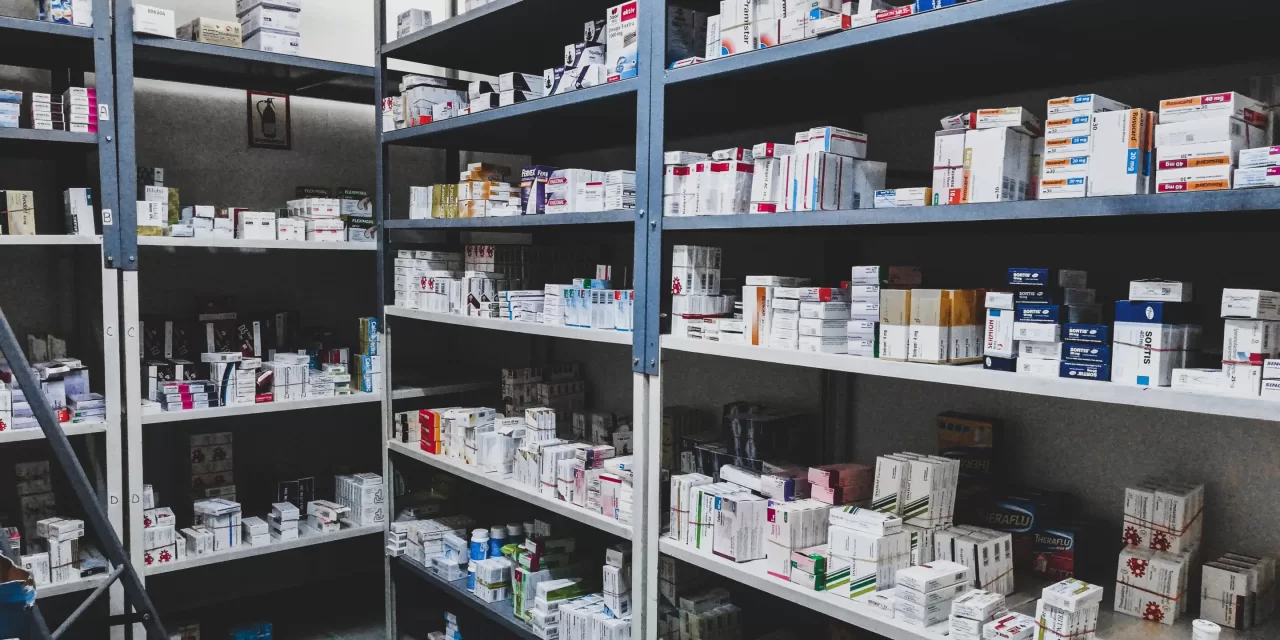
As of early 2026, the scheme’s product basket has grown to include 2,110 medicines and 315 surgical devices, covering nearly every major therapeutic category. This includes life-saving drugs for:
-
Cardiovascular health (Blood pressure and cholesterol management)
-
Oncology (Anti-cancer treatments)
-
Diabetes management (Insulin and oral hypoglycemics)
-
Infectious diseases (Antibiotics and antivirals)
-
Gastro-intestinal and respiratory care
For a patient managing chronic hypertension or diabetes, switching from branded medication to Janaushadhi generics can mean the difference between a monthly bill of ₹1,000 and just ₹200.
Quality Assurance: Dispelling the “Cheap Medicine” Myth
Despite the cost benefits, a persistent challenge for the program has been the public perception that lower prices equate to lower quality. To counter this, the Pharmaceuticals and Medical Devices Bureau of India (PMBI) has intensified its “Jan Aushadhi Week” campaigns and digital outreach.
“The skepticism surrounding generic drugs often stems from a lack of understanding of the manufacturing process,” says Dr. Anita Rao, a public health consultant not affiliated with the ministry. “A generic drug is essentially a ‘bioequivalent’ to a branded drug. It contains the same active pharmaceutical ingredient (API) and must meet the same rigorous safety and efficacy standards set by the Central Drugs Standard Control Organization (CDSCO).”
To ensure these standards, every batch of medicine supplied to JAKs undergoes testing at laboratories accredited by the National Accreditation Board for Testing and Calibration Laboratories (NABL).
Regional Impact and the Road to 20,000
The expansion is already showing significant footprints in southern India. In Tamil Nadu alone, 1,559 Jan Aushadhi Kendras were operational as of February 28, 2026. While the government does not set specific state-wise targets, the overarching goal of 20,000 centers by March 31, 2026, is intended to create a dense network that reaches rural and underserved “last-mile” communities.
To drive adoption, the government is utilizing a multi-pronged communication strategy:
-
WhatsApp Chatbots: Providing real-time locations of the nearest centers and price comparisons.
-
Nukkad Nataks (Street Plays): Using local dialects in rural areas to explain the benefits of generics.
-
Medical Advocacy: Disseminating messages from eminent doctors to build trust within the professional healthcare community.
Public Health Implications and Limitations
The scaling of PMBJP comes at a time when non-communicable diseases (NCDs) like heart disease and cancer are on the rise in India. Access to affordable maintenance medication is vital for long-term adherence; when prices are high, patients often skip doses, leading to complications and higher hospitalization rates.
However, some medical professionals urge a balanced view. While the scheme covers a vast therapeutic range, certain specialized or newly patented drugs for rare diseases are not yet available in generic form.
“The PMBJP is a game-changer for primary and secondary care,” notes Rajesh Kumar, a pharmaceutical analyst. “The limitation lies in the availability of the latest generation of biologics or specialized immunosuppressants. Furthermore, while the number of centers is growing, ensuring a consistent supply chain to prevent ‘stock-outs’ at rural centers remains the next big logistical hurdle for the PMBI.”
What This Means for Consumers
For the average citizen, the message is clear: the right to affordable healthcare is expanding. Healthcare providers are increasingly encouraged to prescribe medicines by their generic names, as mandated by various medical council guidelines, allowing patients the freedom to choose Janaushadhi outlets.
As the program nears its 20,000-center milestone, the focus is shifting from mere availability to “acceptability.” By integrating digital tools and community engagement, the PMBJP aims to transform the Indian pharmaceutical landscape into one where health is no longer a luxury dictated by a brand name.
References
-
Government of India, Press Information Bureau (PIB). (2026, March 17). Availability of generic medicines under PMBJKs. Release ID: 20260317.
Medical Disclaimer: This article is for informational purposes only and should not be considered medical advice. Always consult with qualified healthcare professionals before making any health-related decisions or changes to your treatment plan. The information presented here is based on current research and expert opinions, which may evolve as new evidence emerges.