 0
0
 0
0
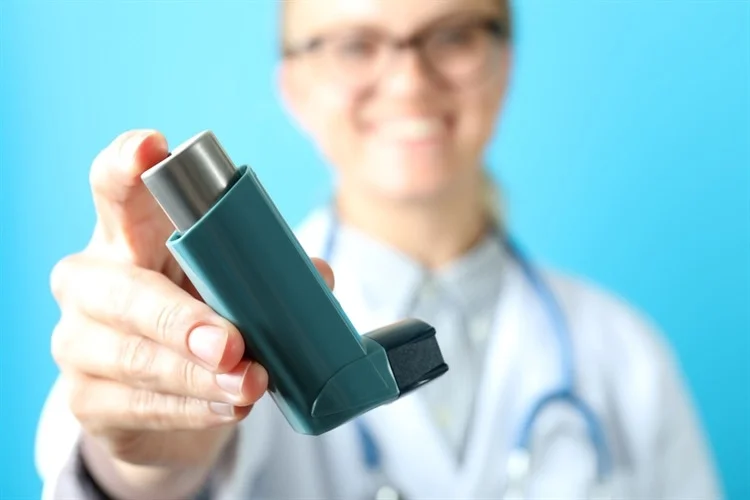
In a significant revelation for both environmental policy and respiratory medicine, a decade-long study has quantified the staggering carbon footprint of the United States’ most common medical devices. Research published in the Journal of the American Medical Association (JAMA) reveals that metered-dose inhalers (MDIs)—the ubiquitous “puffers” used by millions for asthma and COPD—contribute greenhouse gas emissions equivalent to driving 530,000 gasoline-powered cars for an entire year.
The study, which analyzed data from 2014 to 2024, found that these devices generated 24.9 million metric tons of carbon dioxide equivalent ($CO_2e$) over the 10-year period. As the healthcare sector faces increasing pressure to reduce its carbon footprint, experts are now calling for a systemic shift toward low-emission alternatives, asserting that for the vast majority of patients, “going green” does not mean compromising on the ability to breathe.
The Culprit in the Canister: Propellants vs. Powder
The environmental issue does not lie within the life-saving medication itself—such as albuterol or fluticasone—but in the mechanism used to deliver it. Metered-dose inhalers rely on hydrofluoroalkanes (HFAs), a group of potent greenhouse gases used as propellants to spray the medicine into the lungs. While HFAs were originally introduced to replace ozone-depleting chlorofluorocarbons (CFCs) in the 1990s, they are themselves powerful “super-pollutants,” with a global warming potential hundreds to thousands of times higher than carbon dioxide.
The JAMA study found that MDIs accounted for a staggering 98% of all inhaler-related emissions. In contrast, two other types of devices offer a much lighter footprint:
-
Dry Powder Inhalers (DPIs): These devices are breath-actuated; the patient inhales deeply to draw the powdered medication into the lungs, requiring no chemical propellant.
-
Soft Mist Inhalers (SMIs): These use a spring-loaded mechanism to create a fine mist of liquid medication, also bypassing the need for HFAs.
“We have a situation where the delivery system, not the drug, is driving a public health crisis via climate change,” says Dr. William Feldman, a pulmonologist at UCLA and lead author of the study. “For the vast majority of our patients, the switch to a dry powder or soft mist option is not just medically appropriate—it’s a superior choice for the planet.”
A Global Disconnect
The United States lags significantly behind other developed nations in adopting sustainable inhaler technology. In Sweden, for example, dry powder inhalers make up the vast majority of the market. Similarly, Japan has successfully transitioned a significant portion of its respiratory patients to low-emission devices.
In the U.S., however, the study highlights a “market inertia” driven by insurance coverage and cost. Many low-emission inhalers remain categorized as “non-preferred” on insurance formularies or are priced higher than traditional MDIs, leaving patients and clinicians with fewer affordable choices.
“It is a systemic failure when the ‘greener’ option is the one that patients can’t afford at the pharmacy counter,” says Dr. Elena Rodriguez, a public health researcher at Johns Hopkins University, who was not involved in the study. “We are effectively incentivizing high-carbon healthcare.”
Who Truly Needs a “Puffer”?
Despite the push for greener alternatives, medical professionals emphasize that the transition must be patient-centered. MDIs remain essential for specific populations, including:
-
Young Children: Infants and toddlers who cannot coordinate the forceful “deep breath” required for a dry powder inhaler.
-
Elderly or Frail Patients: Individuals with significantly reduced lung capacity who may struggle to actuate a DPI.
-
Acute Emergencies: During a severe asthma attack, an MDI used with a spacer is often the gold standard for rapid delivery.
“We aren’t talking about a 100% replacement,” Dr. Feldman notes. “But our data suggests that only a small fraction of the population requires an MDI. If everyone else switched, the impact on US carbon goals would be massive.”
Public Health and the “Feedback Loop”
The irony of the high-emission inhaler is not lost on the medical community. Climate change is a primary driver of worsening air quality, increased pollen counts, and more frequent wildfires—all of which are major triggers for asthma and COPD.
“By using high-emission inhalers to treat respiratory disease, we are inadvertently contributing to the very environmental conditions that make respiratory disease worse,” says Dr. Rodriguez. “Breaking this feedback loop is a public health priority.”
The healthcare industry accounts for nearly 8.5% of total U.S. greenhouse gas emissions. Transitioning to low-emission inhalers is seen as “low-hanging fruit” in the broader effort to decarbonize medicine, as the clinical outcomes for DPIs and MDIs are generally considered equivalent for the average patient.
What Should Patients Do?
Experts urge patients not to stop using their current inhalers or make any changes without consulting their physician. Sudden cessation of asthma or COPD medication can lead to life-threatening exacerbations.
Instead, the study suggests a proactive dialogue:
-
Start the Conversation: At your next check-up, ask your doctor if a dry powder or soft mist inhaler is appropriate for your lung function and lifestyle.
-
Check Insurance: Ask your pharmacist to check if a DPI version of your medication is covered under your plan’s formulary.
-
Proper Disposal: If you must use an MDI, ensure it is completely empty before disposal, as residual propellant can leak out of canisters in landfills.
Limitations and Moving Forward
The study acknowledges certain limitations, including the reliance on claims data which may not perfectly reflect actual usage patterns. Furthermore, the transition to DPIs requires patient education on proper technique, which varies significantly from the “press and breathe” method of MDIs.
However, the message from the research is clear: the path to sustainable healthcare includes the pharmacy shelf. As pharmaceutical companies begin to develop “next-generation” propellants with lower global warming potential, the immediate shift to existing powder-based technologies remains the most effective tool for reducing the medical sector’s climate impact today.
Medical Disclaimer
This article is for informational purposes only and should not be considered medical advice. Always consult with qualified healthcare professionals before making any health-related decisions or changes to your treatment plan. The information presented here is based on current research and expert opinions, which may evolve as new evidence emerges.
References
https://www.emedinexus.com/post/53546/Common-Inhalers-Contribute-to-US-Carbon-Emissions-Equivalent-to-530000-Cars