 0
0
 0
0
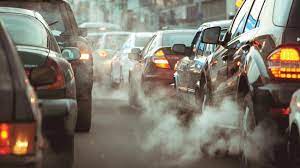
New Delhi, June 23 — For millions living in cities like Delhi, Mumbai, Beijing, Los Angeles, or even New York on a smoggy day, every breath can be a cocktail of soot, smoke, nitrogen dioxide, PM2.5, and exhaust fumes. If you’ve ever felt a tight chest, wheezy breath, or coughed after a traffic jam, you’re not alone. Urban air pollution is a global health crisis, and its effects are felt daily by city dwellers everywhere.
While escaping to the mountains may sound appealing, most people can’t simply relocate. Instead, experts recommend bolstering your lungs from within by adopting certain supplements and lifestyle changes.
Supplements for Lung Support
-
Vitamin C: More than just an immunity booster, vitamin C is a potent antioxidant that combats inflammation caused by pollution. It helps protect lung tissue and wards off respiratory infections. Combining it with vitamin E may offer even greater protection.
-
Omega-3 Fatty Acids: Found in fish oil and algae, omega-3s help reduce lung inflammation and calm irritated airways. They may also lower the risk of asthma flare-ups triggered by polluted air.
-
Magnesium: This mineral is crucial for muscle relaxation, including the muscles around the airways. Low magnesium levels are linked to wheezing and poor lung function, making supplementation helpful for those in urban environments4.
-
Quercetin: A natural plant compound found in apples and onions, quercetin acts as both an antioxidant and antihistamine. It can ease allergic reactions and support lung health, especially for those with chronic respiratory conditions.
-
Vitamin D: Essential for respiratory immunity, vitamin D deficiency is common among city dwellers who avoid sunlight due to smog. Low vitamin D is associated with higher rates of lung infections and reduced lung strength.
Lifestyle and Environmental Tips
Supplements are only part of the solution. Doctors emphasize the importance of lifestyle changes:
-
Stay Active, But Choose Wisely: Exercise regularly, but avoid outdoor workouts during high-pollution periods. Opt for green spaces or indoor alternatives when possible.
-
Indoor Air Quality: Use HEPA air purifiers to filter indoor air, and keep houseplants like peace lilies and snake plants, which naturally purify the environment.
-
Stay Hydrated: Drinking plenty of water helps thin mucus and keeps airways clear.
-
Steam Inhalation: On high-pollution days, try steam inhalation with eucalyptus oil to help break up mucus and ease breathing.
-
Mask Up: Wear an N95 mask when the air quality index spikes, especially during smog episodes.
-
Avoid Smoking and Secondhand Smoke: Smoking further damages already stressed lungs and should be avoided.
Urban Living Doesn’t Mean Doomed Lungs
Despite the challenges, your body is resilient. With the right support—through supplements, clean air practices, and healthy habits—your lungs can better cope with the stress of polluted air. Always consult a healthcare professional before starting any new supplement regimen, especially if you have underlying health conditions or are on medication.
Disclaimer:
The information provided in this article is for educational purposes only and is not intended to replace professional medical advice, diagnosis, or treatment. Always consult your doctor or a qualified healthcare provider before making any changes to your diet, supplement regimen, or lifestyle, particularly if you have existing health conditions or are taking medications. Individual results may vary. The author and publisher are not responsible for any adverse effects or consequences resulting from the use of the suggestions, preparations, or procedures described in this article.