 0
0
 0
0
Researchers have unveiled a pioneering technology capable of monitoring blood sodium levels non-invasively and in real time—even through the skin. This advancement, detailed in the journal Optica, could transform the management of conditions such as dehydration, kidney disease, and certain neurological and endocrine disorders, where accurate sodium measurement is crucial.
The new system combines optoacoustic detection with terahertz spectroscopy. Terahertz radiation, which lies between microwaves and mid-infrared on the electromagnetic spectrum, is particularly well-suited for biological applications: it is low-energy, non-harmful to tissues, and less prone to scattering than visible or near-infrared light. However, its use in medicine has been limited by two major challenges: detecting specific molecules in complex biological samples and penetrating thick tissue layers.
The research team, led by Zhen Tian of Tianjin University, overcame these obstacles by integrating optoacoustic detection. In this approach, terahertz waves are absorbed by sodium ions in the blood, causing them to vibrate and generate ultrasound waves. These sound waves are then detected by an ultrasonic transducer, allowing for the measurement of sodium concentrations without the need for invasive procedures.
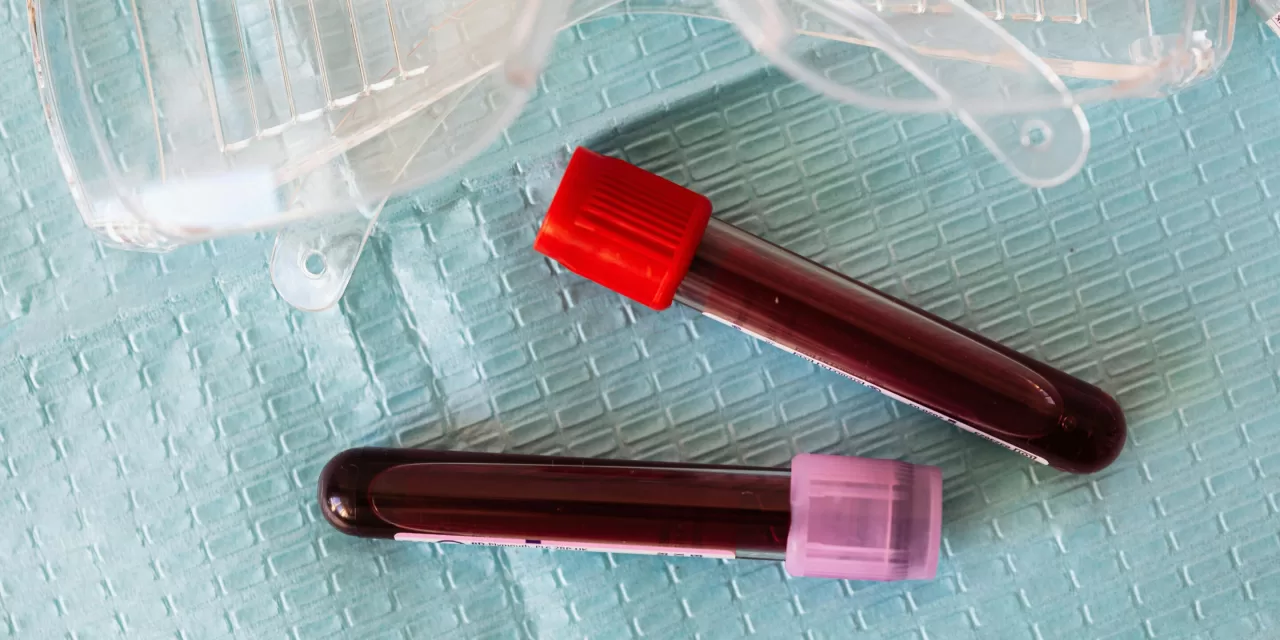
In animal studies, the system successfully tracked changes in blood sodium levels in live mice over extended periods, capturing data on the millisecond timescale. Preliminary tests with human volunteers also showed promise: the device could distinguish between high and low sodium levels in blood samples and non-invasively detect sodium in blood vessels beneath the skin.
The team is now working to adapt the system for routine clinical use. This includes identifying optimal detection sites on the human body—such as inside the mouth—that can tolerate rapid cooling to minimize background noise from water, or developing new signal processing techniques to eliminate the need for cooling altogether.
“Terahertz optoacoustic technology represents a groundbreaking advancement for biomedical applications by effectively overcoming the water absorption barrier that has historically limited these applications,” said Tian. Beyond sodium, the technology could potentially identify other biomolecules, including sugars, proteins, and enzymes, by recognizing their unique terahertz absorption signatures.
“With further development, this technology could be used to monitor sodium levels in patients without the need for blood draws. The real-time sodium measurements could be used to safely correct imbalances in critical patients while avoiding dangerous neurological complications that can occur when sodium levels rapidly change,” Tian stated.
Disclaimer: This article is based on preliminary research findings. The technology described is not yet approved for routine clinical use, and further studies, including large-scale human trials, are necessary to confirm its safety and effectiveness. The information provided should not be interpreted as medical advice.