 0
0
 0
0
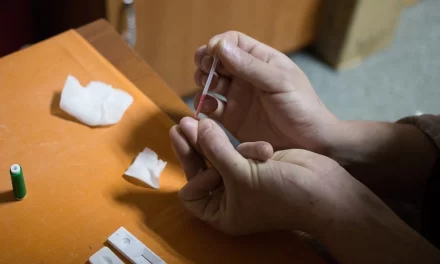
New Delhi, Apr 30 – Canadian researchers have unveiled a pioneering skin-based diagnostic test that could revolutionize the detection of progressive supranuclear palsy (PSP), a rare and debilitating neurodegenerative disorder. Developed by teams at the University Health Network (UHN) and the University of Toronto, the new assay identifies unique misfolded tau proteins in skin samples, offering a faster and more precise alternative to current diagnostic practices.
PSP, which impairs vital functions such as walking, balance, and swallowing, has long posed a diagnostic challenge due to its symptom overlap with other movement disorders like Parkinson’s disease. Traditionally, diagnosis relies heavily on clinical observation, often resulting in misdiagnosis and delayed treatment.
“This assay is crucial for accurately assigning patients to the appropriate clinical trials. However, its importance will amplify in the future as researchers develop targeted, precision treatments for PSP,” said Ivan Martinez-Valbuena, scientific associate at the Rossy Progressive Supranuclear Palsy Centre at UHN.
High Accuracy and Clinical Potential
The new test, detailed in the latest issue of JAMA Neurology, demonstrated 90% sensitivity and 90% specificity. Researchers found misfolded tau protein in the skin of most PSP patients, while it was rarely present in other neurodegenerative conditions and entirely absent in patients with Parkinson’s disease or healthy individuals.
“Our findings show that disease-associated tau protein can be detected in the skin of living PSP patients with high accuracy,” stated Dr. Gabor Kovacs, professor at the University of Toronto’s Temerty Faculty of Medicine.
Implications for Treatment and Research
The breakthrough is expected to streamline the selection of patients for clinical trials and, as precision therapies emerge, ensure that those most likely to benefit are accurately identified. Misdiagnosis has historically hampered research, with PSP patients sometimes mistakenly enrolled in Parkinson’s trials, potentially skewing results.
Martinez-Valbuena emphasized the importance of developing diagnostic tools alongside new treatments: “We need diagnostic tools to evolve alongside treatments so we can identify the patients most likely to benefit”.
Next Steps
The research team is now validating the skin test in larger, multicenter trials across North America and Europe, aiming to make the assay practical for widespread clinical use. Experts suggest that, in the future, the skin-based test could be integrated into a broader diagnostic panel, combining blood-based biomarkers and clinical information to further improve accuracy.
“This approach could give doctors the tools they need to make more precise diagnoses and guide patients toward the right clinical trials and treatments,” Martinez-Valbuena added.
Disclaimer
This article is based on recent research findings and statements from the University Health Network and the University of Toronto. The skin-based PSP diagnostic test is currently under further validation and is not yet available for routine clinical use. Individuals should consult healthcare professionals for diagnosis and treatment of neurodegenerative diseases.
Citations: