 0
0
 0
0
Researchers at Tezpur University in Assam, India, have discovered distinct metabolic signatures in blood that differentiate gallbladder cancer cases with and without gallstones. Published in the Journal of Proteome Research on January 6, 2026, this pilot study analyzed serum samples using untargeted metabolomics, identifying potential non-invasive biomarkers for one of India’s most aggressive cancers. The findings, led by Assistant Professor Pankaj Barah and research scholar Cinmoyee Baruah, address a critical gap in early detection where most patients present at advanced stages.
Study Design and Key Findings
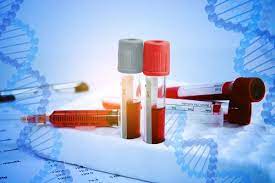
The pilot study compared blood samples from three groups: gallbladder cancer patients without gallstones, those with cancer and gallstones, and controls with gallstones only but no cancer. Advanced metabolomics techniques revealed 180 altered metabolites in gallstone-free cancer cases and 225 in gallstone-associated cases, including bile acids and amino acid derivatives linked to tumor progression. Distinct biomarker panels showed high diagnostic accuracy, with changes in creatinine emerging as a key differentiator between variants.
This first-of-its-kind research from North East India involved interdisciplinary collaboration with Assam Medical College and Hospital (Dibrugarh), Dr. B. Borooah Cancer Institute (Guwahati), Swagat Super-Speciality Hospital, University of Illinois (USA), and CSIR-Indian Institute of Toxicology Research (Lucknow). Lead researcher Pankaj Barah stated, “Our findings show that changes in creatinine chemical blood (metabolites) can clearly distinguish gallbladder cancer cases with and without gallstones. This raises the possibility of developing simple blood-based tests that could help in earlier detection.”
Gallbladder Cancer Burden in India
Gallbladder cancer (GBC) ranks as the third most common cancer in North East India, with disproportionately high incidence rates compared to other regions. Age-standardized rates reach 7-14 per 100,000 in northern and eastern India, versus under 1 per 100,000 in southern and western areas, making it the leading digestive cancer among North Indian women. In Assam’s Dibrugarh district, incidence rose from 5.96% in 2011 to 7.81% in 2016, with projections indicating further increases.
Globally, GBC remains rare but deadly, with five-year survival under 5% due to late diagnosis. In high-risk areas like the Gangetic belt and North East, factors such as gallstones (present in 80% of cases), female sex, obesity, and environmental exposures exacerbate the burden. Unlike many cancers, GBC progresses silently, often mimicking benign conditions until advanced.
Expert Perspectives
Pathologist Gayatri Gogoi from Assam Medical College highlighted the translational potential: “By linking tissue pathology with blood metabolomics, this research bridges the gap between laboratory discoveries and clinical diagnosis.” Gastrointestinal surgeon Subhash Khanna from Guwahati added, “The identification of blood-based metabolic markers provides a practical pathway towards early diagnosis and informed clinical decision-making.”
Dr. Mahesh Goel, Head of Surgical Oncology at Tata Memorial Hospital (not involved in the study), noted in related commentary on GBC biomarkers, “Metabolomics offers promise over traditional markers like CA 19-9 and CEA, which suffer from low specificity in early stages. These findings align with global trends toward multi-omics panels for better accuracy.” Current biomarkers like CA 19-9 show sensitivities around 80% but falter in distinguishing benign inflammation from malignancy.
Public Health Implications
These blood-based markers could enable routine screening in high-risk populations, such as women over 50 with gallstones in North East India, potentially shifting diagnosis from stage IV (limited surgery) to operable stages. Simple blood tests would reduce reliance on imaging like ultrasound, which often misses early wall thickening or polyps. For patients, this means proactive monitoring—those with gallstones might opt for earlier cholecystectomy if markers flag risk.
In India, where GBC claims thousands annually, scalable tests could lower mortality. High-risk groups include multiparous women, those with chronic infections like Helicobacter pylori, or arsenic-exposed communities. Public health campaigns could integrate these into programs like the National Cancer Grid.
Limitations and Future Directions
As a pilot, the study analyzed small cohorts, necessitating larger multi-center validations for clinical use. Metabolomics panels require standardization, and external factors like diet might influence metabolites. Researchers emphasize: “Larger studies are required before clinical application,” echoing challenges in biomarker translation where initial promise meets reproducibility hurdles.
Counterarguments include overlap with other biliary diseases, but the gallstone-specific signatures mitigate this. Ongoing trials in omics-based panels may combine these with genetics for superior performance.
References
-
Baruah, C., et al. (2026). Untargeted Serum Metabolomics Reveals Differential Signatures in Gallstone-Associated and Gallstone-Free Gallbladder Cancer Variants. Journal of Proteome Research. DOI: 10.1021/acs.jproteome.5c00403.pubmed.ncbi.nlm.nih
-
Economic Times Health. (2026, Jan 11). Tezpur University researchers find blood-based markers for gallbladder cancer detection.economictimes.indiatimes
Medical Disclaimer: This article is for informational purposes only and should not be considered medical advice. Always consult with qualified healthcare professionals before making any health-related decisions or changes to your treatment plan. The information presented here is based on current research and expert opinions, which may evolve as new evidence emerges.