 0
0
 0
0
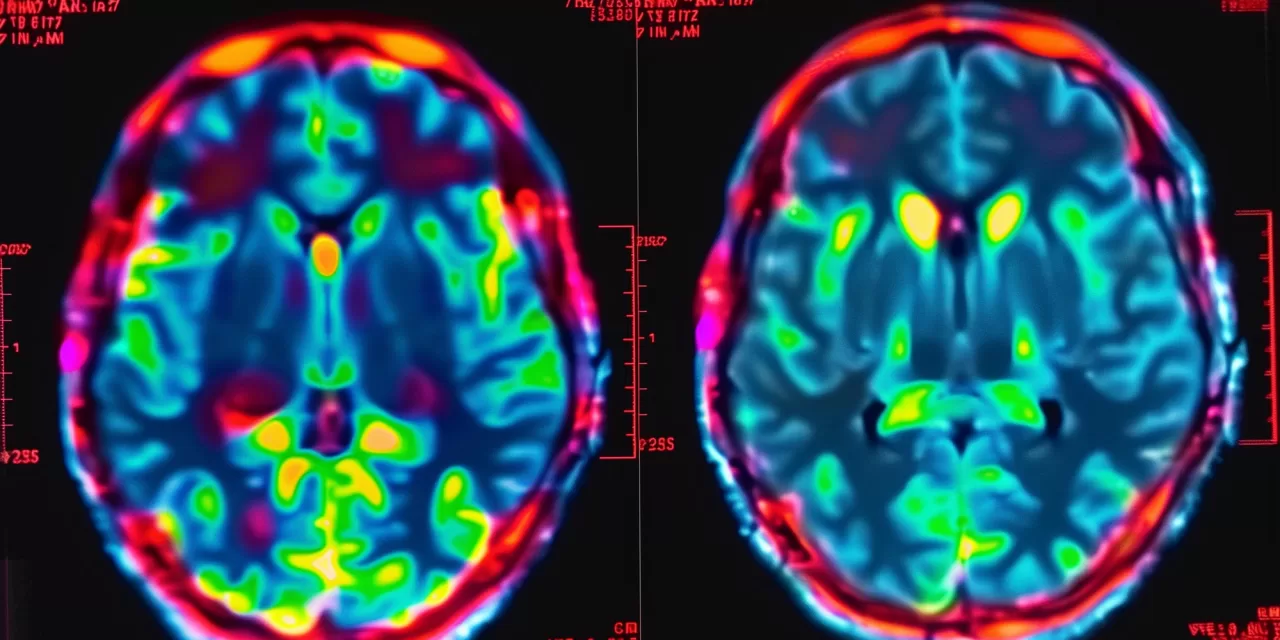
In a landmark achievement, scientists from the University of Cambridge, University College London (UCL), the Francis Crick Institute, and Polytechnique Montréal have, for the first time, directly visualized the molecular trigger believed to initiate Parkinson’s disease in human brain tissue. Published recently in the journal Nature Biomedical Engineering, this breakthrough was made possible by a pioneering imaging method called Advanced Sensing of Aggregates for Parkinson’s Disease (ASA-PD) that allows researchers to detect and analyse microscopic protein clusters known as alpha-synuclein oligomers—suspected as the earliest drivers of Parkinson’s but previously too small to see in actual human brain samples.
Parkinson’s disease is a progressive neurodegenerative disorder that causes motor symptoms such as tremors, stiffness, and slowed movement, affecting over 166,000 people in the UK alone and expected to affect 25 million globally by 2050. Although large protein aggregates called Lewy bodies have long been recognised as pathological hallmarks, these represent later-stage disease. The critical early oligomeric forms of alpha-synuclein have remained elusive until now, hindering early diagnosis and intervention efforts.
The innovative ASA-PD technique combines ultra-sensitive fluorescence microscopy with enhanced signal amplification and noise reduction, enabling visualization of millions of individual oligomers in post-mortem brain tissues. As Professor Steven Lee from Cambridge’s Yusuf Hamied Department of Chemistry, co-leader of the research, explains, “Lewy bodies tell you where the disease has been, not where it is right now. Observing Parkinson’s at its earliest stages opens new pathways to understanding and treating the disease.”
Key Findings and Expert Insights
The study analysed brain tissue samples from Parkinson’s patients and age-matched healthy controls, detecting alpha-synuclein oligomers in both groups. However, in Parkinson’s-affected brains, these oligomers were larger, brighter, and more abundant, strongly implicating them in disease development. Remarkably, the team also identified a previously unknown subclass of oligomers unique to Parkinson’s patients, potentially serving as early biomarkers detectable years before clinical symptoms appear.
Dr. Rebecca Andrews, who led much of the imaging work during her postdoctoral research at Cambridge, described the significance: “This is the first time we’ve been able to look at oligomers directly in human brain tissue at this scale; it’s like being able to see stars in broad daylight. It opens new doors for research and early diagnosis.”
Professor Lucien Weiss of Polytechnique Montréal, co-leader of the study, emphasized the medical implications: “Oligomers have been the needle in the haystack. Now that we know where those needles are, we can target specific cell types in particular brain regions. This whole-brain atlas of protein changes could revolutionize therapeutic strategies.”
Context and Broader Implications
Parkinson’s disease pathology is complex and multifactorial, and early intervention has been hampered by the lack of reliable biomarkers signaling the initial disease onset. Current treatments primarily manage symptoms without slowing disease progression. By revealing the molecular events occurring at the very start of Parkinson’s, ASA-PD sets the stage for diagnostic tools that detect disease before irreversible brain damage occurs.
Moreover, the technique’s potential extends beyond Parkinson’s. Researchers suggest ASA-PD could be adapted to study other neurodegenerative diseases characterized by toxic protein aggregations, such as Alzheimer’s and Huntington’s disease, bringing hope for breakthroughs across a spectrum of debilitating conditions.
Limitations and Balanced Perspectives
Despite the excitement, experts caution that translation from post-mortem studies to living patients poses challenges. The ability to detect and quantify oligomers in accessible tissues or fluids remains to be developed. There is also the complexity of Parkinson’s heterogeneity—different patients may have varying patterns of protein aggregation—and further studies are needed to validate the subclass of oligomers as definitive early biomarkers.
Katherine Fletcher, research communications lead at Parkinson’s UK, comments: “This important advance enhances our understanding of Parkinson’s pathology. However, clinical application will require further research, especially in early diagnostic technology development and patient studies.”
Practical Implications for the Public
For health-conscious readers and those at risk, this research highlights the ongoing progress toward earlier and more precise Parkinson’s diagnosis. While there remains no cure or definitive preventative strategy, this work reinvigorates hope for future therapies that could halt disease progression before debilitating symptoms arise.
Individuals concerned about Parkinson’s symptoms should continue consulting healthcare professionals and stay informed about emerging diagnostic tools. Maintaining a healthy lifestyle and early engagement with neurologic evaluation upon symptom onset remain key.
Medical Disclaimer: This article is for informational purposes only and should not be considered medical advice. Always consult with qualified healthcare professionals before making any health-related decisions or changes to your treatment plan. The information presented here is based on current research and expert opinions, which may evolve as new evidence emerges.
References:
- https://www.nature.com/articles/s41551-025-01496-4
- https://www.cam.ac.uk/research/news/parkinsons-trigger-directly-observed-in-human-brain-tissue-for-the-first-time