 0
0
 0
0
June 7, 2025 — In a groundbreaking development, scientists have unveiled a new gene therapy technique that could revolutionize the treatment of blood disorders, potentially eliminating the need for traditional bone marrow transplants. The innovative approach, detailed in a recent report, directly targets blood stem cells within the body, offering hope for patients with conditions such as sickle cell anemia, thalassemia, and certain immune deficiencies.
A Leap Forward in Blood Disorder Treatment
For decades, bone marrow transplants have been the standard treatment for severe blood diseases. However, the procedure is risky, requiring a suitable donor and carrying the threat of rejection and life-threatening complications. The new gene therapy sidesteps these challenges by delivering therapeutic genes directly to the patient’s own blood stem cells, effectively repairing genetic defects at their source.
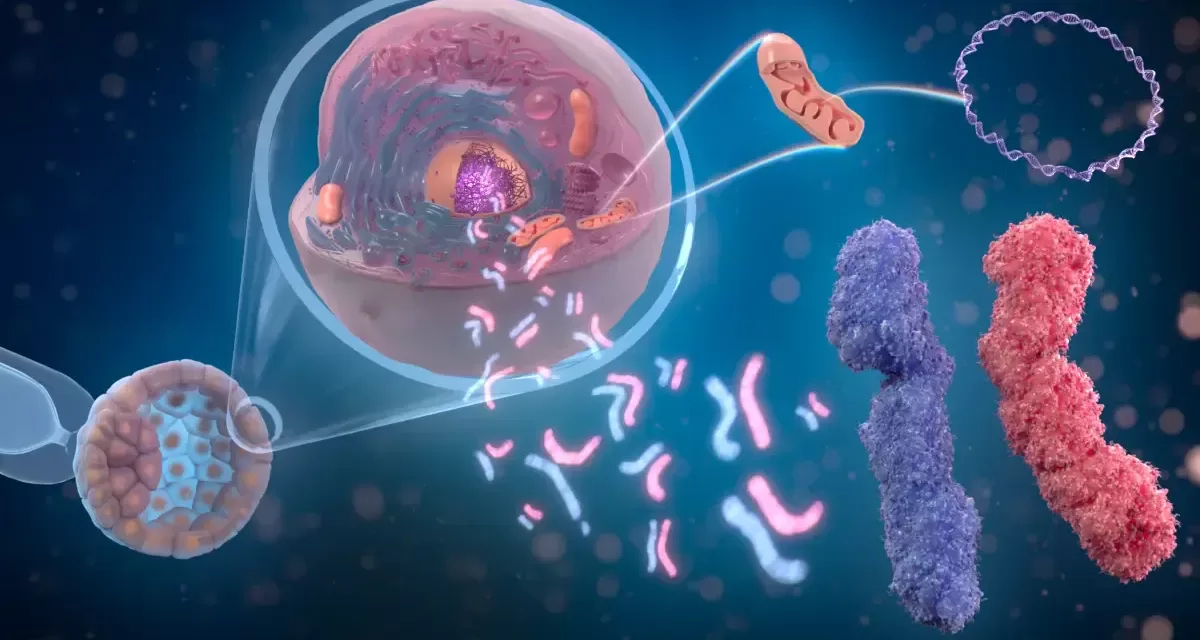
Researchers achieved this by developing a specialized delivery system—often using modified viruses—that can seek out and modify blood stem cells in situ. Early studies in animal models have shown promising results, with corrected blood cells functioning normally and no apparent adverse effects.
Potential Benefits and Future Prospects
If successful in human trials, this therapy could dramatically expand treatment access, especially for patients who struggle to find compatible donors. It also promises to reduce recovery times and lower the risks associated with conventional transplants.
Experts caution, however, that more research and clinical testing are needed before the therapy becomes widely available. Human trials are expected to begin in the coming years, with scientists optimistic about its potential to transform care for millions worldwide.
Disclaimer:
This article is based on preliminary research and early-stage studies as reported by SciTechDaily. The gene therapy described is not yet approved for general clinical use. Patients should consult healthcare professionals for advice on current treatment options.