 0
0
 0
0
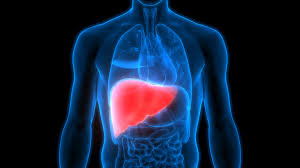
A major scientific breakthrough from Toho University has uncovered a previously unknown cellular communication network that drives the progression of liver fibrosis—a serious condition where the liver becomes stiff and scarred, often leading to cirrhosis or liver cancer. The findings, published in iScience, could open new avenues for targeted therapies for chronic liver diseases such as chronic hepatitis and metabolic dysfunction-associated steatohepatitis (MASH).
Led by Dr. Takao Seki and Dr. Hiroyasu Nakano, the research team focused on hepatic stellate cells, which normally store vitamin A but transform into myofibroblasts upon liver injury, producing collagen and contributing to fibrosis. The study revealed that activated hepatic stellate cells, stimulated by the growth factor FGF18, significantly increase production of osteopontin (OPN), a pro-fibrotic mediator. OPN then acts on neighboring quiescent stellate cells, inducing their activation and establishing a positive feedback loop that spreads fibrosis stepwise from cell to cell.
Importantly, OPN specifically targets quiescent stellate cells and not those already activated, highlighting a unique, self-amplifying mechanism. In mouse models, the team found that OPN signals through the integrin receptor, emphasizing the crucial role of molecular communication among stellate cells in driving fibrosis.
This discovery shifts the understanding of liver fibrosis from a process driven by a single molecule to a dynamic, coordinated response involving cell–cell signaling and environmental cues. The FGF18–OPN axis is now considered a promising therapeutic target, as FGF18 selectively acts on hepatic stellate cells, potentially allowing for more precise interventions with fewer side effects than conventional liver drugs.
The research was conducted in collaboration with Dr. Yuichi Tsuchiya and Dr. Minoru Tanaka, further strengthening its multidisciplinary approach.
Disclaimer:
This article is based on recent scientific research and is intended for informational purposes only. It is not a substitute for professional medical advice, diagnosis, or treatment. Always seek the advice of your physician or other qualified health provider with any questions you may have regarding a medical condition.