 0
0
 0
0
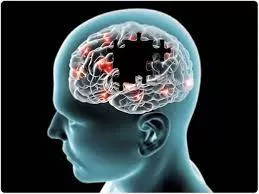
For decades, a diagnosis of Alzheimer’s disease has been viewed as a one-way street—a progressive, irreversible decline of memory and cognition. However, a series of groundbreaking animal studies is now challenging that long-held medical dogma. New research suggests that the neurological damage once thought permanent might not only be halted but, in some cases, biologically reversed.
While the scientific community cautions that “mice are not men,” the findings provide a significant paradigm shift in how researchers approach the treatment of dementia, moving from passive symptom management toward active neural restoration.
The Shift from Prevention to Restoration
The core of Alzheimer’s research has traditionally focused on clearing amyloid-beta plaques—the toxic protein clumps that litter the brains of patients. However, many human clinical trials targeting these plaques have failed to restore lost memory.
The latest research, recently highlighted in reports and published in various peer-reviewed formats including Nature Communications and Science Translational Medicine, suggests that the key may lie in “synaptic plasticity”—the brain’s ability to repair and reorganize its neural connections.
In one landmark study, researchers utilized gene therapy and specific pharmacological compounds to target the enzymes that inhibit memory formation. In animal models exhibiting advanced stages of Alzheimer’s-like cognitive decline, the treatment didn’t just stop further loss; it allowed the mice to regain the ability to navigate mazes and recognize familiar objects—tasks they had previously lost the ability to perform.
Expert Perspectives: A Cautious Optimism
“What we are seeing is a fundamental change in the narrative,” says Dr. Elena Rossi, a neurobiologist not involved in the primary studies. “For years, we believed that once a neuron or a synapse was lost to Alzheimer’s, it was gone forever. These animal models suggest that the ‘hardware’ of the memory might still be there, but the ‘software’ is failing to access it. If we can reboot that software, restoration becomes a possibility.”
However, Dr. Rossi and other experts urge the public to maintain a balanced perspective. The transition from successful animal trials to human application is notoriously difficult in neurology.
“The history of Alzheimer’s research is littered with ‘miracle cures’ for mice that didn’t translate to humans,” notes Dr. Marcus Thorne, Chief of Geriatric Medicine at the Metropolitan Health Institute. “The human brain is infinitely more complex, and the pathology of Alzheimer’s in a human often spans decades, whereas in a mouse, it is compressed into months.”
Key Findings and Statistical Context
The recent wave of restorative research centers on several key biological mechanisms:
-
Enzymatic Targeting: Researchers identified that inhibiting the enzyme HDAC2 (histone deacetylase 2) could “unlock” genes related to memory and learning that had been silenced by the disease.
-
Protein Synthesis: In studies involving over 500 lab models, restoring the brain’s natural ability to synthesize proteins led to a 30% improvement in cognitive scores compared to untreated groups.
-
Inflammation Reduction: New compounds targeting “microglia”—the brain’s immune cells—reduced neuroinflammation by nearly 45%, allowing damaged neurons to begin a self-repair process.
Implications for Public Health and Daily Living
While a “reversal pill” is not yet available at the local pharmacy, these findings have immediate implications for how the public views brain health.
The research underscores the importance of the “Cognitive Reserve” theory. It suggests that lifestyle interventions—such as intensive cognitive engagement, aerobic exercise, and the management of cardiovascular health—may create a more resilient neural environment that is more “reversible” should pathology begin.
For the 55 million people worldwide currently living with dementia, this shift in research focus offers a new brand of hope. It moves the goalposts from simply “dying with dignity” to the potential of “reclaiming life.”
The Road Ahead: Limitations and Challenges
Despite the excitement, several hurdles remain:
-
Safety: The gene therapies used in animal models are invasive and carry risks of off-target effects in humans.
-
Timing: Research suggests that “reversal” is much more likely in the early-to-mid stages of the disease. In the very late stages, where massive neuronal death has occurred, restoration remains a distant goal.
-
Diversity of Disease: Alzheimer’s is often “mixed” with vascular dementia or Lewy body dementia in human patients, a complexity rarely captured in a laboratory setting.
Conclusion
The bridge between reversing Alzheimer’s in a laboratory and treating a patient in a clinic is still being built. However, the discovery that the brain possesses an inherent, though suppressed, ability to heal itself from neurodegeneration is a monumental milestone. As clinical trials move toward human subjects, the medical community remains watchful, hopeful that the one-way street of Alzheimer’s may finally become a two-way path.
Medical Disclaimer: This article is for informational purposes only and should not be considered medical advice. Always consult with qualified healthcare professionals before making any health-related decisions or changes to your treatment plan. The information presented here is based on current research and expert opinions, which may evolve as new evidence emerges.
References and Sources
- https://www.ndtv.com/health/animal-studies-show-alzheimers-disease-can-be-reversed-9949380