 0
0
 0
0
Published: December 25, 2025
SACRAMENTO, CA — In a milestone development for the treatment of rare autoimmune conditions, researchers have announced that a novel monoclonal antibody is both safe and effective at slowing the progression of Primary Sclerosing Cholangitis (PSC), a chronic liver disease that has long lacked targeted therapeutic options. The multicenter study, led by the University of California-Davis (UC Davis) Health, found that the experimental drug nebokitug significantly reduced liver inflammation and scarring in patients, potentially offering an alternative to the current last resort: liver transplantation.
The findings, published this week in the American Journal of Gastroenterology, represent a major shift in the management of PSC, a condition that affects roughly 1 in 10,000 people globally. For decades, clinicians have struggled to find treatments that address the underlying pathology of the disease rather than merely managing its grueling symptoms.
Targeting the “Scars” of the Liver
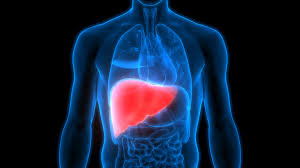
Primary Sclerosing Cholangitis is characterized by the chronic inflammation and subsequent scarring (fibrosis) of the bile ducts. These ducts are essential for transporting bile—a fluid that aids digestion—from the liver to the small intestine. When they become blocked by scar tissue, bile backs up, causing toxic damage to liver cells and eventually leading to cirrhosis or liver failure.
The new treatment, nebokitug, is a laboratory-engineered monoclonal antibody designed to block a specific protein called CCL24. In patients with PSC, CCL24 levels are abnormally high, acting as a “chemical recruiter” that draws inflammatory cells to the bile ducts.
“In the trial, nebokitug demonstrated that it has the potential to change the lives of patients with PSC by reducing fibrosis and inflammation,” said Dr. Christopher Bowlus, Chief of Gastroenterology and Hepatology at UC Davis Health and lead author of the study. “These results are good news for patients who are in desperate need of an effective, FDA-approved therapy.”
Inside the Study: Safety and Efficacy
The Phase 2 clinical trial enrolled 76 patients across five countries. Participants were randomly assigned to receive either a placebo or nebokitug via intravenous (IV) infusion every three weeks for a period of 15 weeks.
Key findings from the trial include:
-
Safety Profile: The drug was well-tolerated with no serious adverse events attributed to the treatment, meeting the study’s primary endpoint.
-
Reduction in Fibrosis: Patients, particularly those with more advanced liver scarring at the start of the trial, showed measurable improvements in liver stiffness—a key indicator of fibrosis.
-
Biomarker Improvement: Researchers noted a decrease in specific markers of inflammation, suggesting the antibody was successfully neutralizing the CCL24 protein.
The Patient Perspective: Relentless Symptoms
For those living with PSC, the disease is often defined by “intractable pruritus”—a medical term for itching so severe it can lead to sleep deprivation, skin infections from scratching, and profound psychological distress. Many patients also suffer from concurrent inflammatory bowel disease (IBD), complicating their nutritional needs and quality of life.
“The psychological burden of having a disease with no known cure cannot be overstated,” says Dr. Susan Gilmour, a pediatric hepatologist not involved in the UC Davis study. “While this research focused on adults, the mechanism of reducing fibrosis is universal. If we can stop the scarring early, we can theoretically delay or even eliminate the need for a transplant.”
Currently, liver transplantation is the only definitive treatment for advanced PSC, but the procedure carries significant risks, and donor organs remain in critically short supply. Furthermore, PSC can sometimes recur even in the new liver.
Challenges and the Road to Approval
While the results are promising, medical experts urge cautious optimism. As a Phase 2 trial, the study was relatively small and conducted over a short duration (15 weeks).
“The primary goal here was safety, which has been established,” notes Dr. Roberta Smith, a rare disease advocate. “The next hurdle is a Phase 3 trial to prove that these biological changes—like reduced liver stiffness—actually translate into longer lives and fewer transplants for a larger, more diverse group of patients.”
Additionally, because nebokitug is a monoclonal antibody administered via IV, the cost of treatment and the logistics of regular infusions may pose barriers to some patients if the drug eventually reaches the market.
What This Means for Readers
For patients and families currently navigating a PSC diagnosis, this study serves as a beacon of progress. While nebokitug is not yet available for general prescription, the success of this trial paves the way for a pivotal Phase 3 study.
Patients interested in these developments are encouraged to:
-
Speak with a Specialist: Consult a hepatologist about current clinical trial opportunities.
-
Monitor Liver Health: Continue regular monitoring of alkaline phosphatase (ALP) and bilirubin levels, which remain the standard for tracking disease activity.
-
Stay Informed: Follow updates from organizations like the American Association for the Study of Liver Diseases (AASLD) or the Global Alagille Alliance, as research in rare cholestatic diseases is accelerating rapidly.
“We are finally moving from ‘managing’ this disease to ‘targeting’ it,” Dr. Bowlus concluded. “That is a massive leap forward for the liver disease community.”
Medical Disclaimer: This article is for informational purposes only and should not be considered medical advice. Always consult with qualified healthcare professionals before making any health-related decisions or changes to your treatment plan. The information presented here is based on current research and expert opinions, which may evolve as new evidence emerges.
References
-
Additional Material: Ten News Network (2025). “New monoclonal antibody safe and effective for rare liver disease.” Accessed Dec 24, 2025.