 0
0
 0
0
In a significant leap forward for precision medicine, researchers at the Massachusetts Institute of Technology (MIT) and Stanford University have unveiled a modular immunotherapy strategy that could potentially treat a vast array of cancers by stripping away the chemical “shields” tumors use to hide from the immune system.
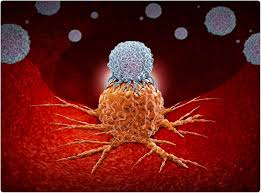
The study, published recently in Nature Biomedical Engineering, introduces a new class of therapeutic molecules called AbLecs. These engineered proteins are designed to target specific sugars on the surface of cancer cells—glycans—that act as a biological “brake,” preventing immune cells from launching an effective attack.
Releasing the Brakes: Beyond Conventional Checkpoints
For the last decade, cancer treatment has been revolutionized by “checkpoint inhibitors.” Drugs like pembrolizumab (Keytruda) work by blocking proteins such as PD-1 or PD-L1, which act as off-switches for T cells. However, these treatments only work for a subset of patients and specific cancer types.
“We created a new kind of protein therapeutic that can block glycan-based immune checkpoints and boost anti-cancer immune responses,” says Jessica Stark, PhD, the Underwood-Prescott Career Development Professor at MIT and lead author of the study. “Because glycans are known to restrain the immune response to cancer in multiple tumor types, we suspect our molecules could offer new and potentially more effective treatment options for many cancer patients1.”
While traditional immunotherapies focus on protein-to-protein interactions, the MIT-Stanford team turned their attention to glycans—complex sugar chains that coat every cell. Cancer cells are notorious for over-expressing a specific sugar called sialic acid. When these sialic acids bind to receptors called Siglecs on immune cells (such as macrophages and Natural Killer cells), they effectively tell the immune system to “stand down.”
The Engineering Feat: What are AbLecs?
The challenge in targeting these sugars has always been their “low affinity,” meaning they don’t stick to drugs very well. To solve this, the researchers engineered AbLecs (Antibody-Lectins). These are hybrid molecules that combine:
-
A Tumor-Targeting Antibody: To navigate directly to the cancer cell.
-
A Lectin (Sugar-binding protein): To latch onto the sialic acid and block it from silencing the immune system.
In laboratory tests, the researchers modified trastuzumab (Herceptin), a well-known drug for HER2-positive breast and stomach cancers. By replacing one “arm” of the antibody with a lectin (Siglec-7 or Siglec-9), they created a molecule that not only identifies the cancer but actively prevents it from “braking” the surrounding immune cells.
The results were striking: the AbLecs dramatically increased the ability of macrophages to engulf and kill cancer cells. Furthermore, because the system is “modular,” researchers demonstrated they could swap out the antibody to target different cancers, such as using rituximab for lymphoma or cetuximab for colorectal cancer.
Expert Perspectives
Outside experts are cautiously optimistic about the “plug-and-play” nature of this technology.
“The ability to target the glycan-Siglec axis opens a door that has been largely closed to immunotherapy,” says Dr. Elena Vasquez, an oncology researcher not involved in the study. “Traditional checkpoints are mostly about T cells. This approach recruits the ‘innate’ immune system—macrophages and NK cells—which are often the first line of defense but are frequently paralyzed within the tumor microenvironment.”
However, experts also note that moving from a laboratory setting to human clinical trials involves hurdles. “The human glycome is incredibly complex,” notes Dr. Vasquez. “Ensuring these AbLecs don’t interfere with healthy cells that also carry sugar coatings will be the primary safety focus moving forward.”
Statistical Context and Scope
The potential impact is vast. According to the American Cancer Society, over 1.9 million new cancer cases are diagnosed annually in the U.S. alone. While checkpoint inhibitors have been a godsend for melanoma and lung cancer, many “cold” tumors (those that don’t trigger a strong immune response) remain resistant.
In the MIT study, the AbLec strategy was shown to be effective across various cell lines, including breast, ovarian, and lung cancers. By targeting a mechanism (glycan signaling) that is nearly universal in tumor biology, this strategy sidesteps the need for highly individualized genetic mutations, which currently limit therapies like CAR-T to specific blood cancers.
Public Health Implications
If successful in human trials, AbLecs could represent a “universal” approach to immunotherapy. Because the sugar-shield mechanism is a common trait among many different malignancies, a single modular platform could theoretically be adapted for dozens of different cancer types.
For patients, this could eventually mean:
-
Wider Eligibility: Patients who do not respond to PD-1/PD-L1 inhibitors might find success with glycan-targeting.
-
Combination Therapies: AbLecs could be used alongside traditional chemotherapy or existing immunotherapies to create a multi-front assault on tumors.
Limitations and Next Steps
Despite the promise, the research is currently in the pre-clinical stage. The study relied on animal models and human cell cultures. Human biology is significantly more complex, and researchers must determine the optimal dosage and potential side effects, such as “cytokine release syndrome” or off-target effects on healthy tissues.
The research team is now working on refining the lectin components to increase their binding strength and testing the platform against more aggressive, metastatic models.
Medical Disclaimer: This article is for informational purposes only and should not be considered medical advice. Always consult with qualified healthcare professionals before making any health-related decisions or changes to your treatment plan. The information presented here is based on current research and expert opinions, which may evolve as new evidence emerges.
References
Primary Study:
- https://scitechdaily.com/new-immunotherapy-strategy-could-treat-many-types-of-cancer/